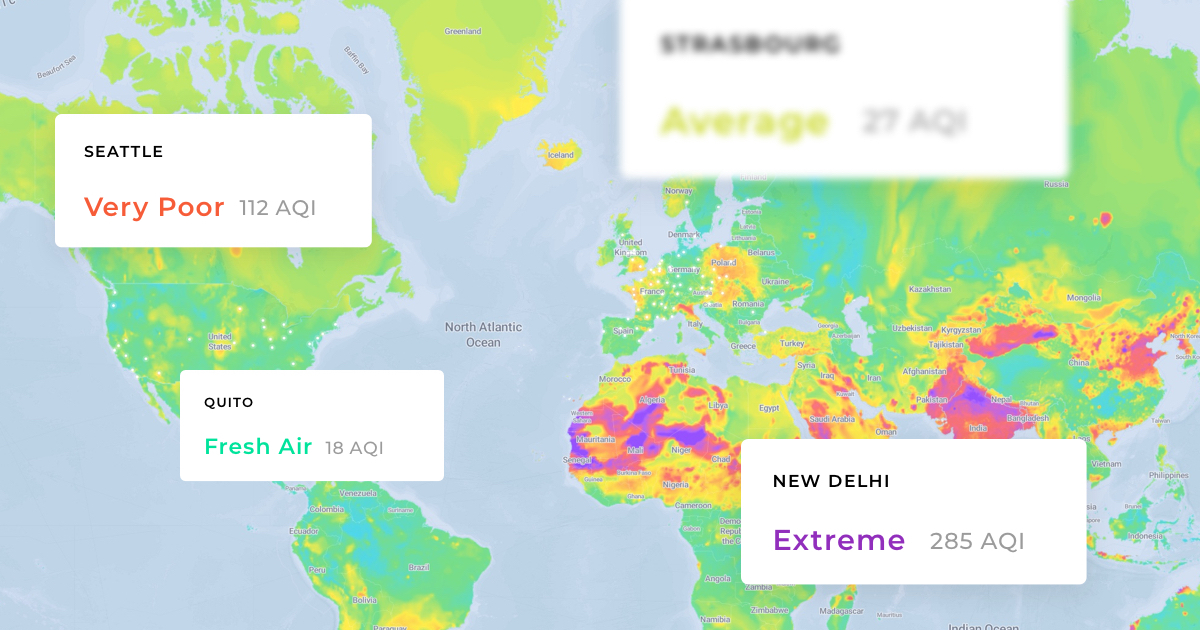
You can’t see the mountains today. That’s the first thing you notice when Kathmandu’s air turns into a thick, grey soup. On Thursday, April 23, 2026, the city didn’t just look gloomy—it became a health hazard. The Swiss air quality monitor IQAir ranked Kathmandu as the second most polluted major city on the planet, trailing only behind Lahore, Pakistan.
The numbers are terrifying. The Air Quality Index (AQI) hit 247 by mid-morning. To put that in perspective, anything over 200 is "very unhealthy." It’s the kind of air that makes your eyes sting the moment you step outside and leaves a metallic tang in the back of your throat. While we often blame the lack of rain, the truth is far messier and more systemic. For a different look, read: this related article.
The Valley of Smog
Kathmandu is a natural bowl. This geography is a curse during the dry season. Cool air sinks into the valley and gets trapped by a layer of warmer air above—a phenomenon called thermal inversion. It basically acts like a lid on a pot, keeping every bit of exhaust, dust, and smoke exactly where we breathe it.
But nature isn't the only culprit here. We’re doing this to ourselves. Further reporting on this trend has been provided by The Washington Post.
- Forest Fires: This is the peak of the wildfire season. Nepal’s forests are bone-dry, and the smoke from hundreds of fires across the country drifts straight into the valley.
- Agricultural Burning: In the surrounding regions and the Terai, farmers are burning crop residue to prep for the next season. It's cheap for them, but expensive for our lungs.
- Vehicular Emissions: We’ve seen a surge in Electric Vehicles (EVs), which is great, but the streets are still clogged with "super-emitters"—old, poorly maintained trucks and buses that belch black carbon.
- Unregulated Construction: From the runway expansion at Tribhuvan International Airport to haphazard road works, the city is a permanent construction site. Dust isn't just an annoyance; it’s PM10 and PM2.5 particles entering your bloodstream.
What This Does to Your Body
A 2025 World Bank report dropped a truth bomb that many chose to ignore: polluted air cuts the life expectancy of the average Nepali by 3.4 years. Think about that. We aren't just losing "quality of life"; we're losing literal years of our existence.
Breathing this air is roughly equivalent to smoking nearly two cigarettes a day. The PM2.5 particles—microscopic specks of soot and dust—are small enough to bypass your nose and throat. They go deep into your lungs and cross into your blood. This triggers everything from immediate asthma attacks to long-term risks like strokes, heart disease, and even cognitive impairment in children.
If you have a persistent cough right now, it isn't "just a cold." It’s your body reacting to an environment that has become toxic.
The Governance Gap
The irony is that we have a "National Air Quality Management Plan." We have Euro-IV standards. We have monitors in 40 schools across the valley. But data without action is just a spreadsheet.
Experts like Dr. Maheswar Rupakheti have been shouting for years that transport accounts for about 40% of the PM2.5 emissions in the valley. Yet, we still see "smoke-testing" stations that are more about collecting fees than actually getting dirty vehicles off the road. The current government is facing a massive test. People are tired of hearing that it "hasn't rained enough." Rain shouldn't be our only waste management strategy.
How to Survive the 247 AQI
Don't wait for a government announcement to protect yourself. If you’re in Kathmandu right now, you need to be proactive.
- Check the Live Index: Don't trust the morning sun. Use the IQAir or AQI.in apps to see real-time data for your specific neighborhood (places like Ratna Park and Maharajgunj are often hotspots).
- Mask Up Properly: Cloth masks do nothing for PM2.5. You need an N95 or K95. If it doesn't have a tight seal around your face, you're still breathing the grit.
- Purify Your Indoor Space: If you can afford an air purifier, get one. If not, keep windows closed during peak traffic hours (8 AM - 11 AM and 5 PM - 8 PM) when the "lid" on the valley is tightest.
- Stop the Burning: If you see neighbors burning trash or plastic, speak up. Open waste burning is a massive contributor to the local toxicity.
The "very unhealthy" tag isn't a suggestion—it's a warning. Until the valley sees significant rainfall or the government gets serious about enforcing emission bans on old diesel engines, the mountains will stay hidden, and our health will continue to pay the price. Stay indoors if you don't need to be out. Your lungs don't have a reset button.