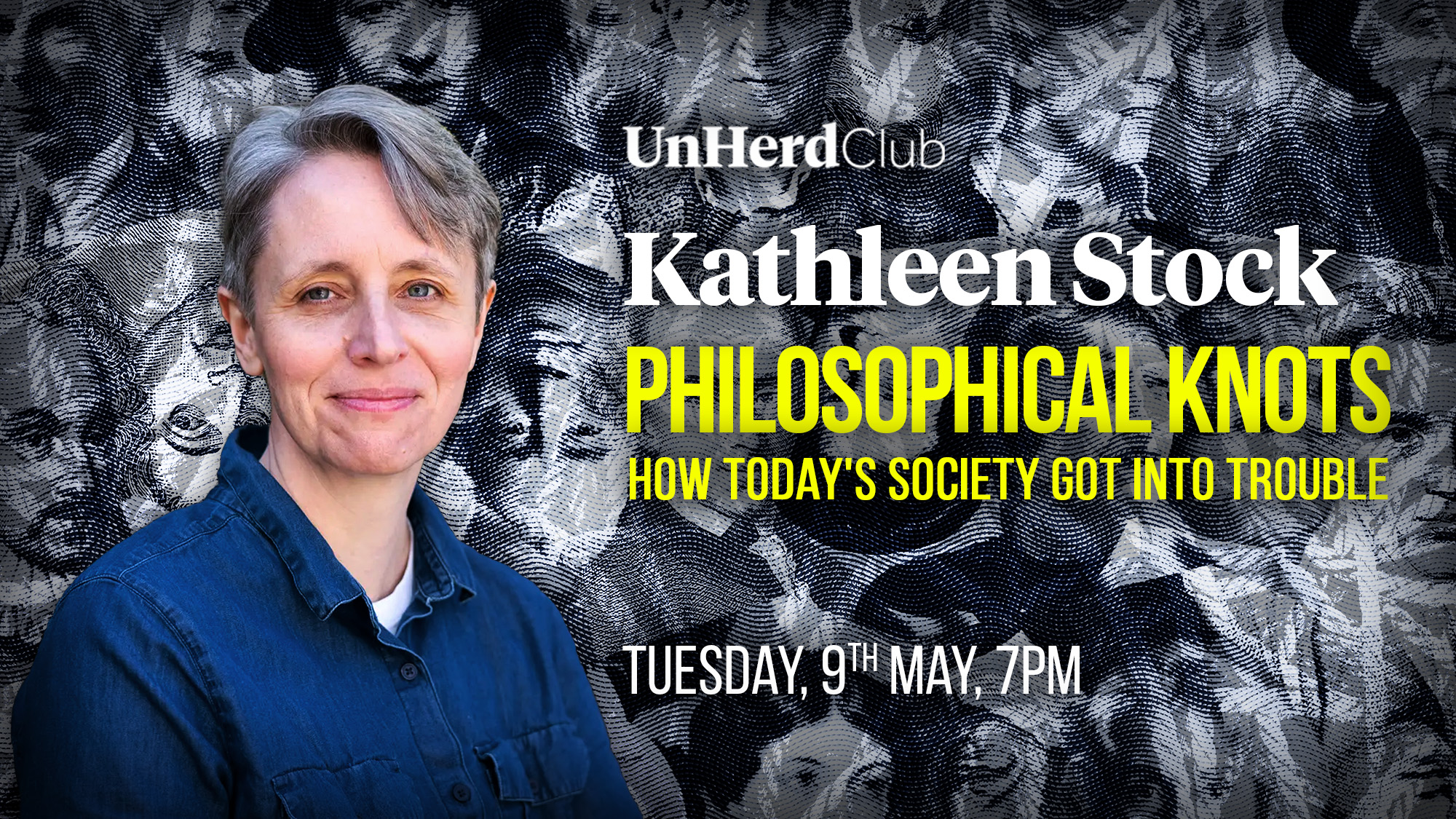
Kathleen Stock wants you to believe that wanting control over your own death is a philosophical error. In her book Do Not Go Gentle, she attempts to dismantle the case for assisted dying by suggesting that our desire for autonomy is basically a trick of neoliberalism. She’s wrong. While Stock is a sharp thinker on many topics, her foray into the ethics of end-of-life care misses the messy, agonizing reality of the hospital ward. She swaps real human suffering for abstract intellectual puzzles. If you’ve ever sat by the bed of someone wasting away from motor neurone disease or terminal cancer, you know that this isn't an academic exercise. It’s about the most basic right a human can claim.
The current debate in the UK and elsewhere isn't just about "choice" as a consumer product. It’s about mercy. Stock argues that by legalizing assisted dying, we’re changing the value of human life itself. She worries that the "option" to die will quickly turn into an "obligation" to die. It’s a common fear. But it’s a fear that ignores the evidence from places like Oregon or Canada, where assisted dying has been legal for years. We need to look at what's actually happening, not just what a philosopher thinks might happen in a hypothetical world.
The problem with the dignity argument
Stock spends a lot of time poking holes in the idea of "dignity." She thinks the term is too vague to mean anything. To her, dignity is a social construct, something we project onto others. If you lose your faculties, she argues, you haven't lost your inherent worth. That sounds nice on paper. It's a lovely sentiment for a lecture hall. But it feels incredibly dismissive to someone who is literally losing their mind or their ability to breathe.
Dignity isn't just about how others see us. It’s about how we inhabit our own bodies. For many, the prospect of "total dependence"—a state Stock suggests we should just accept as a natural part of life—is a living nightmare. It isn’t "ableist" to want to avoid a slow, painful decline. It’s human. Stock’s argument fails because she tries to tell people that their subjective experience of suffering isn't valid if it doesn't fit her objective definition of human value.
Why autonomy isn't a dirty word
One of the weirdest parts of Do Not Go Gentle is the way Stock treats autonomy. She frames it as a symptom of a selfish, individualistic culture. She thinks we’re too obsessed with being the "authors" of our own stories. According to her, we should accept that we're part of a community and that our deaths affect others.
Nobody is denying that death affects others. But the idea that the community has a greater claim on your body than you do is a dangerous path to walk. If I can't decide how my life ends, do I really own my life at all? Stock's critique of "liberal individualism" feels like a reach. Most people asking for assisted dying aren't trying to make a grand philosophical statement about their "brand." They’re trying to avoid choking on their own fluids.
The slippery slope that isn't sliding
The "slippery slope" is the favorite tool of the anti-assisted dying crowd. Stock uses it effectively. She points to Canada’s MAID (Medical Assistance in Dying) program, which has expanded since its inception. She sees this as proof that once you open the door, you can’t close it.
We have to be honest here. Canada has had some high-profile, troubling cases. There are reports of people seeking assisted death because they can’t find affordable housing or proper disability support. That is a failure of the Canadian state. It’s a tragedy. But it’s not an argument against the principle of assisted dying. It’s an argument for better social safety nets. Using the failures of a specific healthcare system to deny a terminal cancer patient a peaceful exit is a logical leap that doesn't hold up.
Data from Oregon, which has had the Death with Dignity Act since 1997, shows a different story. The numbers remain small. The vast majority of people who use the law are in hospice. They are dying. They just want to choose the Tuesday instead of the Friday, and they want to do it without the "death rattle." Stock largely ignores the Oregon model because it doesn't fit her narrative of inevitable societal collapse.
The palliative care myth
You’ll often hear that we don’t need assisted dying because palliative care is so good now. Stock leans into this. She suggests that if we just funded hospices better, the "need" for assisted dying would vanish. This is a common misconception.
Even with the best palliative care in the world, some deaths are horrific. Bone cancer can cause pain that no amount of morphine can fully touch without putting the patient into a permanent coma anyway. Some people don't want to be "terminalized" and kept in a drug-induced stupor for weeks while their organs slowly fail. They want to say their goodbyes while they can still speak. Palliative care and assisted dying aren't enemies. They’re two parts of the same spectrum of compassionate care.
Stock's narrow view of the "good death"
Stock seems to have a very specific idea of how we should die. She emphasizes the importance of the "uncontrolled" nature of life. She thinks there's something valuable in the vulnerability of the dying process. It's almost a religious argument stripped of the theology.
But why is "uncontrolled" better? Why is suffering through the final stages of a terminal illness more "authentic" than choosing a peaceful end? Stock never really answers this. she just asserts it. For many, a "good death" is one where they are surrounded by family, conscious, and not in agony. If medical science can provide that, why should a philosopher be allowed to say it's "flawed"?
The legal reality vs the philosophical ideal
The law is a blunt instrument. It can't capture every nuance of a philosophical debate. Stock is right that writing a law for assisted dying is incredibly difficult. You need safeguards. You need to ensure no one is being pressured. You need to protect the vulnerable.
But keeping the status quo is also a choice with consequences. Right now, the law in the UK is a mess. People with money go to Dignitas in Switzerland. People without money are forced to use violent methods at home or suffer to the bitter end. Doctors often practice "slow euthanasia" anyway by ramping up morphine doses, but it’s done in a legal gray area that lacks transparency.
Legalizing assisted dying actually brings the process into the light. It allows for regulation, reporting, and strict criteria. It's more "robust"—to use a word I'm not supposed to use, so let's say "sturdy"—than the current "wink and a nod" system.
Practical steps for the debate
If you're following this debate, don't just take Stock's word for it. Look at the British Medical Association's shift to a position of neutrality. Read the reports from the Lancet on end-of-life care.
- Check the data. Don't rely on anecdotes about Canada. Look at the long-term statistics from Oregon and Washington State. Look at the percentage of people who get the prescription but never actually use it (it’s about a third). Just having the option provides immense psychological relief.
- Talk to doctors. Ask GPs and oncologists about their experiences with terminal patients. Many who were once opposed to assisted dying changed their minds after seeing enough "bad deaths."
- Separate disability from terminal illness. The biggest concern is often from disability rights groups. Their fears are valid. Any law must be strictly limited to those with a terminal prognosis, usually six months or less. This isn't about "cleaning up" society; it's about terminal care.
Stock’s book is a useful challenge, but it’s ultimately a cold one. She prioritizes a theoretical "human dignity" over the actual, breathing humans who are suffering. We can do better than that. We can have a society that values life and also respects the individual's right to leave it when the pain becomes too much to bear.
Stop treating this like a logic puzzle. It's a matter of the heart and the body. If you want to make a difference, support organizations like Dignity in Dying or the My Death My Decision campaign. Read the proposed legislation yourself. Don't let the philosophers tell you that your desire for a peaceful end is a mistake.