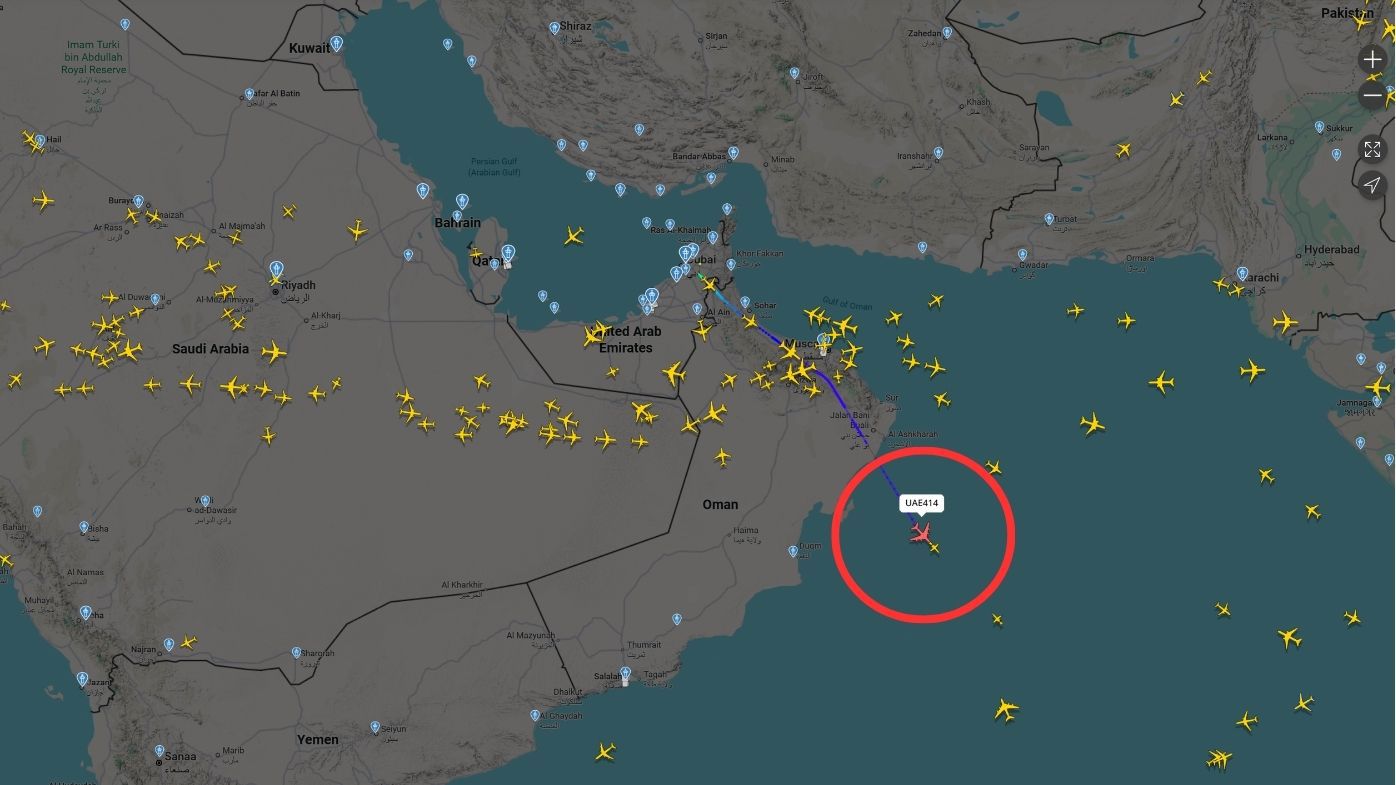
The Middle East isn't just "tense" anymore. It's in the middle of a full-scale reconfiguration. On February 28, 2026, the long-simmering shadow war between the U.S., Israel, and Iran finally boiled over. After years of proxy skirmishes and nuclear brinkmanship, Operation Epic Fury saw joint U.S. and Israeli forces strike deep into the heart of Iran. They didn't just hit missile silos; they decapitated the regime by killing Supreme Leader Ali Khamenei.
If you're looking at a map today, forget the old borders. Look at the strike zones. Iran has retaliated with a ferocity that has turned the entire region—from the Mediterranean to the Arabian Sea—into a live combat theater. This isn't a localized conflict. It's a regional war with global economic consequences that hit your wallet every time you fuel up or order something from overseas.
The New Front Lines in Iran
The internal map of Iran is currently a patchwork of smoke and wreckage. U.S. and Israeli strikes focused on four main pillars: nuclear sites, drone factories, missile bases, and command centers.
- Nuclear Infrastructure: Sites in Fordow and Natanz have been heavily targeted. The goal was simple: reset the nuclear clock to zero.
- The Drone Hubs: Since Iranian drones became a staple of modern warfare, the U.S. prioritized wiping out facilities in Kermanshah and Isfahan.
- The Command Centers: The strike on the Supreme Leader’s compound in Tehran changed everything. It signaled that no one is off-limits.
Iran hasn't stayed quiet. They’ve launched hundreds of ballistic missiles, including some equipped with cluster munitions, at Israeli cities and U.S. assets. Even though the "head" of the snake was targeted, the IRGC (Islamic Revolutionary Guard Corps) is still very much alive and swinging. They're operating from mobile launchers hidden in the Zagros Mountains, making them incredibly hard to pin down on a static map.
The Axis of Resistance Wakes Up
While Iran takes direct hits, its proxies are the ones widening the map. This is where the conflict gets messy for everyone else.
Lebanon and the Northern Front
Hezbollah stayed out of the fight for over a year. That ended on March 2. They’ve launched massive rocket barrages into northern Israel, targeting Haifa and the Galilee. In response, the IDF (Israel Defense Forces) has pushed ground troops into southern Lebanon.
The map here is terrifying for civilians. Beirut is being bombed again. The Lebanese government is essentially pleading with Hezbollah to disarm to save what’s left of the country, but they don’t have the muscle to back it up.
The Red Sea Chokepoint
Yemen’s Houthis have officially resumed attacks on commercial shipping. If you thought supply chain issues were a thing of the past, think again. Major shipping giants like Maersk and MSC have already abandoned the Suez Canal route. They’re taking the long way around Africa—the Cape of Good Hope. This adds 10 to 14 days to every voyage and sends shipping costs through the roof.
U.S. Bases Under Fire
The U.S. military footprint in the Middle East has never been more exposed. We’re talking about 40,000 to 50,000 troops across ten countries, and almost all of them are in the crosshairs.
- Qatar: Al Udeid Air Base is the nerve center, but it’s a massive target.
- Bahrain: The Navy’s Fifth Fleet headquarters had to evacuate most non-essential personnel as Iranian missiles started raining down on Gulf ports.
- Jordan and Kuwait: These are being used as staging grounds for U.S. F-22s and B-1 bombers, making them prime targets for Iranian-backed militias in Iraq.
Iran even hit the U.S. Embassy in Riyadh, Saudi Arabia, with drones. This is a huge deal. It’s a direct message to the Gulf states: "If you host the Americans, you're a target." It’s worked to some extent, as countries like Oman are now seeing their ports, like Salalah, getting hit by "errant" Iranian drones.
Why This Isn't Just Another Middle East Scuffle
Most people make the mistake of thinking this is just more of the same. It’s not. In the past, there was always a "back channel"—a way to de-escalate. With Khamenei gone and Iran’s internal security crumbling, there’s no one clearly in charge to pick up the phone.
We’re seeing the first-ever drone strikes on European territory in this conflict, specifically on British bases in Cyprus. The geography of the war has jumped over the Mediterranean.
What You Should Watch Closely
Don't get distracted by every single explosion. Focus on these three things to understand where the map is moving next:
- The Strait of Hormuz: If Iran successfully blocks this, 20% of the world’s oil stops moving. Prices won't just go up; they’ll double.
- Israeli Ground Operations: If Israel moves deeper into Lebanon or starts a ground "raid" into Iran (as some reports suggest Mossad is already doing), the war enters a much more permanent phase.
- The Saudi Response: Saudi Arabia has been staying on the sidelines, but after their embassy was hit, they’ve signaled they might strike back. If the Saudis join the U.S.-Israeli coalition, it’s a total regional realignment.
The map is changing by the hour. Right now, the "Axis of Resistance" is trying to prove it can survive without its central heartbeat in Tehran. The U.S. and Israel are betting that if they hit hard enough, the whole system collapses.
Stop checking old news. The "stable" Middle East is gone. You need to keep an eye on the shipping lanes and the northern Israeli border. If those fronts hold, the conflict might stay contained. If they break, the map you're looking at today will be unrecognizable by next week.
Check the latest maritime security advisories from the UKMTO if you have interests in global trade. If you're invested in energy, watch the Brent Crude tickers; they're the real-time map of how much the world fears this escalation. Move your focus away from the rhetoric and toward the actual movement of hardware and tankers. That’s where the truth is.