The ink hasn’t even dried on the two-week ceasefire between the United States and Iran, and it’s already looking like a total disaster. If you thought a few handshakes in Pakistan would end the most dangerous conflict of 2026, you haven't been paying attention to the ground in Beirut. On Wednesday, April 8, just hours after the truce was announced, Israel launched its most violent bombardment of Lebanon since this war began. Now, Tehran is threatening a "heavy response," and they’ve already slammed the door shut on the Strait of Hormuz again.
The core of the problem is a massive disconnect in what this "ceasefire" actually covers. Iran and the mediators in Pakistan claim the deal includes Lebanon. The White House and Israel say it doesn’t. While the U.S. and Iran have technically paused direct fire, Lebanon is being turned into a graveyard. You can't have peace in Tehran while Beirut is burning. It’s that simple. For an alternative look, see: this related article.
The Lebanon loophole is a ticking time bomb
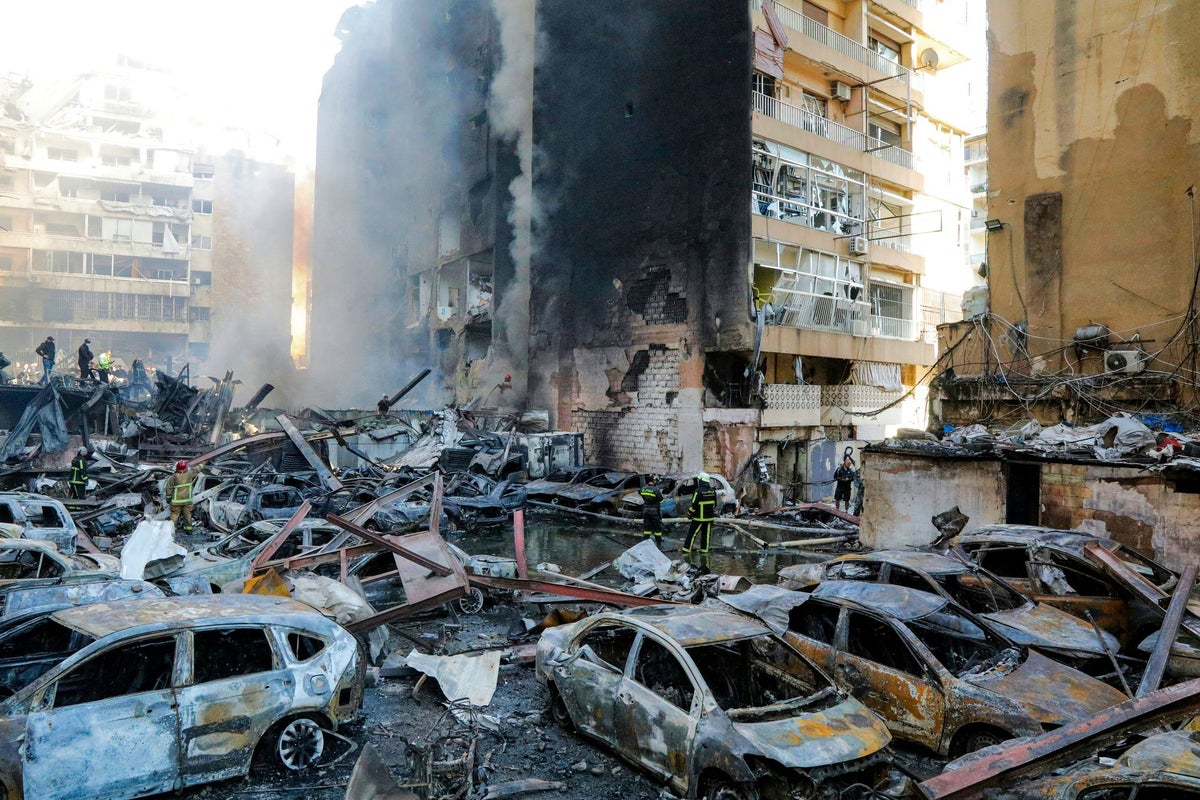
Israel doesn't care about the U.S.-Iran truce when it comes to Hezbollah. Prime Minister Benjamin Netanyahu made that clear on Wednesday, stating his finger remains on the trigger. Within ten minutes, the Israeli military hit over 100 targets across Lebanon. We’re talking about command centers, but also residential areas in Beirut that were flattened without warning. The Lebanese health ministry is reporting at least 112 dead and over 800 wounded in a single afternoon.
Iran’s Revolutionary Guard isn't going to sit back and watch their primary proxy get dismantled. General Seyed Majid Mousavi, the aerospace commander for the IRGC, was blunt on X: "Aggression towards Lebanon is aggression towards Iran." He promised a "regret-inducing response" if the barrage doesn't stop immediately. Related coverage regarding this has been shared by NBC News.
This isn't just tough talk. By re-closing the Strait of Hormuz on Wednesday, Iran essentially held the global oil market hostage again. This waterway handles roughly 20% of the world's oil and gas. When Iran shuts it, gas prices at your local station go up, and the global economy takes a gut punch. They’re using the only leverage they have left after five weeks of bruising combat with the U.S. and Israel.
What most people get wrong about the 2026 conflict
A lot of folks think this war is just a continuation of the old "shadow war" we’ve seen for decades. It isn't. This conflict, which kicked off on February 28, 2026, under "Operation Epic Fury," fundamentally changed the map. The U.S. and Israel took out the heart of the Iranian leadership early on, including Supreme Leader Ali Khamenei.
But killing a leader doesn't kill an ideology or a military structure. Iran has shown it can replace its top brass quickly. Even in a weakened state, they’ve managed to launch thousands of drones and missiles. The "decisive military victory" U.S. Defense Secretary Pete Hegseth is bragging about feels a lot less decisive when you look at the chaos in the Gulf.
The uranium sticking point
The truce is also built on a lie about nukes. The White House claims Iran agreed to hand over its enriched uranium. Tehran hasn't confirmed that. In fact, a Farsi version of their 10-point peace plan suggests they want to keep their enrichment program while getting all sanctions lifted.
President Trump called that version "fraudulent," but it shows how far apart the two sides really are. If the U.S. expects Iran to disarm completely while Israel continues to level Lebanon, this ceasefire won't last until Friday.
Why the Pakistan talks are a long shot
Vice President J.D. Vance is supposed to lead a negotiating team in Islamabad this week to turn this fragile pause into something permanent. But he’s already blaming Iran for the potential collapse. He told reporters in Hungary that if Iran lets the deal fall apart over Lebanon—which he claims has "nothing to do with them"—that’s their choice.
That’s a wild take. Lebanon has everything to do with Iran. Hezbollah is the crown jewel of Iran’s "Axis of Resistance." Expecting Tehran to ignore the destruction of Hezbollah is like expecting the U.S. to ignore an attack on Hawaii. It’s a fundamental misunderstanding of the region's dynamics.
The immediate fallout you need to watch
If you’re trying to figure out what happens next, don't look at the diplomatic cables. Look at the shipping lanes and the casualty counts in Beirut.
- Shipping fees in the Strait: One of the weirdest parts of the proposed deal is a plan for Iran and Oman to officially charge fees for ships passing through the Strait of Hormuz. This would end decades of the strait being a free international waterway. Gulf Arab states are going to hate this, and it could lead to even more friction.
- The NATO rift: Trump is already fuming at NATO leader Mark Rutte because European allies didn't help secure the Strait of Hormuz when things got ugly. If the ceasefire fails, expect the U.S. to get even more isolationist.
- Civilian mourning: Lebanon has declared Thursday a day of national mourning. The sheer scale of the strikes on Wednesday has radicalized a whole new generation. Even if the guns go silent for a few days, the hatred is deeper than ever.
The reality is that we're in a "pause," not a peace. Israel wants to finish the job against Hezbollah. Iran wants its sanctions gone and its influence preserved. These two goals are mutually exclusive.
If you're in the region, keep your bags packed. The Indian embassy has already told its citizens to get out of Iran "expeditiously," even after the ceasefire was announced. That tells you everything you need to know about how much the "experts" actually trust this deal. Watch the Strait of Hormuz tonight; if those gates don't open, the war is back on by morning.