The doorbell rings at 10:00 AM on a Tuesday. It is a mundane sound, the universal herald of a modern convenience. You bought a new sofa, a dining table, or perhaps a bed frame for a growing child. To you, this is the final step of a retail transaction. To the massive furniture corporation you paid, it is a line item marked "fulfillment."
But as the heavy door swings open, a silent gamble begins. You aren't just letting in a delivery driver. You are inviting a stranger into the sanctum of your home, the one place where the world is supposed to stay outside.
Most of the time, the gamble pays off. The furniture is assembled, the cardboard is hauled away, and life continues. But a recent lawsuit filed against a major furniture retailer reveals what happens when the systems designed to protect us fail in the most catastrophic way imaginable. It is a story about the legal gray areas of the "gig economy" and the devastating human cost of corporate distance.
The Illusion of the Uniform
When a man wearing a branded shirt walks into your living room, you see the company. You see the decades of marketing, the polished showrooms, and the promise of quality. You trust the brand, so you trust the man.
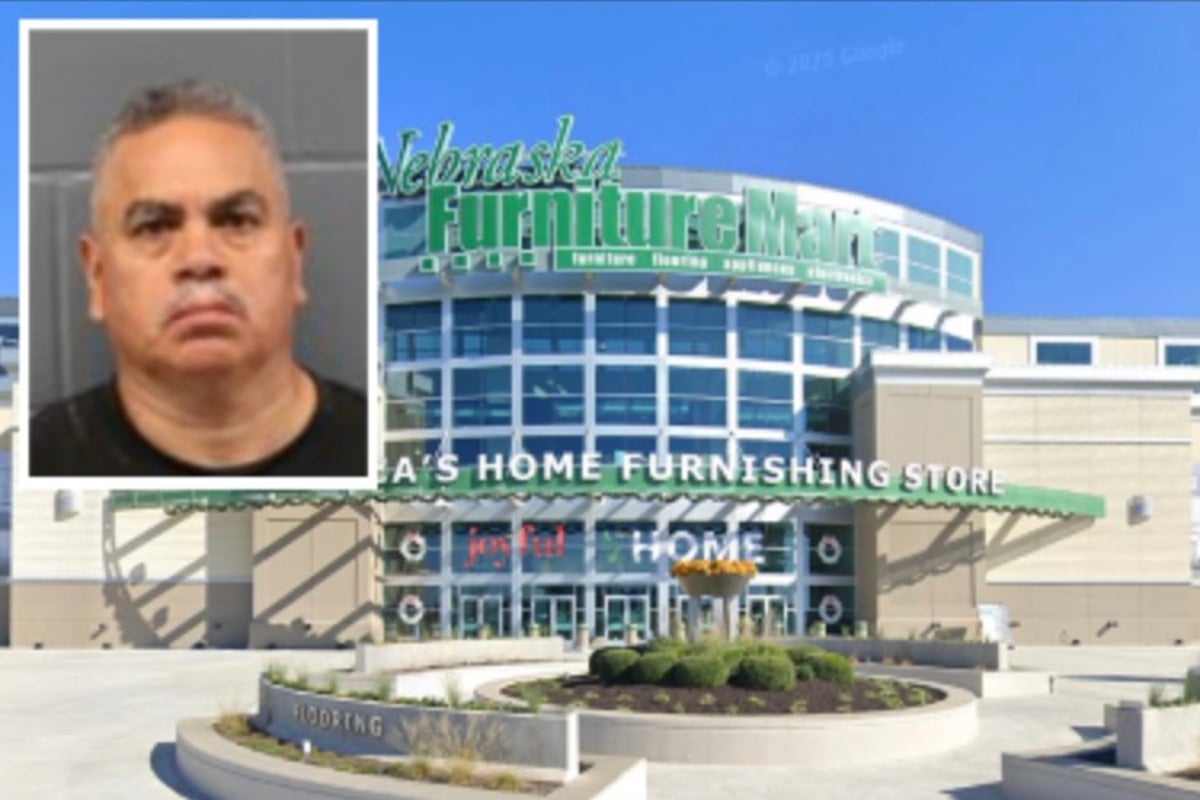
In this specific case, an eight-year-old girl was home while a contractor performed work for a well-known furniture store. Her parents did what millions of us do: they assumed the person in their house had been vetted, scrubbed, and verified by the multi-billion-dollar entity they had just handed their credit card to.
They were wrong.
The contractor allegedly molested the child while on the job. The horror of that sentence is heavy. It sits in the gut like lead. While the legal battle focuses on negligence and liability, the emotional reality is a shattered sense of safety that no settlement can ever truly repair. The home, once a fortress, became a crime scene.
The core of the legal argument is simple but chilling. The furniture store argues, as many do, that the worker wasn't their employee. He was a contractor. A third party. A separate entity. This is the "contractor loophole," a legal shield that allows corporations to reap the profits of home services while outsourcing the moral and physical risks to someone else.
The Ghost in the Machine
We live in an era of invisible labor. When you click "buy," a Rube Goldberg machine of logistics springs into action. Your money goes to the corporation, but the actual human being who shows up at your door is often three or four degrees of separation away from that corporate headquarters.
Consider the layers. The furniture store hires a logistics firm. The logistics firm subcontracts to a regional delivery service. The delivery service hires independent contractors. By the time a person is standing in your hallway, the brand whose logo is on the box might not even know their name.
This isn't just a business model. It is a systematic erosion of accountability.
When a company uses contractors, they often bypass the rigorous background checks and continuous monitoring that they might apply to their own "on-paper" staff. It is cheaper. It is faster. It allows for "scalability." But you cannot scale human safety without a soul.
If a restaurant serves tainted food, they are liable, even if they didn't grow the lettuce. Yet, in the world of home services, companies frequently try to wash their hands of the actions of the people they sent to your house. They provide the platform, the lead, and the payment processing, but when the unthinkable happens, they provide the fine print.
The Weight of a Background Check
What is the price of a person's history? To a large corporation, a comprehensive background check might cost thirty dollars and take three days. Across a fleet of thousands of contractors, those days and dollars add up. They represent friction in a world that demands "seamless" transactions.
But for the family in this lawsuit, that friction is the difference between a normal Tuesday and a lifetime of trauma.
The lawsuit alleges that the furniture store failed to ensure that the people they were sending into private homes were safe. It challenges the idea that a company can profit from a service without being responsible for the person performing it. If you send a wolf into a home under the banner of your sheep, you don't get to claim you didn't know he had teeth.
This isn't an isolated incident. It is a symptom of a broader cultural shift where we have traded intimacy and accountability for speed and low overhead. We have become comfortable with the stranger at the door because we have been told the "platform" handles the risk.
The Sanctity of the Threshold
There is a psychological weight to the threshold of a home. In ancient cultures, the doorway was a sacred space, protected by gods and rituals. Today, we protect it with smart doorbells and deadbolts. But those tools are useless against a threat that we voluntarily invite inside.
We are told to teach our children about "stranger danger," but how do we explain a stranger who has been sanctioned by a trusted household name? How does a child process a threat that arrives with a clipboard and a toolbox?
The invisible stakes of this legal battle go far beyond one furniture store or one contractor. They touch on the very fabric of our social contract. If we cannot trust the institutions we interact with to vet the people they send into our bedrooms and nurseries, then the concept of "service" is dead. It is replaced by a predatory lottery.
The Corporate Shield
Lawsuits like this are often the only way to force a change in corporate behavior. In the boardroom, safety is a metric. It is weighed against the cost of insurance premiums and legal defense funds. Until the cost of a tragedy exceeds the cost of prevention, the system remains unchanged.
The defense will likely lean on the technicalities of the independent contractor agreement. They will point to clauses and sub-clauses that distance the parent company from the individual's actions. They will talk about "jurisdiction" and "limited liability."
But the law is not just a collection of rules; it is a reflection of what we value. If the law allows a company to profit from a service while ignoring the safety of the customer, the law is failing.
True expertise in business isn't just about logistics or marketing. It is about understanding the gravity of the trust a customer places in you. When a customer opens their door, they aren't just giving you access to their floor space. They are giving you access to their life.
The Echo in the Hallway
Imagine the silence in that house after the contractor left. The new furniture sits in the room, a mocking reminder of the mundane errand that led to a nightmare. Every time the parents look at that piece of wood and fabric, they don't see a sofa. They see a failure of protection. They see the man the store sent.
We tend to look at these stories as "freak accidents" or "isolated tragedies." They aren't. They are the logical conclusion of a business philosophy that treats human interaction as a liability to be managed rather than a responsibility to be honored.
The next time you book a service, or order a delivery, or hire a contractor through a third-party app, remember the eight-year-old girl. Remember that the logo on the shirt is just ink. The real power lies in the person wearing it, and the real danger lies in the company that didn't care enough to find out who that person was.
The door closes. The bolt slides into place. But some things, once invited in, can never truly be locked out.