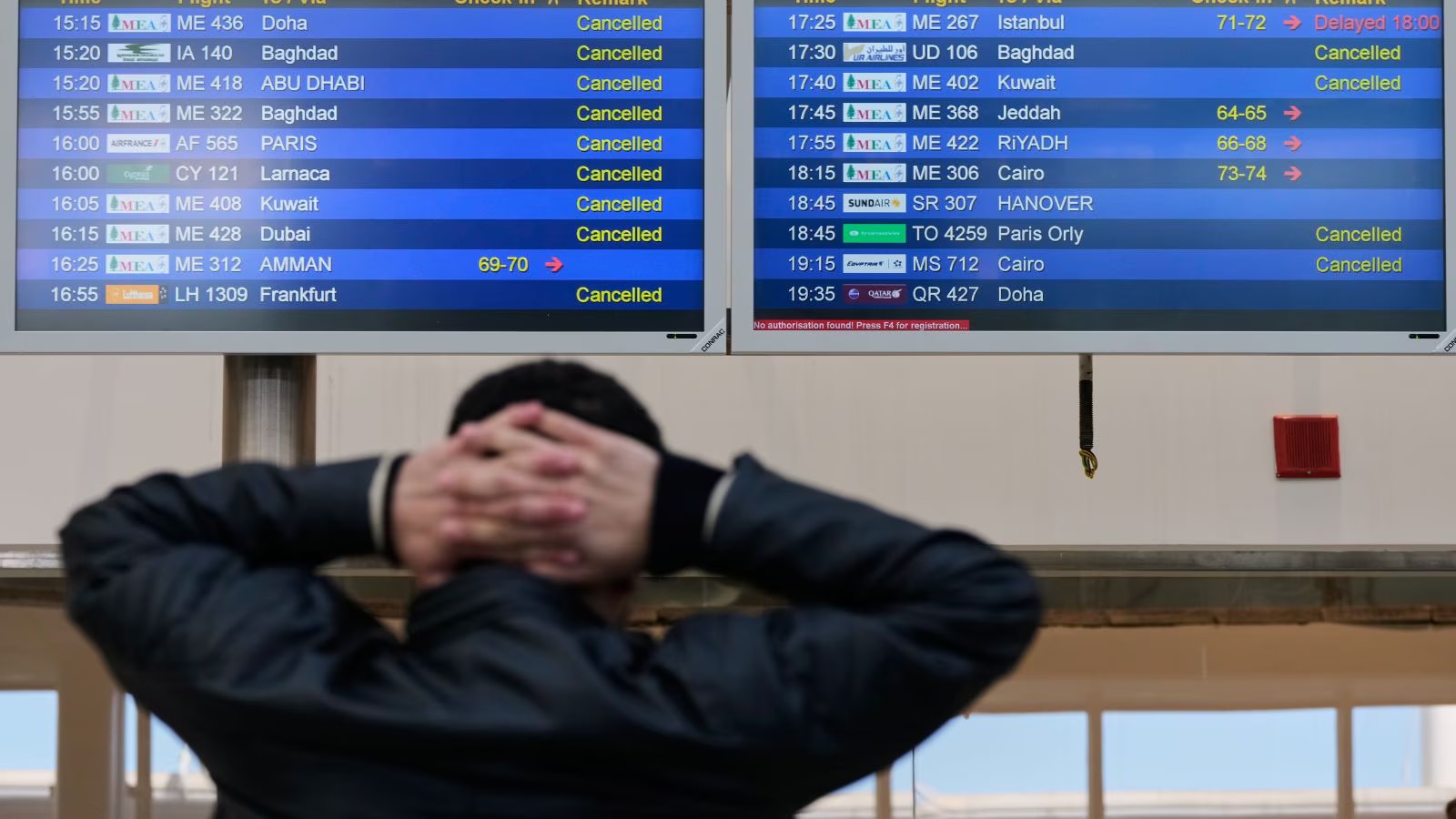
Thousands of passengers are currently trapped in a logistical purgatory across the Middle East, forced into high-stakes financial gambles just to return home. What the industry describes as a "temporary disruption" is actually a systemic failure of the hub-and-spoke aviation model when faced with regional instability. While headlines focus on the emotional scenes of stranded families cheering at terminal gates, the underlying reality is a brutal lesson in how quickly the illusion of global connectivity evaporates.
When a major airspace corridor shuts down, the ripple effect does not just delay flights. It destroys the pricing algorithms that keep travel affordable for the middle class. We are seeing a complete breakdown of the "just-in-time" travel economy. Passengers who once relied on $400 tickets are now being quoted $4,000 for multi-leg journeys through secondary hubs that were never designed to handle this volume. This is not just a travel inconvenience. It is an economic shakedown. Learn more on a related topic: this related article.
The Algorithmic War on the Stranded
Aviation pricing is governed by dynamic systems that prioritize yield over human necessity. In a crisis, these systems interpret a surge in searches as a signal to spike prices to the absolute ceiling. For a family stuck in Dubai or Doha, the screen does not show a path home; it shows a predatory bidding war.
Those who "cheer" at the gates are the lucky few who had the liquid capital to buy their way out of the mess. Behind them remain the invisible thousands—laborers, students, and small business owners—who cannot afford the "rescue" fares. The industry calls this demand-based pricing. An investigative look at the data suggests it is closer to price gouging by automation. More reporting by Travel + Leisure explores comparable perspectives on this issue.
The airlines argue that their costs are skyrocketing due to fuel surcharges and longer flight paths that circumvent restricted airspace. While true, these extra costs do not justify a 1,000% increase in economy class fares. The reality is that airlines are recouping losses from grounded fleets by taxing the desperation of the only people currently moving.
The Fragile Illusion of the Global Hub
The Gulf states built their economies on the premise of being the world’s crossroads. This model relies on three things: open skies, cheap fuel, and political neutrality. When one of those pillars cracks, the entire machine grinds to a halt.
The Geography of Exclusion
Current flight paths look like a chaotic web of zig-zags. To avoid restricted zones, a flight that once took six hours now takes nine. This creates a pilot-hours crisis. Crews hit their legal flying limits faster, leading to more cancellations that have nothing to do with the weather or technical faults. It is a mathematical certainty that the current schedule is unsustainable.
The Secondary Market Gamble
Desperate travelers are now turning to "hidden city" ticketing and self-transfers through obscure regional airports. They are booking separate tickets on low-cost carriers to places like Tbilisi, Yerevan, or Istanbul, hoping to stitch together a route home. This is incredibly risky. If the first flight is delayed by thirty minutes, the entire chain breaks. Unlike a single-ticket journey, the airlines have zero obligation to help a passenger who misses a connection on a separate booking.
I spoke with a logistics consultant who tracks these movements. He noted that the "shadow" travel market is currently operating at 115% capacity. People are sleeping in terminals of airports that lack basic transit facilities, waiting for a seat on a charter flight that might never materialize.
Why Governments Won't Step In
You would expect embassies to be coordinating massive sealifts or military transport for their citizens. They aren't. In the modern era, repatriation is seen as a private commercial matter. Unless there is a total kinetic conflict, the official stance remains: "Contact your airline."
This creates a vacuum where misinformation thrives. Telegram groups and WhatsApp chains are filled with "travel agents" promising guaranteed seats for cash. Many of these are scams, preying on the panic of those whose visas are expiring. The regulatory bodies that should be monitoring this—like IATA or national civil aviation authorities—move at a glacial pace compared to the speed of a digital bank transfer.
The Technical Debt of Modern Aviation
We have spent twenty years making travel more efficient, but we haven't made it more resilient. The software used by most major carriers is built on legacy code from the 1970s. When a massive disruption occurs, these systems struggle to re-book thousands of people simultaneously. This is why you see lines stretching for miles at customer service desks while the airline's app shows a blank screen.
The "gamblers" mentioned in the headlines aren't just betting their money; they are betting on the hope that the infrastructure won't suffer a total digital blackout. Every time a traveler tries to "hack" their way home via a three-stop route through Central Asia, they are adding more stress to a system that is already redlining.
The True Cost of Rerouting
Consider the physics of a modern long-haul jet.
- Fuel Burn: An extra three hours of flight time requires tons of additional kerosene.
- Weight Penalties: To carry that extra fuel, the plane must be lighter. This means bumped passengers or offloaded cargo.
- Maintenance Cycles: More hours in the air means engines hit their service intervals weeks ahead of schedule.
These are the hard costs that ensure even when the immediate crisis fades, ticket prices will stay elevated for months. The era of the $500 intercontinental flight is likely over for the foreseeable future.
Beyond the Terminal Gates
The focus on the Gulf is just the beginning. This is a blueprint for what happens when any major global transit point becomes a "no-go" zone. We saw a version of this during the 2010 Eyjafjallajökull eruption, but that was a natural event with a predictable end. The current situation is geopolitical, meaning there is no "clear skies" forecast on the horizon.
Investors are already looking at the risk profiles of airlines heavily dependent on these corridors. If you are a carrier whose entire business model depends on flying over specific coordinates, your stock is a liability. We are going to see a shift toward "circumferential" aviation—routes that prioritize safety and certainty over the shortest possible distance.
The Harsh Reality of the Return Journey
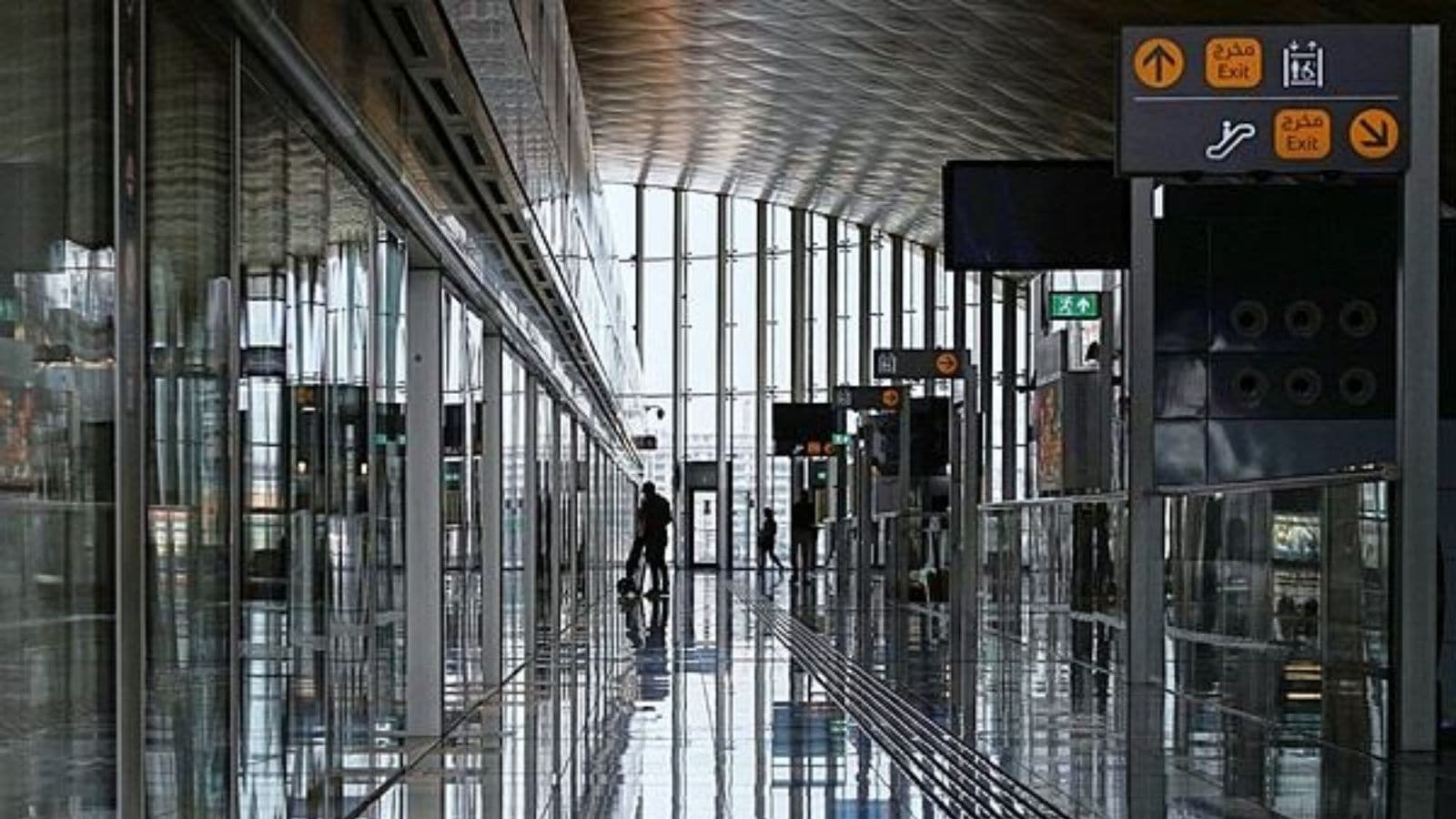
For those still waiting, the advice is usually to "stay put." But staying put costs money. Hotels in transit hubs are currently charging premium rates, and many travelers are running out of funds. This is a quiet humanitarian crisis unfolding in air-conditioned lounges and duty-free zones.
The cheering stops when the credit card statement arrives. The traveler who spent their life savings to get home from a canceled wedding or a business trip isn't a success story. They are a casualty of an industry that has failed to build a "Plan B" into its global expansion.
The next time you book a flight through a global hub, don't look at the layover time or the lounge amenities. Look at the map. Ask yourself what happens if that thin line on the screen is suddenly erased. If you don't have the cash to buy a new ticket at ten times the price, you aren't a passenger; you're a statistic waiting to happen.
Check the fine print on your travel insurance immediately. Most standard policies have "civil unrest" or "airspace closure" exclusions that will leave you stranded and broke. If your policy doesn't explicitly cover "cancellation for any reason," you are flying without a net. High-end travelers are already moving toward private boutique insurance firms that specialize in extraction, further widening the gap between those who can escape and those who are stuck.
The global aviation network is a miracle of engineering but a failure of sociology. It assumes a world that remains static and cooperative. As that cooperation dissolves, the "gamble" of travel becomes less about luck and more about the cold, hard reality of who can afford to pay the ransom for their own mobility.
Stop waiting for the airlines to "fix" the situation. They are businesses, not charities, and their primary loyalty is to their balance sheet, not your itinerary. If you are currently in a high-risk transit zone, your priority should be securing any exit route that moves you toward a stable, multi-carrier hub, regardless of the initial direction. Waiting for a direct flight that may never come is a strategy for the desperate. Move while you still have the funds to make the choice.