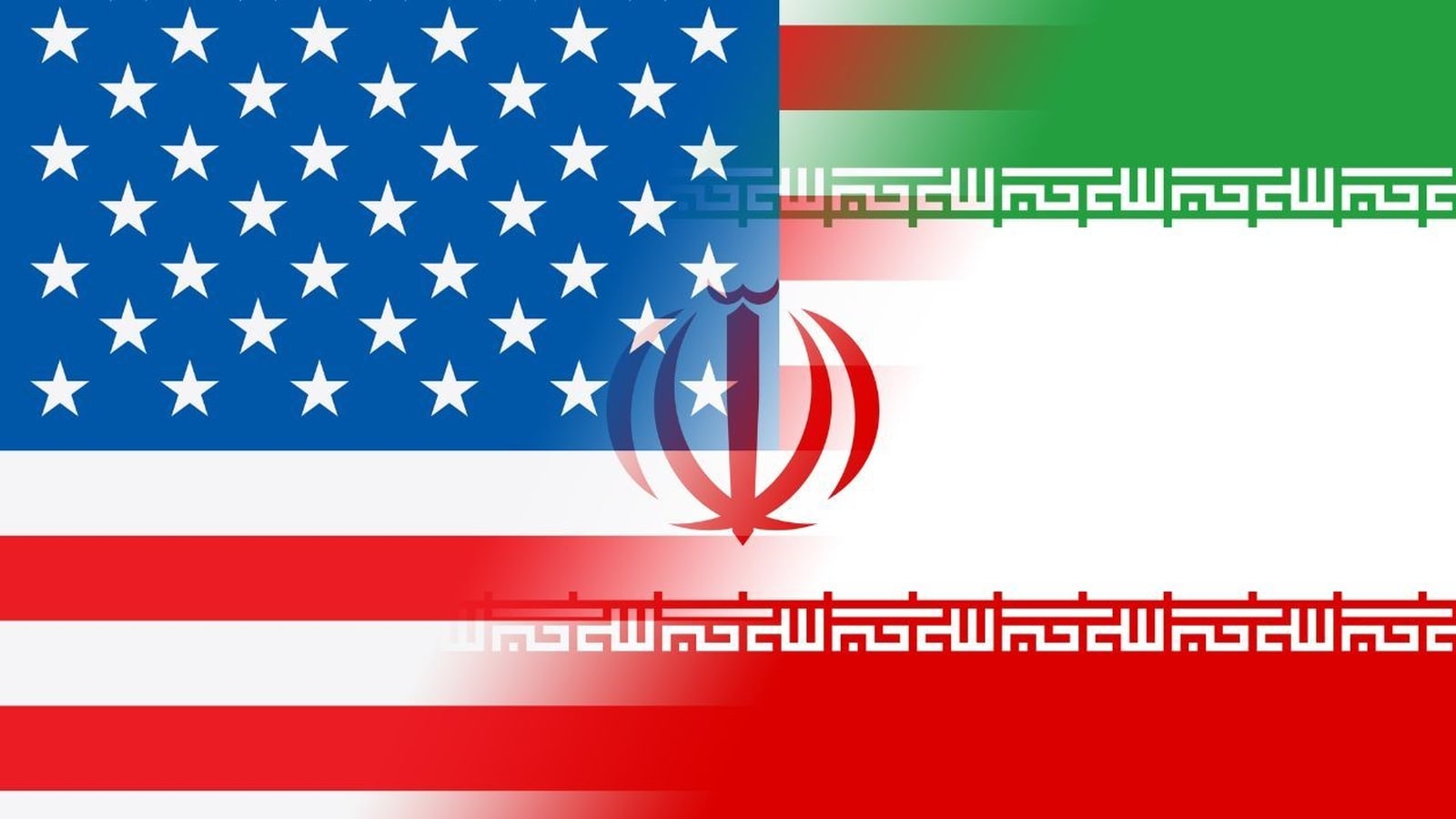
Inside a windowless room in the heart of Washington, a digital clock pulses with a red glow. It counts down. It doesn’t track minutes until a meeting or seconds until a rocket launch. It tracks the life of a legal mandate. For decades, the American presidency has operated under a shadow cast by the 1973 War Powers Resolution, a piece of paper designed to ensure that no single person can lead the country into a forever war without the people’s consent.
But laws are only as strong as the definitions we give them. Learn more on a similar issue: this related article.
Recently, a quiet declaration from a senior U.S. official shifted the gears of this machinery. The message was technical, almost clinical: the "hostilities" involving Iran and its proxies have been "terminated" for the purposes of the War Powers Act.
To a casual observer, this sounds like peace. To those who live in the crosshairs, it is something much more complicated. It is a legal reset. A clearing of the ledger. Further reporting by The Guardian delves into related perspectives on the subject.
The Mechanics of the Sixty Day Timer
The War Powers Resolution is built on a simple, sixty-day fuse. When a president sends troops into "hostilities," the clock starts ticking. If Congress doesn't give a thumbs-up within two months, the troops have to come home. It is the ultimate "check" on executive overreach.
But what happens when the definition of "hostilities" becomes a moving target?
Imagine a sailor stationed on a destroyer in the Red Sea. For weeks, he has watched radar screens light up with incoming threats. He has seen the flash of interceptors. He has felt the shudder of the ship as it defends itself against drones launched from thousands of miles away. To him, the war is very much alive. It is loud. It is terrifying. It is constant.
However, in the quiet corridors of the State Department, that same reality is viewed through a different lens. If the shooting stops for long enough—or if the nature of the engagement changes—the lawyers can argue that the "hostilities" have ended. By declaring them terminated, the administration effectively hits the "reset" button on that sixty-day clock.
The fuse is replaced. The timer returns to zero.
The Fiction of the Clean Break
We like to think of war as a light switch. On or off. Declaration or Treaty.
The reality of modern conflict is more like a flickering bulb in a storm. One day there is a drone strike on a base in Jordan; the next, there is a week of silence. During that silence, the legal teams go to work. They argue that the absence of active fire means the statutory requirements of the War Powers Act no longer apply.
This isn't just semantics. It is a fundamental shift in how a democracy manages its power.
Consider a hypothetical legislative aide named Sarah. She spends her nights reading through classified briefings, trying to determine if the executive branch is sidestepping the Constitution. She knows that if the administration can unilaterally decide when a war starts and stops, the role of Congress becomes purely decorative.
If hostilities are "terminated" every time there is a forty-eight-hour lull in fighting, the sixty-day limit never actually expires. The war can continue indefinitely, sixty days at a time, forever refreshed by a well-timed memo.
This creates a ghost war. A conflict that exists in the physical world—with blood, metal, and fire—but does not exist in the legal world of legislative oversight.
The Weight of a Word
The official stance is that these pauses are genuine. They argue that the United States is not seeking a broader conflict with Tehran, and that the cessation of certain strikes proves a de-escalation. By declaring hostilities over, the government signals to the international community that it is pulling back from the brink.
But there is a tension here that cannot be ignored.
When we use words like "terminated" to describe a situation that remains incredibly volatile, we risk decoupling our policy from the lived experience of those on the ground. For the families of service members, the legal status of the conflict is secondary to the reality of the deployment. They don't care about the sixty-day fuse; they care about the person on the other end of the video call.
The danger of this legal maneuvering is that it makes war too easy to sustain.
If the hurdle for keeping troops in harm's way is lowered by creative definitions, the incentive to seek a permanent diplomatic solution is weakened. Why go through the bruising political battle of asking Congress for a formal Authorization for Use of Military Force (AUMF) when you can simply manage the clock?
The Empty Chambers of the Capitol
While the executive branch resets its timers, the halls of Congress often remain strangely quiet. The War Powers Resolution was passed in the wake of the Vietnam War specifically because the legislature realized it had surrendered its most important duty: the power to decide when the nation goes to combat.
Today, that duty is often treated like a hot potato.
Many lawmakers are privately relieved when the administration finds a way to reset the clock. It spares them from having to take a difficult vote on a messy conflict with no clear exit strategy. They can complain about executive overreach in press releases while benefiting from the political cover that executive action provides.
This creates a cycle of complicity. The president pushes the boundaries of the law, and Congress allows the boundaries to be pushed.
Behind the technical jargon of "terminated hostilities" lies a deep, systemic fatigue. We are a nation that has been at war in one way or another for over two decades. We have grown used to the idea of "kinetic actions" and "counter-terrorism operations" that don't quite reach the level of a declared war.
We have accepted a world where the clock always resets, but the sun never quite rises on a lasting peace.
The Sound of the Reset
Somewhere, a pen touches paper. A memo is filed. A digital record is updated.
The sixty-day timer on the wall clicks back to the beginning.
In the Red Sea, the sailor watches the horizon. He doesn't know about the memo. He doesn't know that, according to a legal brief in a climate-controlled office, the hostilities he is experiencing have technically ended. He only knows the weight of his gear and the salt in the air.
He waits for the next flash on the radar. He waits for the world to catch up to the reality he sees every night.
The red numbers on the clock start their slow, inevitable march toward sixty once again. They glow in the dark, a silent witness to a conflict that refuses to be defined by the laws meant to contain it.
The reset is complete, but the ghosts remain.



