The world’s most critical energy artery just went silent. This week, the Qatari government issued a quiet but sweeping directive to vessels anchored at Ras Laffan, the planet’s premier liquefied natural gas (LNG) export hub. The order was simple. Turn off your transponders.
By Monday, at least nine massive LNG tankers—each carrying enough energy to power a small European nation for a month—simply vanished from global tracking maps. In a sector where transparency is usually a safety requirement to prevent catastrophic collisions, this sudden move toward "dark mode" signals a dangerous escalation in the Middle East energy war.
The primary reason is clear. Physical security. Over the last three months, the shadow war between regional powers has spilled into the water, and Qatar’s sprawling infrastructure is now a bullseye.
The Targeted Hub
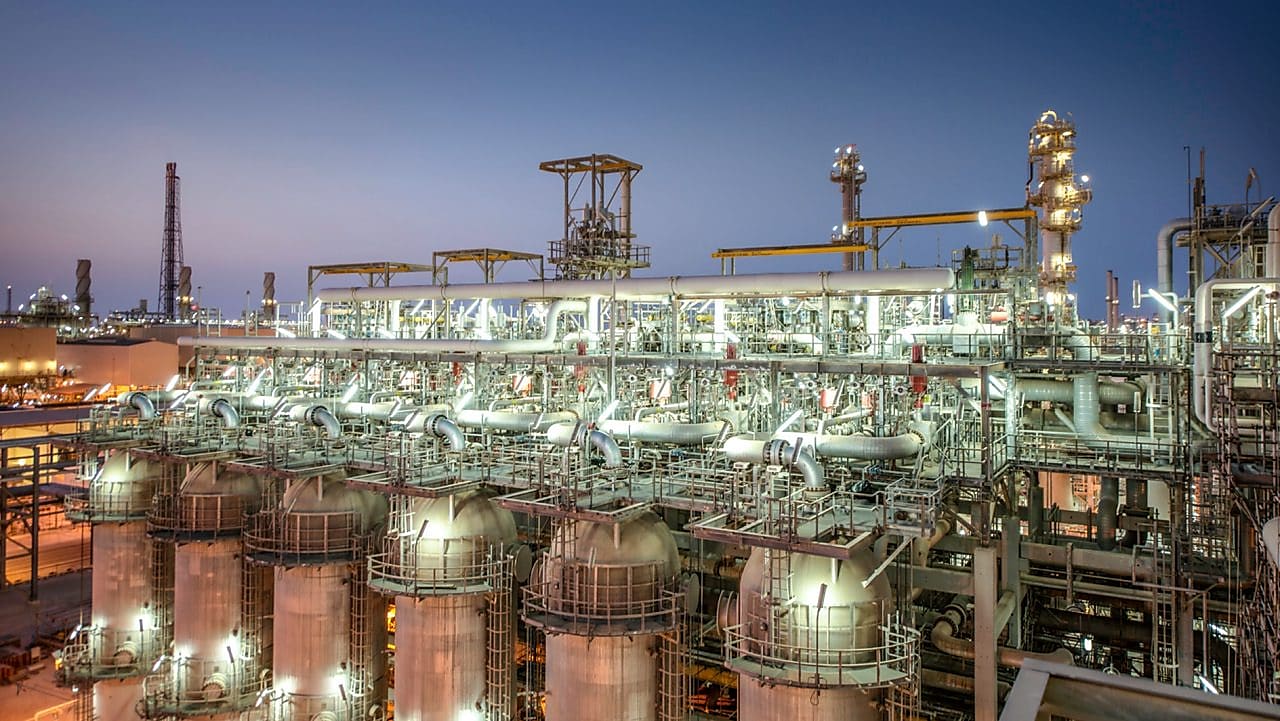
Ras Laffan is not just a port. It is the heart of a global supply chain that provides nearly 20% of the world's LNG. For decades, it was considered untouchable. That changed last week when a drone targeted a cargo ship within Qatari waters, sparking a fire and proving that the nation’s maritime "safe zones" are anything but.
Earlier strikes on the liquefaction facilities themselves have already crippled two export "trains." QatarEnergy officials now admit these units could take five years to repair. This is no longer a temporary supply hiccup. It is a fundamental fracturing of the energy map.
Turning off the Automatic Identification System (AIS) is a desperate defensive play. When a ship "goes dark," it stops broadcasting its GPS coordinates, speed, and heading to the public. For an LNG carrier, this makes it harder for loitering munitions or state-backed pirates to lock onto a high-value target. However, it also creates a maritime nightmare. These vessels are massive, sometimes stretching 300 meters in length, and require miles of clearance to maneuver. Moving them in the dark, through crowded anchorages, is a gamble that speaks volumes about the level of threat currently felt in Doha.
Why the Strait of Hormuz is the Real Target
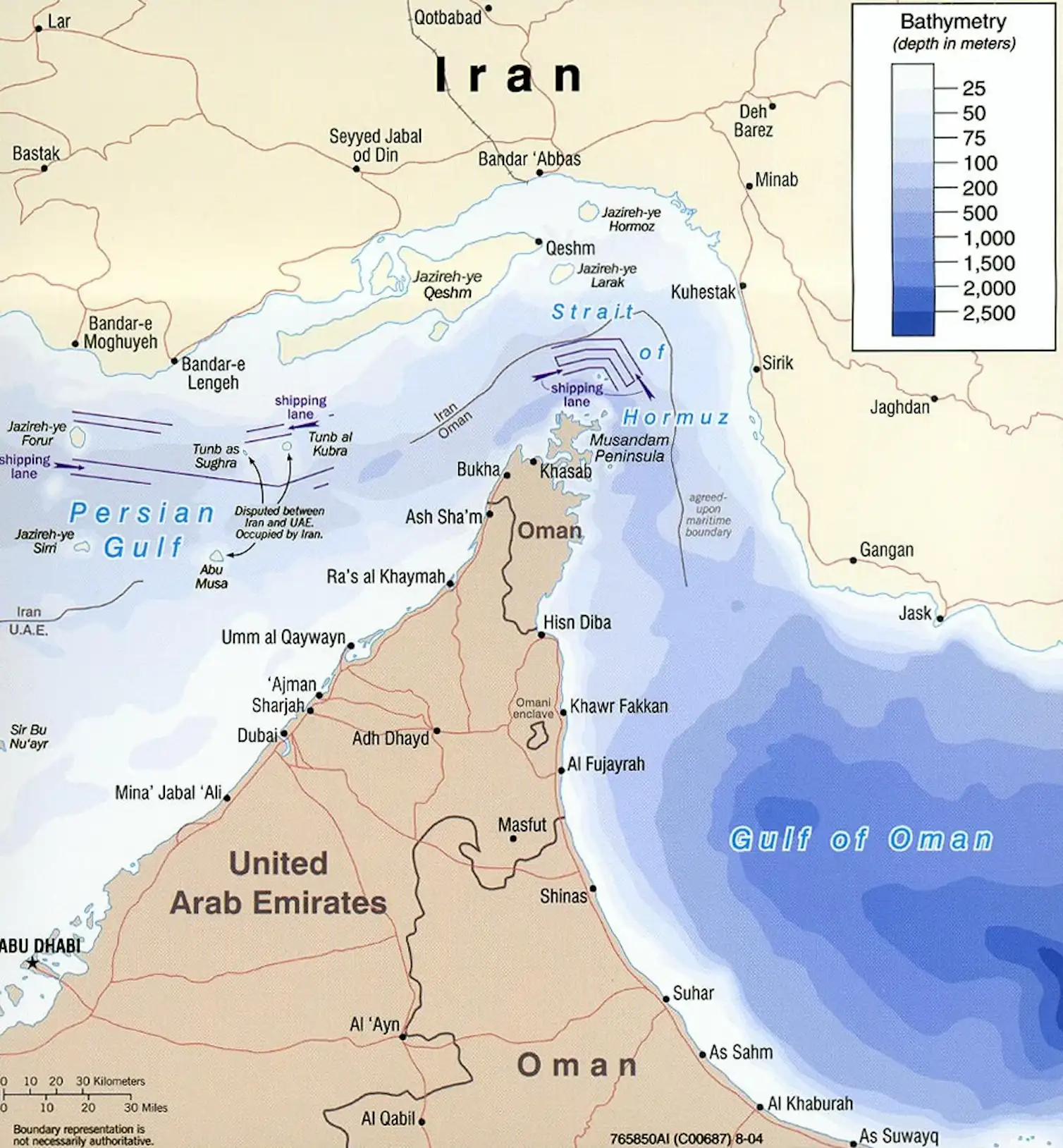
While the port directive is the immediate news, the real story is the "choke" happening further east. The Strait of Hormuz is effectively closed to conventional traffic. For months, no loaded LNG tanker has successfully navigated the strait without a direct military escort or a backroom deal.
Iran’s grip on the waterway has forced Qatar to look for unconventional exits. We are seeing a new, risky playbook emerge:
- The Shadow Transit: Vessels load at Ras Laffan, kill their signals, and attempt to hug the Omani coastline under the cover of night.
- The U-Turn: On April 6, two tankers—the Al Daayen and the Rasheeda—made a sudden about-face just miles from the strait. They weren't low on fuel. They were warned.
- The Diplomatic Pass: Pakistan recently brokered a deal to allow a single shipment through after direct talks with Tehran.
This fragmentation of the market is unprecedented. We are moving toward a "postal" energy system where every individual shipment requires its own diplomatic clearance and a blackout period.
The Cost of Invisibility
The economic fallout is already hitting household bills in Berlin and Tokyo. With 20% of the world's LNG supply effectively held hostage, spot prices have surged. In the first quarter of 2026, global natural gas prices jumped nearly 30% as the realization set in that the Middle East "security premium" is back with a vengeance.
ExxonMobil has already warned investors of a 6% production hit due to the chaos in the Gulf. This isn't just about lost revenue for the oil majors. It's about the physical availability of gas for the upcoming winter. If these "dark" tankers can't find a safe way out of the Persian Gulf, the storage tanks at Ras Laffan will hit capacity.
When that happens, the wells have to be shut in. You cannot simply "pause" a massive liquefaction plant like a light switch. Restarting these systems after an emergency shutdown can take weeks or months, further compounding the shortage.
The Blind Spot Problem
The maritime industry is built on the premise that everyone knows where everyone else is. By ordering ships to go dark, Qatar is protecting its assets but eroding the safety standards of the entire region.
Other players are following suit. ADNOC tankers from the UAE have been spotted disabling their transponders near Das Island. We are witnessing the birth of a "Ghost Fleet" for legitimate energy exports—a tactic usually reserved for sanctioned oil from Russia or Iran, now being adopted by the world’s most reputable energy exporters.
This shift toward invisibility is a double-edged sword. It may prevent a drone strike today, but it increases the risk of a high-speed collision in the world's most congested waters tomorrow. If a "dark" LNG carrier collides with another vessel, the resulting explosion would dwarf any damage a small drone could cause.
The directive to go dark is a admission of a harsh reality. The old rules of maritime safety are being rewritten by the necessity of survival. For the energy markets, the lights are staying on for now, but the ships that power them are disappearing into the shadows.