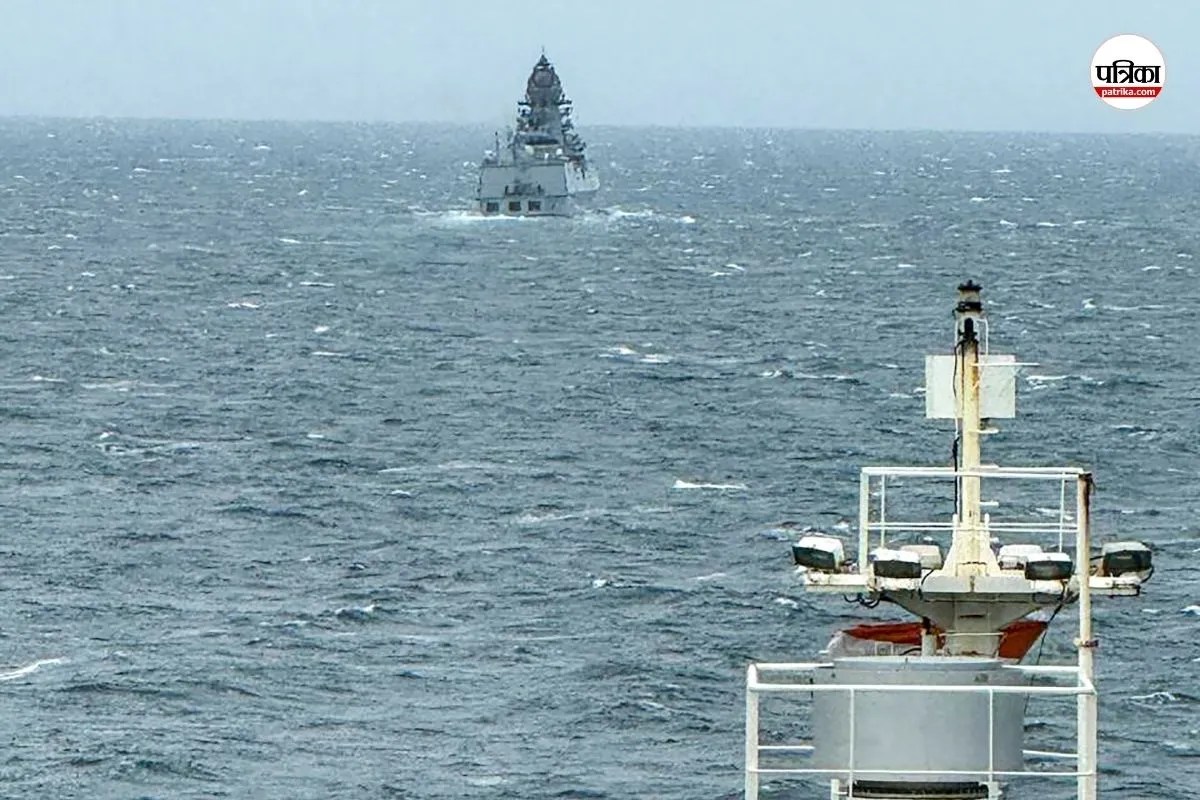
The Strait of Hormuz is a ticking time bomb for global shipping. It’s tight, it’s tense, and right now, it’s holding Indian lives in the balance. When news broke that Indian sailors were stuck on vessels seized or blocked in this volatile corridor, the anxiety back home was palpable. Families weren't just looking for headlines; they wanted action. India’s diplomatic machinery has finally shifted into high gear, making direct contact with Tehran to ensure our people come home. This isn't just about trade routes. It’s about the safety of our citizens in a region that feels like it’s on the brink of a much larger fire.
You can't ignore the geography here. The Strait is a narrow neck of water between Oman and Iran. It connects the Persian Gulf with the Gulf of Oman and the Arabian Sea. About a fifth of the world's total oil consumption passes through this tiny chink in the armor of global commerce. When things go south between regional powers, the merchant ships—and the innocent crews manning them—are the first to get caught in the crossfire.
The Tehran Connection and Why It Matters Now
New Delhi isn't playing a waiting game anymore. By engaging directly with Iranian authorities, the Indian government is leveraging a long-standing, albeit complex, relationship. We've seen this play out before. Iran and India have shared interests, from the Chabahar Port to energy security. However, when geopolitical tensions spike, these friendships are put to the ultimate test. The outreach to Tehran is a clear signal that India treats the safety of its seafarers as a non-negotiable priority.
It’s easy to look at a map and see dots. But those dots are ships like the MSC Aries or others that have found themselves tangled in Iranian maritime "interventions." Indian nationals make up a massive chunk of the global seafaring workforce. Honestly, if you're on a ship anywhere in the world, there's a high chance an Indian is helping steer it. That’s why the government's move to secure consular access isn't just a routine check-in. It’s a rescue mission draped in the language of diplomacy.
What’s Really Happening Behind the Scenes
Diplomacy doesn't happen in a vacuum. While the public sees the formal statements, the real work is happening in quiet rooms in Tehran and New Delhi. India has to balance its "Strategic Autonomy" while making sure Iran understands that holding Indian crew members is a bad look for a country that wants to be a BRICS leader.
Reports suggest that the Indian Ministry of External Affairs (MEA) has been in constant touch with their Iranian counterparts. They aren't just asking for their release; they're demanding proof of well-being. That’s a crucial distinction. In these high-pressure situations, communication is often the first thing to break down. By establishing a direct line, India ensures that the sailors aren't forgotten in the shuffle of regional posturing.
The Human Cost of Maritime Tension
Imagine being a sailor on a routine voyage. You're thinking about your family in Kerala or Punjab. Then, suddenly, helicopters are hovering over your deck. Armed men descend. Your ship is diverted. You’re not a combatant. You’re a worker. This is the reality for the Indians stuck in the Hormuz.
The psychological toll is massive. Families back home are glued to news cycles, waiting for a single WhatsApp message or a satellite call that might never come. The government’s outreach provides a sliver of hope, but the wait is grueling. India's success here will be measured in the number of sailors who walk through the arrivals gate at IGI airport, not by how many diplomatic notes are exchanged.
Why This Region Is a Constant Headache for India
India’s energy security is tied to the Middle East. It’s an inescapable fact of our economy. When the Strait of Hormuz gets choked, oil prices at your local petrol pump in Delhi or Mumbai start to creep up. But beyond the economics, there's the sheer volume of our diaspora. Millions of Indians live and work in the Gulf. Any instability there ripples through our economy and our social fabric.
The current friction is part of a larger shadow war involving Israel, Iran, and various proxy groups. India has managed to stay largely neutral, keeping ties with all sides. But neutrality gets hard when your people are physically detained. You have to pick a side—the side of your citizens. The outreach to Tehran shows that India is willing to exert its influence to protect its own, even if it means navigating the murky waters of Middle Eastern politics.
The Role of International Law in the Strait
The legal status of the Strait of Hormuz is a mess. Iran claims certain rights over the waters that the US and others contest under the United Nations Convention on the Law of the Sea (UNCLOS). Iran isn't a party to UNCLOS, which complicates things. They follow their own interpretation of "Innocent Passage."
When India talks to Tehran, they aren't just talking about politics. They’re talking about the right of Indian workers to move through international transit corridors without being used as bargaining chips. It’s a delicate dance. If India pushes too hard, they risk a diplomatic fallout. If they don't push enough, they look weak. The current approach seems to be a mix of "firm demand" and "old friend" rhetoric.
Reality Check on the Release Process
Don't expect everyone to be home by tomorrow. These things take time. Iran often uses these detentions as a way to signal to the West. The sailors are essentially pawns in a much larger game of chess. However, India has a track record of getting its people back. Think back to the various evacuations from Yemen or Sudan. The "Indian Passport" carries a weight it didn't have twenty years ago.
The Iranian side has historically shown a willingness to cooperate with India on humanitarian grounds. They know that antagonizing New Delhi doesn't serve their long-term interests. But the wheels of Iranian bureaucracy, especially the Revolutionary Guard, move in their own way. Consular access is the first big win. Once Indian officials can physically see the sailors, the pressure for their release becomes much harder to ignore.
Practical Steps for Families and Concerned Citizens
If you have a relative working in the merchant navy in that region, stay calm but stay informed. The MEA has helplines, and the Directorate General of Shipping is the primary body coordinating with the families.
- Register with the Embassy: Ensure the sailor’s details are fully updated with the Indian Embassy in Tehran.
- Avoid Rumors: Social media is a breeding ground for fake news during hostage or detention situations. Stick to official MEA briefings.
- Contact the Recruitment Agency: The Manning Agency that sent the sailor is legally obligated to provide updates and support.
The situation in the Strait of Hormuz is a reminder of how fragile our global systems are. One wrong move in a narrow waterway can spark a crisis that hits home thousands of miles away. India's proactive stance with Tehran is the right move, but the path to a full resolution remains cluttered with geopolitical landmines. We need to keep the pressure on until every last Indian seafarer is back on solid ground.
Keep a close eye on the official MEA social media handles for real-time updates on consular visits. If you're a family member, document every communication with the shipping company to ensure they're doing their part in providing the government with necessary vessel data. The focus now must remain on the swift and safe return of the crew through these established diplomatic channels.