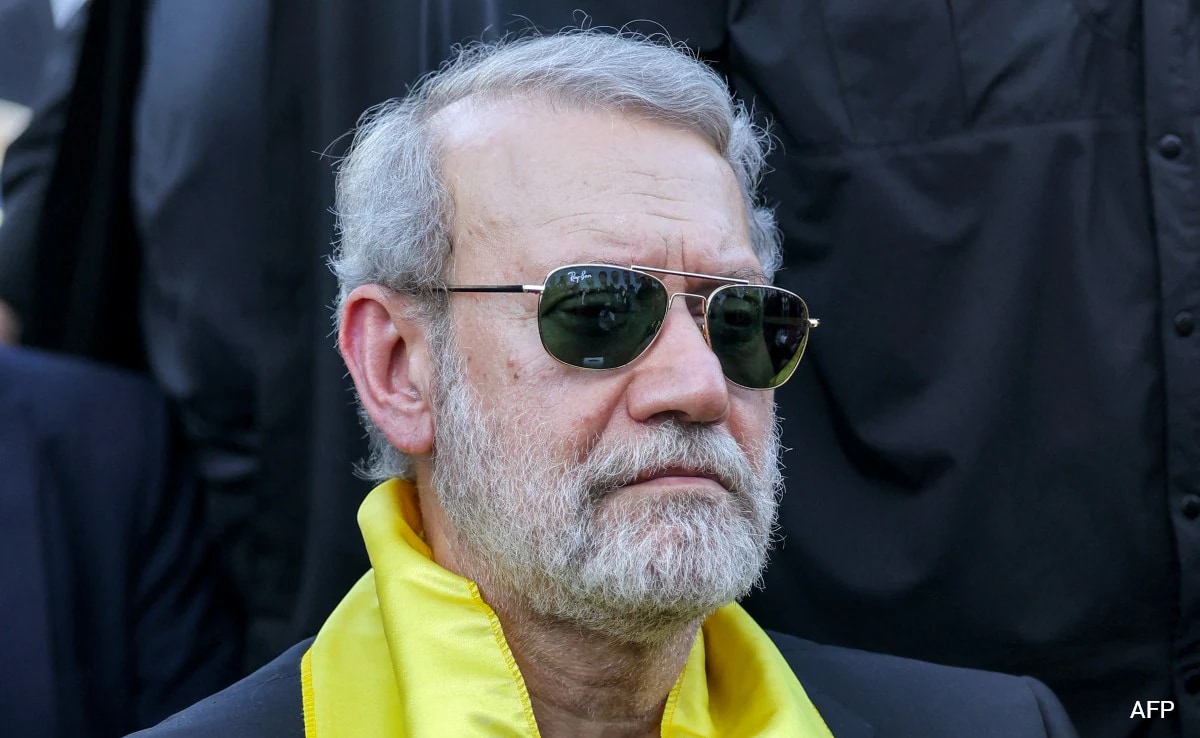
Iran just confirmed what many suspected after days of conflicting reports from the region. Brigadier General Abbas Larijani, a high-ranking official within the security apparatus, is dead. The official state media didn't just report a passing; they framed it as he "achieved martyrdom." This phrasing isn't accidental. It’s a calculated move by the Islamic Republic to maintain morale and signal strength during a period where their internal security feels increasingly thin. If you’ve been following the shifting power dynamics in the Middle East over the last year, you know this isn't just another name on a casualty list. It’s a blow to the very structure that keeps the current administration upright.
Larijani wasn't a household name for everyone in the West, but he was a cornerstone of the internal intelligence network. He operated in the shadows, managing the delicate balance between the Revolutionary Guard (IRGC) and the traditional military forces. When a figure like that is removed from the board, it creates a vacuum. Vacuums in Tehran usually lead to one of two things: a brutal internal power struggle or a swift, often violent, external distraction.
Why the martyrdom label matters for Iranian optics
State-run outlets like IRNA and Fars News are leaning heavily into the religious and nationalist weight of Larijani’s death. By calling it "achieved martyrdom," the government shifts the narrative from a security failure to a spiritual victory. It's a classic redirection. They want the public—and their enemies—to believe that losing a top general only strengthens their resolve.
But look past the rhetoric. The reality is that losing a senior coordinator of Larijani’s caliber suggests a significant breach. Whether he was targeted in a precision strike or died under other circumstances, his absence disrupts ongoing operations. You don't just "replace" thirty years of institutional memory and deep-seated loyalty. The timing is particularly rough for Tehran, given the heightening tensions with regional rivals and the persistent internal dissent that has been simmering since 2022.
The strategic void left behind by Abbas Larijani
Larijani was reportedly instrumental in streamlining how Iran handles its "forward defense" strategy. This involves coordinating with proxy groups while ensuring the domestic front remains airtight against foreign intelligence penetration. He was the glue.
Think about it this way. If you’re running a massive, multi-national corporation and your Chief Operating Officer suddenly vanishes, the company doesn't go bankrupt overnight. But the projects that required his specific sign-off? They stall. The secret negotiations he was middle-manning? They freeze. That’s where Iran finds itself today. We’re likely to see a period of "recalibration" within the IRGC. This often means more aggressive posturing as the new leadership tries to prove they're just as tough as their predecessor.
Rising questions about internal security breaches
How does a man with Larijani's level of protection end up dead? That’s the question everyone in the intelligence community is asking right now. Iran has a history of high-profile assassinations within its borders—scientists, military leaders, and political figures have all been hit over the last decade. Each time, the government promises to find the "infiltrators," but the cycle repeats.
If this was a targeted hit, it points to a massive failure in counter-intelligence. It suggests that despite the "ironclad" image the regime tries to project, there are cracks. Deep ones. For the average Iranian citizen, this news is a mixed bag. Some see it as a loss of a protector; others see it as further evidence that the current system is more fragile than it looks.
What this means for regional stability
The ripple effects will be felt in Lebanon, Syria, and Yemen. Larijani was a key liaison. When the guy holding the purse strings and the strategy maps disappears, the people on the ground get nervous. You might see a temporary lull in activity as groups wait for new orders, or you might see rogue elements take more risks because the "boss" isn't there to hold the leash.
- Expect increased surveillance within Tehran’s diplomatic districts.
- Watch for "retaliatory" cyberattacks against perceived enemies.
- Monitor the promotion of younger, perhaps more radical, officers to fill the gap.
The international community is watching how the Supreme Leader reacts. A quiet burial suggests a desire to move on and minimize the damage. A massive, state-sponsored funeral with televised weeping suggests they’re going to use this death as fuel for a new domestic crackdown or a foreign policy push.
The propaganda machine vs the truth
Don't take the state media reports at face value. They’re designed to project a specific image of "unbreakable unity." Honestly, it's often a mask for chaos. When they shout about martyrdom, they're trying to drown out the whispers of incompetence.
The death of Abbas Larijani is a milestone in the ongoing shadow war. It marks another point where the "invincibility" of the Iranian security state has been questioned. For those tracking the geopolitical moves in the Middle East, the next fourteen days are critical. Watch the appointments. Watch the border movements. The replacement for Larijani will tell us more about Iran’s future path than his death ever could.
If you’re monitoring this situation for business or security reasons, start by reviewing the latest updates on IRGC leadership shifts. Look for names like Mohammad Kazemi or other high-ranking intel officers who might be moving to consolidate Larijani’s old portfolio. Pay close attention to the rhetoric coming out of the Friday prayers in Tehran; that's where the real policy intentions are often hidden in plain sight.