Honor just decided that looking at your phone isn't enough anymore. It wants the phone to look back at you, move with you, and maybe even bust a move to your favorite playlist. At MWC 2026 in Barcelona, the Chinese tech giant didn't just show off another glass slab with a faster chip. They unveiled a "Robot Phone" and a full-scale humanoid companion, signaling a pivot so aggressive it makes the current AI race look like a light jog.
If you're wondering why a phone needs a motorized arm, you aren't alone. But Honor’s logic is simple: the smartphone market is bored. We’ve reached peak "incremental upgrade." To get people to care again, Honor is betting that AI needs a body, not just a chatbot interface.
The Robot Phone is more than a gimbal on a stick
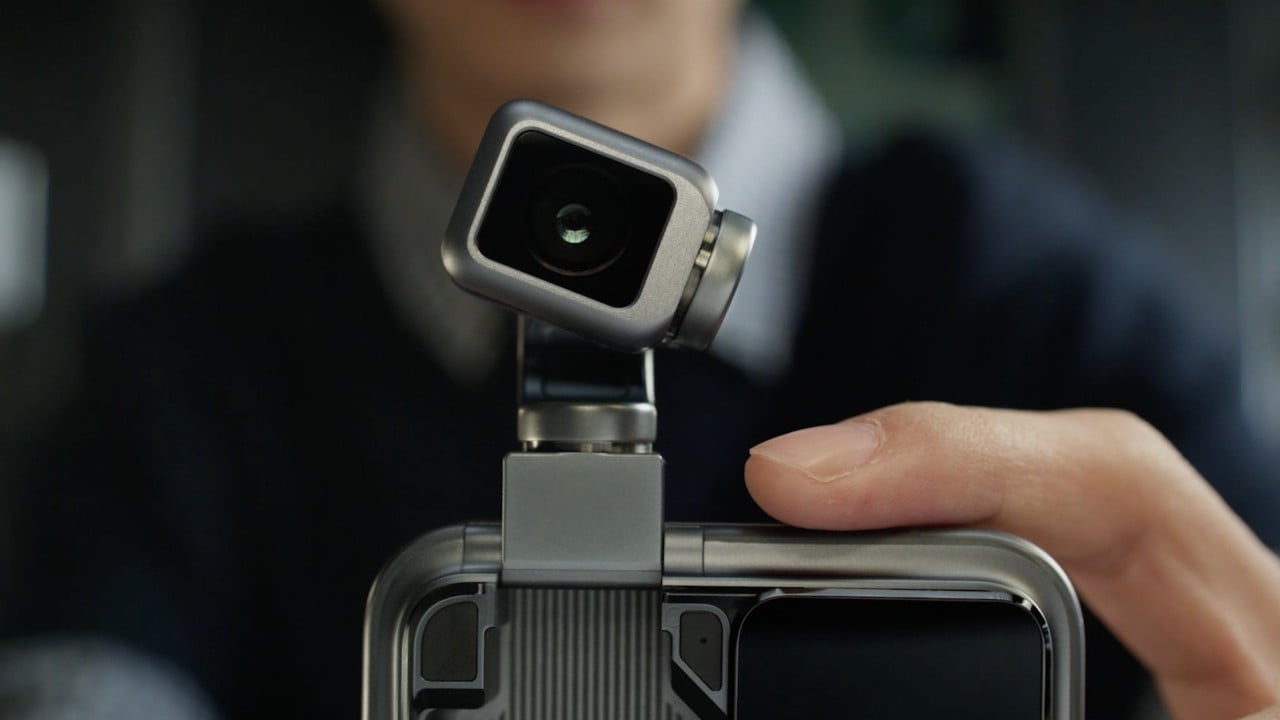
Most of us have seen motorized cameras before, but the Robot Phone is a different beast. It features a robot-grade articulating arm that physically extends from the device. This isn't just for show. It uses what Honor calls "embodied AI" to give the hardware spatial awareness.
The camera system is built around a massive 200MP sensor mounted on a 4-degree-of-freedom (4DoF) gimbal. Because the motor is roughly 70% smaller than industry standards, it actually fits inside a chassis that doesn't feel like a brick. It can track you during a video call as you walk around the kitchen, or nod its "head" (the camera module) to acknowledge a notification.
Why physical motion matters for AI
- Multimodal Interaction: It identifies sounds and gestures, responding with physical "body language" like nods or shakes.
- Cinematic Tracking: The 180-degree rotational movement allows for smooth, professional-grade video transitions that software stabilization can't quite mimic.
- Emotional Intelligence: Honor CEO James Li claims this is about the phone’s "EQ" catching up with its IQ. It's meant to feel like a "warm" intelligent life form rather than a cold tool.
A Humanoid in the House
The bigger surprise was the unnamed humanoid robot. While Tesla’s Optimus has been the poster child for this tech, Honor is positioning its android specifically for the consumer market. Think shopping assistance, workplace inspections, and home companionship.
During the demo, the robot didn't just stand there; it danced and interacted with Li on stage. It's built with bionic joints and balance algorithms that let it hit speeds of 4 meters per second. For context, that’s faster than some of the most famous robots from Boston Dynamics.
The strategy here is the "Alpha Plan." Honor is dropping $10 billion over five years to move from being a phone company to a "terminal ecosystem" company. They aren't just building a robot; they're building a brain that can live in your phone, your tablet, and your walking, talking home assistant.
Breaking the Silicon-Carbon Barrier
While the robots grabbed the headlines, the Magic V6 foldable was the quiet workhorse of the event. It’s where the "boring" tech actually becomes impressive. The device is only 8.75mm thick when folded but manages to cram in a 6,660mAh battery.
That’s possible because of fifth-generation silicon-carbon battery tech. By pushing the silicon content to 25%, they’ve achieved an energy density that makes traditional lithium batteries look ancient. Most competitors are still struggling to cross the 5,000mAh mark in foldables without making the phone as thick as a deck of cards.
Magic V6 Quick Specs
- Thickness: 8.75mm (folded).
- Battery: 6,660mAh Silicon-Carbon.
- Displays: 6.52-inch outer, 7.95-inch inner (6,000 nits peak brightness).
- Durability: IP68 and IP69 ratings, meaning it can handle high-pressure water jets.
Is this actually useful or just MWC theater
It’s easy to dismiss a dancing phone as a gimmick. Honestly, it kind of is. But the underlying tech—the micro-motors, the on-device AI that processes spatial data in real-time, and the advanced battery chemistry—is very real. Honor is trying to solve the "intent" problem.
Samsung and Apple are focused on software-based AI like summarization and photo editing. Honor is betting that the real winner of the AI era will be the company that makes the hardware move. If your phone can autonomously record a perfect cinematic shot of your kid's first steps because it "sees" the movement and tracks it physically, that’s a feature people will actually pay for.
The hardware is impressive, but the software still has that "MagicOS" quirkiness. Honor needs to prove that these devices can talk to each other without a hitch. The "Alpha Lab" they’ve set up is supposed to be the hub for this, but we've heard big promises before.
What you should do next
If you're in the market for a new phone, don't rush to buy the first "AI phone" you see. The Robot Phone is slated for release in the second half of 2026. If you need something now, the Magic V6 is the current gold standard for foldable battery life and thinness. However, if you're intrigued by the idea of a phone that doubles as a robotic cinematographer, wait for the summer reviews to see if that articulating arm can actually survive a week in a dusty pocket.
Keep an eye on the "Alpha Store" rollout. That’s where Honor plans to bridge the gap between their phones and the humanoid robot. If they can make the phone act as the "remote brain" for the robot, they might actually have a shot at unseating the incumbents.