The global energy market is entirely unpredictable. You watch the news, see oil prices swing wildly, and then open your monthly utility bill with a sense of dread. It's a frustrating cycle. You are at the mercy of geopolitical events, supply chain bottlenecks, and corporate pricing strategies. That's exactly why so many homeowners are ditching traditional energy sources and turning to solar panels. They want stability.
But is the shift to solar really a smart financial move right now? Or is it just another trend driven by panic?
I've spent years analyzing the residential energy sector. I installed solar panels on my own house three years ago. I've watched the math change as oil and natural gas prices swung up and down. The reality is that generating your own electricity isn't just an environmental choice anymore. It's a fundamental financial survival tactic.
Let's break down why this shift is happening, what the actual numbers look like, and how you can avoid the expensive mistakes many people make when going solar.
The direct link between oil and electricity prices
Many people assume oil and electricity are completely separate problems. They think oil only runs cars and heats homes in the winter. They don't realize how deeply connected the two energy sources are to one another.
Utility companies burn fossil fuels to generate electricity. When crude oil prices spike, the cost of generating that electricity shoots up immediately. The utility companies simply pass those higher costs on to you. You end up paying more for every kilowatt-hour you pull from the grid.
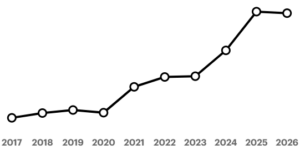
Let's look at the numbers from the last few years. In early 2022, global oil prices surged past one hundred dollars per barrel. Utility rates followed suit, rising by fifteen to thirty percent across the United States. Homeowners who relied entirely on the grid felt the sting immediately.
When you switch to solar, you decouple your home from those wild market swings. The sun doesn't send you a monthly bill with a fuel surcharge. You're locking in your electricity costs for the next two decades.
The geopolitical impact on residential energy costs
The global energy ecosystem is fragile. When conflicts occur across the globe, oil and natural gas supply lines get disrupted. These disruptions cause global energy prices to skyrocket.
Consider the ripple effects of global conflicts. When a major oil-producing region faces instability, the global supply of crude oil drops. This drop causes the price of Brent crude and West Texas Intermediate to climb rapidly. Since many power plants burn natural gas or heavy fuel oil, their operating costs increase. The utility company passes these costs to your home, making your electricity bill higher. You end up paying for global instability.
Installing solar panels disconnects your home from this dependency. Your solar array acts as a personal utility generator. You don't buy fuel from international markets. Your energy source is local and free.
You cannot insulate yourself from these global events if you rely entirely on utility companies. The utility companies simply pass the increased fuel costs down to the consumer.
Installing solar panels on your roof changes this dynamic entirely. Your roof becomes a private power plant. You generate your own electricity right where you use it. You stop competing with global markets for power generation.
The true cost of residential solar today
You've probably heard that solar is expensive. The upfront cost scares people away. Let's look at the actual math behind a residential solar system to see if it makes financial sense.
A standard six-kilowatt to ten-kilowatt residential solar system typically costs between eighteen thousand and thirty thousand dollars before tax credits. That sounds like a massive pile of cash. But let's look at what happens after incentives are applied to the purchase.
The federal government offers the Residential Clean Energy Credit, which allows you to deduct thirty percent of the installation cost from your federal taxes. If your system costs twenty-five thousand dollars, you get seven thousand five hundred dollars back when you file your taxes. That brings the effective cost down to seventeen thousand five hundred dollars.
The upfront cost of a solar system can feel daunting, but let's look at the math from another angle. Think of it as a capital investment in your home's equity, rather than an ongoing expense like a utility bill.
When you buy a solar system, you are essentially pre-paying for twenty-five years of electricity. If your monthly utility bill averages two hundred dollars, you are paying twenty-four hundred dollars a year. Over twenty-five years, that equals sixty thousand dollars. That amount assumes zero inflation in utility rates. If utility rates rise by just four percent annually, that same power will cost you over ninety thousand dollars over the same period.
By spending twenty thousand dollars today on solar panels, you avoid spending that large sum on utility bills. Your return on investment can easily exceed ten percent per year. The savings go directly back into your pocket.
Many homeowners finance these systems with zero-down solar loans. Your monthly loan payment often ends up being lower than your old electric bill. Let's say you pay two hundred dollars a month to the utility company. You might pay one hundred thirty dollars a month for your solar loan. You're saving seventy dollars a month from day one.
Let's also look at state-level incentives. Some states offer Solar Renewable Energy Certificates. In states like New Jersey or Massachusetts, you can earn extra cash by selling these certificates to energy companies that need to meet renewable portfolio standards.
The hidden expenses to watch for
No one talks about the hidden costs when they try to sell you solar panels. The sales reps want you to think it's all sunshine and free energy. You need to know the reality before you sign a contract.
Battery storage is the biggest hidden expense. If you install solar panels without a battery, your system shuts off when the grid goes down. You're also at the mercy of your utility company's net metering policies.
Net metering is the billing mechanism that credits you for the extra electricity you send back to the grid. Many states are changing these rules. In California, a policy called NEM 3.0 drastically reduced the credits homeowners receive for sending solar energy back to the grid.
Because of these changes, adding a battery is becoming a requirement rather than a luxury. A good home battery system, such as a Tesla Powerwall or an equivalent unit, adds ten thousand to fifteen thousand dollars to your total installation cost.
You must factor this into your budget. If you ignore the battery, you might find yourself with a system that doesn't cover your evening energy use when the sun goes down.
Common mistakes homeowners make
I see homeowners make the same three mistakes when switching to solar. Avoid these traps to ensure your investment actually pays off in the long run.
First, people lease their systems instead of buying them. A solar lease means the solar company owns the equipment on your roof. You just buy the electricity from them at a slightly lower rate. You don't get the tax credits, and you don't add equity to your home. Always buy or finance the system yourself if you can.
Second, people fail to check the condition of their roof. Solar panels last for twenty-five to thirty years. If your roof is fifteen years old, you will pay thousands of dollars to remove and reinstall the panels when you replace the roof. Always replace your roof before you install solar panels.
Third, people work with door-to-door salespeople without checking local reviews. You want a local, established installer who handles the permitting process themselves. Large national conglomerates often outsource the work to third-party contractors, which leads to poor installations and long delays.
Comparing solar with the oil market
Let's compare the financial risk of staying with oil or grid electricity versus buying solar for your home.
Oil prices depend on global supply chains, political conflicts, and OPEC production cuts. You can't control any of those things. The price of oil could drop tomorrow, or it could double next year.
Solar energy is a fixed-cost asset. Once you purchase the system, your electricity costs are determined by the price of the hardware and installation. You can calculate your return on investment with absolute certainty.
Let's look at the historical data. Between 2020 and 2026, the price of West Texas Intermediate crude has fluctuated wildly. It dipped into negative territory and then spiked well above one hundred dollars per barrel during international supply chain shocks. Each time crude oil prices spiked, residential electricity rates followed suit with a lag of just a few months.
When you rely on the grid, you are exposed to these price fluctuations. You cannot negotiate your electricity rates with the utility company. They hold a monopoly over your geographic area.
Solar panels provide a reliable alternative. You fix your energy costs for the lifespan of the system. Even if you finance the system with a solar loan, the monthly payment remains constant. You know exactly what your energy will cost in ten years. This predictability gives homeowners peace of mind.
Let's say your average monthly electricity bill is one hundred fifty dollars. Over twenty-five years, assuming a modest three percent annual inflation rate in utility prices, you will pay over sixty-five thousand dollars to the utility company.
If you spend twenty thousand dollars on a solar system after the tax credit, you save forty-five thousand dollars over the lifespan of the panels. The math makes sense.
Understanding panel degradation and maintenance
When you invest in solar, you need to know how the equipment ages. People think solar panels stop working after ten years. This is a common misconception.
Most manufacturers offer a twenty-five-year warranty. These warranties guarantee that the panels will produce at least eighty percent of their original capacity after twenty-five years. The degradation rate is typically less than half a percent per year.
Maintenance is incredibly low. Because the panels are tilted, rain washes away most of the dirt and debris. If you live in a dry climate, you might need to wash them once or twice a year with a garden hose. There are no moving parts, so there is very little to break down.
The inverter, which converts the direct current from the panels into alternating current for your home, is the only component that usually needs replacement after ten to fifteen years. You should set aside a small budget for this future replacement when you calculate your long-term return on investment.
Taking the first step toward energy independence
You don't need to be an engineer to figure this out. You just need to follow a few straightforward steps to get started.
First, pull your utility bills for the past twelve months. Find the total number of kilowatt-hours you used over the year. This tells the installer exactly what size system you need.
Second, get quotes from at least three different solar installation companies. Ask them to break down the cost per watt. Compare the warranties on the panels, the inverters, and the labor.
Third, call your utility company and ask them about their current net metering policies. Find out if they require a battery for grid-tied systems.
The energy market will stay volatile for years. Taking control of your own power generation is one of the smartest financial decisions you can make for your household. Stop waiting for the utility companies to lower your rates. Take the leap and produce your own power.