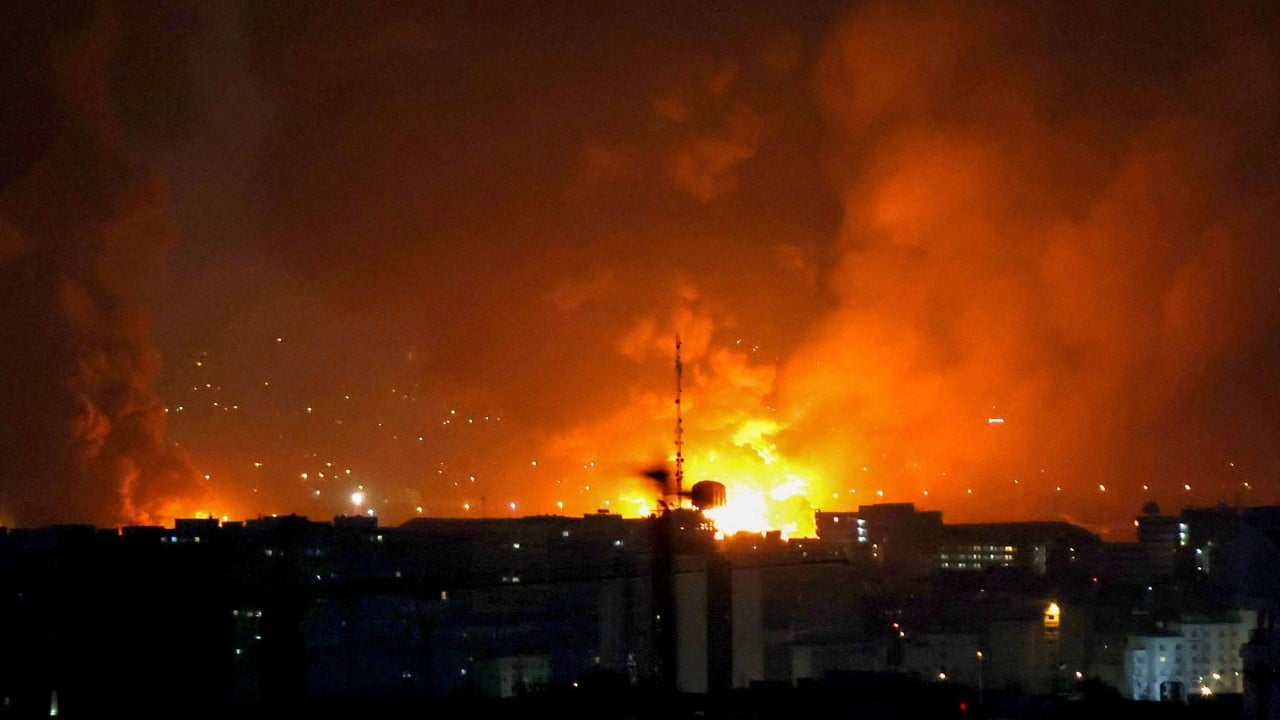
Distance doesn't actually exist anymore. If you have a smartphone and a family back in Tehran, the seven thousand kilometers between Hong Kong and Iran might as well be zero. For the Iranian community living in the shadow of Victoria Peak, the recent escalation of missile strikes and regional warfare isn't just a headline. It's a physiological experience. It’s the vibrating phone at 3 a.m. that makes your heart hammer against your ribs before you even see the notification.
People often think being an expat in a global financial hub offers a layer of protection or a sense of detached safety. They're wrong. When your home country is potentially on the brink of a massive conventional war, the safety of Hong Kong feels like an illusion. You’re eating dim sum in Central while your brain is calculating the flight path of a ballistic missile over your parents' apartment in Isfahan.
The psychological weight is immense. Iranians in Hong Kong are currently living in a state of dual reality. They navigate the high-pressure work culture of one of the world's most intense cities while simultaneously mourning a peace that feels further away than ever. It's exhausting. It’s isolating. And for many, it’s making sleep an impossible luxury.
The Digital Tether and the Death of Peace
Technology was supposed to bring us together, but for the Iranian diaspora, it has become a delivery system for trauma. In years past, news of conflict moved slowly. You waited for the evening broadcast or a weekly paper. Now, the violence is livestreamed.
I’ve talked to professionals in the city—engineers, students, and finance experts—who all say the same thing. They can’t stop checking Telegram. They can’t stop refreshing X. They’re looking for confirmation that the "big one" hasn't happened yet. This constant state of hyper-vigilance isn't just "being informed." It’s a specialized form of torture.
The Iranian community in Hong Kong is relatively small compared to the clusters in London or Los Angeles, which adds a layer of quiet desperation. You’re often the only person in your office who cares that the airspace over Tehran just closed. You’re the only one who knows what it means when certain rhetoric starts coming out of the IRGC. While your colleagues discuss KPIs and weekend plans in Sai Kung, you’re wondering if you’ll ever be able to visit your grandmother again.
Why the Fear is Different This Time
War in the Middle East is an old story, but the current atmosphere feels fundamentally shifted. We aren't looking at "shadow wars" or proxy skirmishes anymore. We are looking at direct state-on-state confrontation. This change in scale has triggered a specific type of ancestral dread.
For many Iranians in their 30s and 40s living abroad, the memories of the Iran-Iraq war aren't distant history. They are the background noise of their childhood. The sound of sirens. The tape on the windows to prevent glass from shattering. When they see the current headlines, those sensory memories come rushing back. It’s not just about politics; it’s about the very real possibility of seeing the cities they love reduced to rubble.
The threat of total war also brings a crushing sense of powerlessness. If you’re in Hong Kong, what can you actually do? You can’t send money easily because of sanctions. You can’t fly home because the airlines are canceling routes. You’re stuck in a gilded cage of stability, watching a house fire through a telescope.
The Social Cost of Being Iranian in a Global City
Hong Kong is a city that prides itself on being "Asia’s World City," but it can be a lonely place when your country is a pariah in the eyes of the West. Iranians here often find themselves playing the role of an unofficial diplomat. They have to explain that no, they don't support the government. No, they don't want war. Yes, their family is terrified.
This constant labor of explanation is draining. It creates a barrier between the individual and the city they live in. You start to feel like a ghost. You’re physically present in a boardroom in International Commerce Centre, but your spirit is wandering the streets of Shiraz, checking the faces of strangers for signs of panic.
The stress also manifests in physical ways. I’ve heard reports of chronic migraines, sudden weight loss, and, most commonly, chronic insomnia. When you do sleep, the dreams aren't about work. They’re about missed phone calls. They’re about the sound of explosions that you’ve only ever heard through a YouTube clip but now feel like they’re happening in the next room.
The Myth of Professional Detachment
There’s a toxic idea in high-performance cities like Hong Kong that you should "leave your problems at the door." That’s a lie. You can’t leave a potential regional war at the door. When a person is worried about the physical survival of their siblings, their productivity isn't going to be at 100%.
Companies in Hong Kong need to wake up to the reality of their international workforce. Global events have local consequences. If you have employees from conflict zones, their "distraction" isn't a lack of discipline. It’s a legitimate crisis response. Expecting them to carry on as if nothing is happening is not just unrealistic; it’s cruel.
Finding Community in the Chaos
Despite the fear, the Iranian community in Hong Kong is finding ways to hold on. Small gatherings, shared meals, and encrypted group chats provide a lifeline. In these spaces, they don't have to explain why they look tired. They don't have to justify their anxiety. Everyone already knows.
There’s a specific kind of comfort in being around people who understand the nuance of the situation. They know the difference between the people and the state. They understand the deep, aching love for a culture that is often overshadowed by its political struggles. These connections are what keep people grounded when the news cycle tries to sweep them away.
Practical Steps for Managing Displacement Trauma
If you’re part of this diaspora or any community facing similar regional instability, you have to protect your sanity. It’s not a luxury; it’s a necessity for survival.
- Set a News Diet: Checking the news every ten minutes won't change the outcome of a missile launch. It will only ruin your nervous system. Pick two times a day to check credible sources, then close the tabs.
- Acknowledge the Grief: Don't tell yourself you "shouldn't" feel this way because you’re safe in Hong Kong. Geographical safety doesn't cancel out emotional trauma. Let yourself be angry and scared.
- Focus on the Tangible: Control what you can. Reach out to family through secure channels. Organize your documents. Maintain your routine in the city. Small acts of agency can combat the feeling of helplessness.
- Seek Specific Support: General therapy is great, but look for professionals who understand the specific trauma of displacement and political instability.
The situation in the Middle East is fluid and terrifying. There are no easy answers, and there's no way to flick a switch and stop being afraid. But recognizing that this fear is a shared burden makes it slightly easier to carry. You aren't crazy for being unable to sleep. You aren't weak for feeling overwhelmed. You're a person with a heart that is currently in two places at once, and that is an incredibly difficult way to live.
The best thing you can do right now is reach out to one person who understands. Don't scroll. Call. Talk about anything other than the targets or the drones. Remind yourself that there's a world outside the screen, even if the world inside the screen is currently on fire.