The High Price of Cosmetic Diplomacy
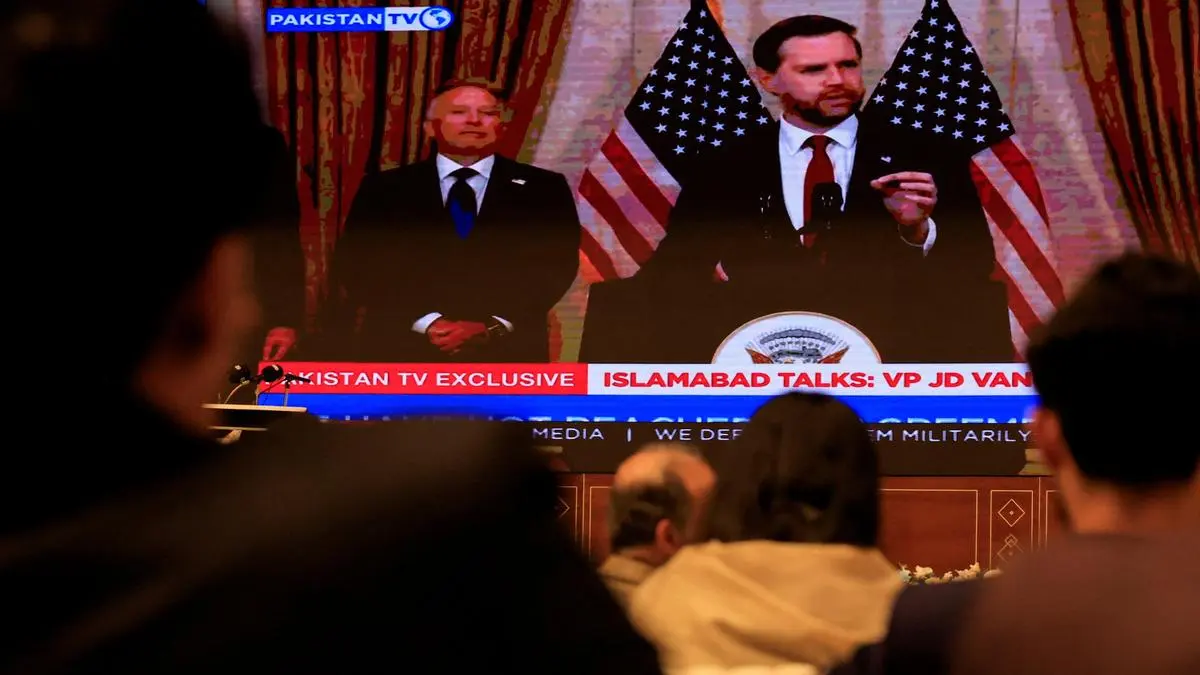
Diplomacy is not a therapy session. The media is currently obsessed with the narrative that JD Vance’s recent engagement with Iranian representatives has "built goodwill." This is a fundamental misunderstanding of how hard-line regimes operate. You don’t build goodwill with an ideological adversary that views every concession as a tactical retreat by a weakening hegemon. You build leverage.
The competitor reports on this as if we’re watching a corporate team-building retreat. They suggest that "opening channels" is a win in itself. It isn’t. In the world of high-stakes geopolitics, an open channel without a credible threat is just a funnel for disinformation and stalling tactics. I’ve watched negotiators waste years on "confidence-building measures" while the other side used that exact window to harden their underground enrichment facilities.
Goodwill is the participation trophy of international relations. It has no value on the open market. It cannot be traded for a halt in centrifuge spinning or a cessation of proxy funding. When we praise "goodwill," we are effectively praising our own willingness to be stalled.
The Myth of the Rational Actor
The core flaw in the current analysis is the assumption that Tehran is looking for a way back into the international fold. They aren't. The Iranian leadership is perfectly comfortable in the friction. They have spent decades perfecting the art of "asymmetric endurance."
While Vance sits across the table, the Iranian strategy remains fixed:
- Sanction Erosion: Use the optics of "goodwill" to pressure European allies into loosening enforcement.
- Technological Creep: Advance R&D in dual-use technologies while the diplomats argue over the seating chart.
- Regional Leverage: Maintain the capability to ignite or dampen conflict in the Levant at will to maintain a seat at the table.
If you think a few rounds of polite talks change this calculus, you are ignoring forty years of history. Diplomatic "progress" is often just the sound of a clock ticking in favor of the status quo.
The Silicon Valley Blind Spot
Vance brings a specific Silicon Valley ethos to Washington: the idea that every problem is a bug that can be patched with the right conversation or the right "disruption." But statecraft isn't a Series A pitch. You can't "move fast and break things" when the thing you’re breaking is the global security architecture.
The tech-adjacent crowd loves the idea of the "deal." They think if you just get the principals in a room, away from the "deep state" bureaucrats, you can hack a solution. This overlooks the reality that bureaucrats exist to provide continuity. When you bypass them for a "bro-diplomacy" approach, you lose the institutional memory required to catch when a treaty sub-clause is being exploited.
I’ve seen founders try to negotiate with hostile competitors using this same "let's just be real with each other" approach. It works for about five minutes until the lawyers show up and realize the founder just signed away the IP. In Tehran, the "lawyers" are the IRGC, and they don't care about your vibe.
Deconstructing the "Channel" Fallacy
People ask: "Isn't it better to talk than to fight?"
This is a false binary. The real question is: "Does talking right now make a fight more or less likely in the future?"
History suggests that premature diplomacy—talking before the other side has felt enough pain to change their core objectives—actually increases the risk of war. It creates a "stability illusion." You think you’ve reached an understanding, so you let your guard down. Meanwhile, the adversary is simply using the quiet to prepare for the next escalation.
Look at the technology of modern warfare. We aren't just talking about tanks anymore. We are talking about cyber-capabilities, drone swarms, and satellite interference.
- Electronic Warfare: If Iran knows we are committed to "goodwill," they can test the limits of our cyber-defenses with less fear of a kinetic response.
- Drone Proliferation: While we talk, their export of loitering munitions to various theaters continues unabated.
Talks are a tool, not a goal. When you treat the tool as the goal, you’ve already lost the negotiation.
The Data of Defiance
Let's look at the numbers the "goodwill" crowd ignores. Total Iranian oil exports have actually climbed during periods of "increased diplomatic engagement."
$$E_{total} = \sum (V_{legal} + V_{shadow})$$
Where $V_{shadow}$ represents the "ghost fleet" shipments that Western powers often ignore when they are trying to "build goodwill." By turning a blind eye to these shipments to keep the "atmosphere" of the talks positive, we are providing the very capital Iran needs to fund the activities we want them to stop.
We are literally paying for the privilege of being ignored at the negotiating table. This isn't strategy; it’s a subsidy.
The High Cost of Being "The Adult in the Room"
There is a pervasive desire in the West to be seen as the "reasonable" party. This is a massive tactical error. In a negotiation with a revolutionary power, being "reasonable" is interpreted as being "exhausted."
Vance’s team likely believes they are showing strength by engaging. In reality, they are showing that the U.S. is desperate for a win—any win—to show the domestic electorate. The Iranians know how to play the American election cycle like a fiddle. They know that an incumbent or an aspiring leader needs a "foreign policy success." They will sell us the appearance of success for the reality of hard currency and time.
The Intelligence Gap
One of the most dangerous aspects of this "goodwill" narrative is how it affects intelligence collection. When the political directive is to "find a path to peace," there is an implicit pressure on the intelligence community to highlight "moderating influences" and downplay "provocations."
I have seen this movie before. We start ignoring the satellite imagery of new tunnel construction because "it might derail the talks." We stop tracking the movement of specific IRGC commanders because "we don't want to send the wrong signal."
Goodwill is the fog in which threats grow.
Stop Asking if Talks Are "Helpful"
The question itself is flawed. "Helpful" for what?
- Helpful for Vance’s image as a statesman? Perhaps.
- Helpful for the Iranian economy? Definitely.
- Helpful for long-term regional stability? Unlikely.
The unconventional truth is that the most "peaceful" thing a superpower can do is remain unpredictable and expensive to cross. The moment you become "reliable" and "open to dialogue" regardless of the other side's behavior, you become a resource to be managed, not a power to be respected.
The Actionable Alternative: Strategic Silence
Instead of "building goodwill," we should be practicing strategic silence.
- Decouple the Optics: Stop the high-profile summits that give the regime legitimacy.
- Automated Enforcement: Shift sanctions from a political lever to an automated technical reality. If a tanker’s transponder goes dark, the registered owner's assets are frozen. No debate. No "goodwill" exceptions.
- Technological Containment: Focus on neutralizing the capabilities of the regime through cyber and electronic means rather than trying to change their intentions through conversation.
You cannot talk an ideologue out of a mission they believe is divinely or historically mandated. You can only make the cost of pursuing that mission higher than they can afford to pay.
The Brutal Reality of the Deal
If a deal is reached under the current "goodwill" framework, it will be a "paper tiger" agreement. It will contain enough technical jargon to sound impressive to a layman but enough loopholes to be useless in practice.
Imagine a scenario where we agree to lift sanctions in exchange for "enhanced monitoring." Within six months, the monitors will be denied access to "sensitive military sites" (which is where the actual work happens), and we will be told that complaining about it would "violate the spirit of the agreement."
This isn't cynicism; it's a projection based on every major diplomatic engagement with a pariah state in the last half-century. From North Korea to the previous iterations of the JCPOA, the pattern is identical. The West buys a temporary sense of security with permanent concessions.
The competitor's article wants you to feel good about JD Vance’s "progress." I’m telling you that "progress" is the sound of the trap snapping shut.
Stop looking for goodwill in a graveyard of treaties. Start looking for the exit strategy.