The world’s favorite economic campfire story is the "fragile supply chain." You’ve heard it a thousand times. A ship gets stuck in the Suez Canal, or a drone buzzes a tanker in the Bab el-Mandeb, and suddenly, the professional punditry starts screaming about the end of the world. They call these narrow stretches of water "the Achilles' heel of the global economy." They treat every narrow passage—be it the Strait of Hormuz or the Malacca Strait—as a ticking time bomb that will inevitably blow up your retirement fund and double the price of your morning latte.
They are wrong.
The obsession with chokepoint vulnerability is a lazy narrative pushed by analysts who don't understand the difference between a temporary price spike and a systemic failure. These narrow corridors aren't the problem. They are the filter. They are the very thing that forces the global economy to be efficient, lean, and—contrary to popular belief—antifragile. If we lived in a world of wide-open oceans with no geographic constraints, the global shipping industry would be a bloated, unregulated mess of infinite waste.
The Myth of the Global Collapse
Whenever a vessel blocks a canal, the media pulls out the same tired infographic showing the "billions of dollars per hour" being lost. This is a fundamental misunderstanding of how trade works. That value isn't "lost." It’s delayed.
I spent years sitting in rooms with logistics directors who lived in a state of constant panic over these "bottlenecks." I watched them burn millions of dollars on air freight and "just-in-case" inventory because they feared a two-week delay at a canal. The reality? The market always corrects. The ships reroute around the Cape of Good Hope. The lead times stretch. The world keeps spinning.
The "turmoil" people fear is actually the sound of the system working. Prices go up, demand drops, and the most efficient players survive. When the Suez was blocked by the Ever Given, the sky didn't fall. The industry realized it had too much reliance on a single path and started diversifying. The chokepoint was the catalyst for resilience, not the cause of ruin.
Why Redundancy Is a Financial Trap
The standard "expert" advice is to build massive redundancy. "Stop relying on these narrow straits!" they cry. "Build more pipelines! Ship across land! Reshore everything!"
This is the equivalent of telling a marathon runner to carry five extra liters of water just in case they miss one hydration station. It’s a weight that kills performance.
- Efficiency requires constraints. The reason we use chokepoints is that they are the shortest distance between two points. Deviating from them is an admission of failure.
- The "Reshoring" Illusion. Moving manufacturing back to high-cost regions doesn't fix the supply chain; it just moves the bottleneck to the labor market and the power grid. You aren't "securing" your business; you're just trading a maritime risk for a domestic one.
- The Cost of Safety. If you avoid every chokepoint, you increase carbon emissions, fuel consumption, and labor costs by 30% or more. The "stability" you buy is actually just a slow-motion tax on the consumer.
The truth that nobody admits is that the global economy thrives on the tension these chokepoints create. They force innovation. They gave birth to the mega-container ship and the sophisticated tracking algorithms we use today. Without the pressure of these narrow passages, we’d still be shipping goods like it was 1950.
The Geopolitical Theater of Fear
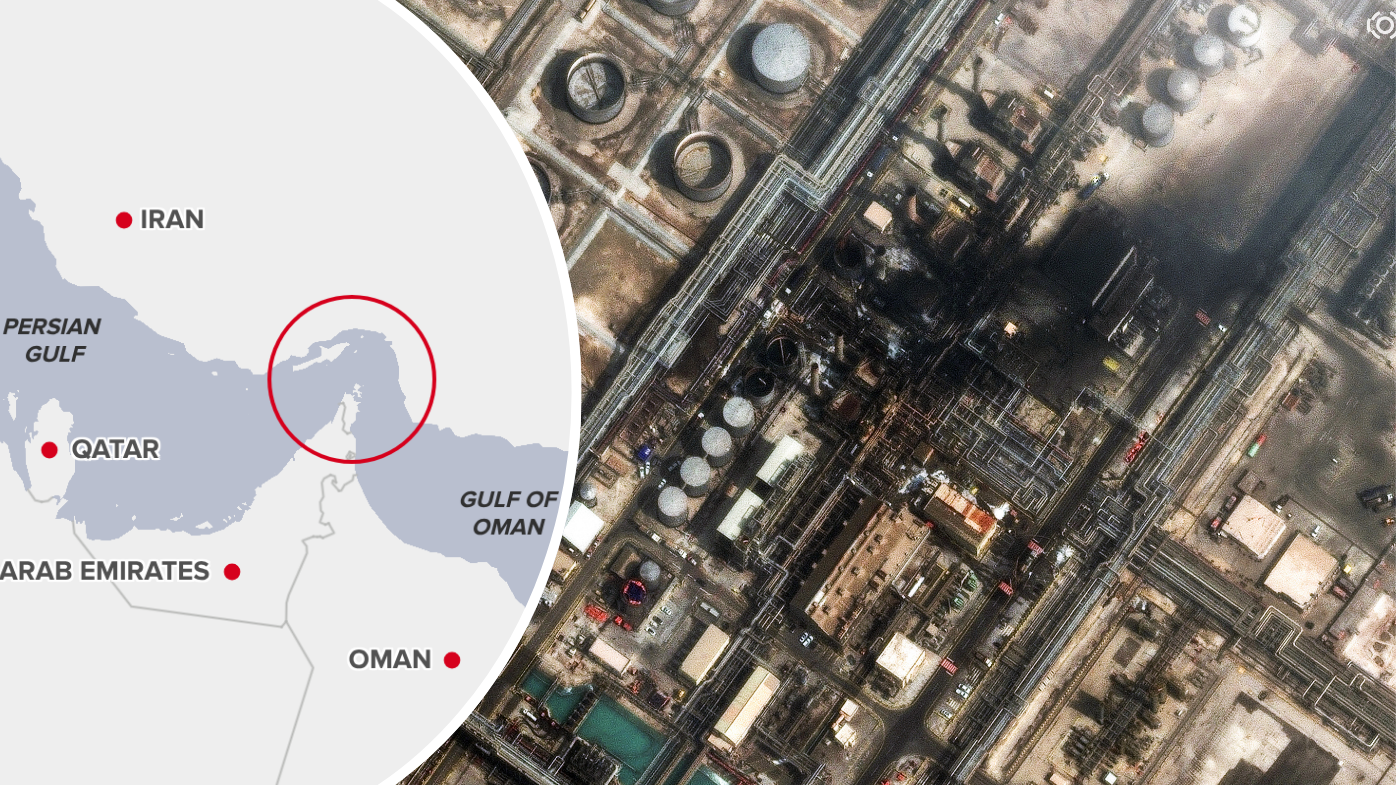
Let’s talk about the "threat" of a complete shutdown. Pundits love to speculate about a total blockade of the Strait of Hormuz. It’s the ultimate "black swan" event. Except it isn't.
A total, permanent closure of a major chokepoint is a geopolitical impossibility. Why? Because the very nations that would try to close them—Iran, Yemen, or any other regional power—rely on those same waters for their own survival. Blocking the flow of oil or goods is a suicide pact, not a strategic victory.
The "turmoil" is almost always a controlled burn. It’s theater designed to spike oil prices or gain leverage in a treaty. When you understand that these "threats" are actually negotiations by other means, you stop worrying about the world economy collapsing and start looking for the buy-the-dip opportunities.
The Real Bottleneck is Digital, Not Physical
While everyone is staring at a satellite map of the Red Sea, they are ignoring the actual chokepoints that matter. The physical world is easy to navigate. You can always sail around Africa. You cannot "sail around" a centralized cloud server failure or a massive hack of the Baltic Exchange’s data.
The true fragility isn't in a stretch of water. It’s in:
- Centralized Port Software: A handful of companies control the operating systems for every major port on earth. If those go down, a wide-open ocean won't save you.
- The Insurance Cartel: A few Lloyd’s syndicates decide which ships can sail and where. They have more power to shut down global trade than any navy.
- The Talent Gap: We are running out of people who actually know how to pilot a 200,000-ton vessel through a storm. That’s a human chokepoint no one wants to talk about.
Stop Trying to Fix the Ocean
The call to "secure the seas" usually ends up being a call for massive military spending and intervention. This is a fool’s errand. You cannot secure every inch of water. You shouldn't want to.
The risk is the point.
High-risk environments weed out the amateurs. They reward the companies that have the stomach for volatility and the capital to weather a storm. If you want a perfectly safe, perfectly predictable global trade route, you are asking for a stagnant economy where no one wins.
The chokepoints aren't the enemy. They are the pressure cooker that makes the global market work. If you’re a CEO or an investor, stop looking for ways to bypass the bottlenecks. Start looking for ways to exploit the overreaction of those who are terrified of them.
Buy when the tankers are queuing. Sell when the water is calm.
The next time you see a headline about a "tiny stretch of water" threatening the world, remember: the only thing actually being threatened is the comfort of people who thought the world was supposed to be easy.
It’s not. It’s a fight. And the chokepoints are where the winners are decided.
Stop crying about the narrow water and learn to navigate the squeeze.
_