Everyone expected the worst. When the latest conflict flared up in the Middle East, the standard playbook suggested $150 barrels of oil and $7 gallons of gas. It didn’t happen. You’ve probably noticed that while things are messy, the global economy hasn't fallen off a cliff. The reason isn't just luck. It's a weird, unspoken cooperation between the world’s two biggest energy consumers—China and the United States.
They didn't sign a treaty. They didn't even have to like each other. But through a mix of massive domestic production and some very shrewd strategic reserve management, these two giants managed to put a lid on a pot that should’ve boiled over months ago.
The American Drilling Machine
While everyone was looking at OPEC+ cuts, the United States quietly became the world's biggest oil producer. It’s not even close anymore. U.S. crude production hit record highs of over 13 million barrels per day. That’s more than Saudi Arabia or Russia. This surge acted as a massive buffer. When the Middle East got volatile, the market knew there was a steady stream of "shale gale" oil coming out of the Permian Basin to pick up the slack.
The Biden administration also used the Strategic Petroleum Reserve (SPR) as a tactical weapon. By releasing millions of barrels during peak uncertainty, they signaled to traders that they wouldn't let a supply squeeze happen. It was a gamble. Some said it left the country vulnerable. In reality, it broke the back of the speculators who were betting on a price spike. They basically told the market, "We have more than enough, so don't even try it."
China’s Massive Safety Net
Across the Pacific, China was playing a different game. They’ve been quietly building the world’s largest oil inventory for years. Estimates from groups like the International Energy Agency (IEA) suggest China has enough oil in storage to last for months if every shipment stopped tomorrow.
When prices started to creep up due to the Middle East tension, China simply stopped buying as much. They dipped into their own stockpiles instead of competing for expensive barrels on the open market. Since China is the world's largest importer, their lack of appetite killed the upward momentum of prices. It’s a classic supply and demand move. If the biggest buyer stays home, the price can't stay up.
They also leaned hard into their "new three" industries: electric vehicles, lithium-ion batteries, and solar products. Every Tesla or BYD hitting the streets in Shanghai is a car that doesn't need Middle Eastern oil. This structural shift is real. It’s not just a trend. It’s a permanent reduction in how much the world’s second-largest economy relies on the Persian Gulf.
The Weak Link in the Oil Shock Theory
We used to think the Middle East could hold the world hostage. That was the 1973 mindset. Today, the math is different. The global economy is way less "oil-intensive" than it used to be. We produce more GDP per barrel of oil today than at any point in history.
Plus, the shipping routes are more resilient. Even with the chaos in the Red Sea and the Suez Canal, tankers found ways around. It adds a few bucks to the shipping cost, but it doesn't stop the flow. The "oil shock" of the past relied on a total cutoff. Nowadays, there's always someone willing to sell and a way to get it delivered.
Why Speculators Lost Their Shirts
Traders love a good war. It’s an easy narrative to sell. "War in the Middle East equals $120 oil." It’s a simple formula that worked for decades. This time, the fundamentals slapped them in the face.
- Non-OPEC supply is booming (Guyana, Brazil, Canada).
- Demand is softening in Europe and parts of Asia.
- The U.S. dollar stayed strong, making oil more expensive for everyone else and naturally curbing demand.
Speculators were forced to liquidate their long positions when they realized the "big spike" wasn't coming. This selling pressure actually helped push prices lower even as the geopolitical news stayed grim. Honestly, it’s a bit of a reality check for the "doom and gloom" crowd.
The Unlikely Alliance
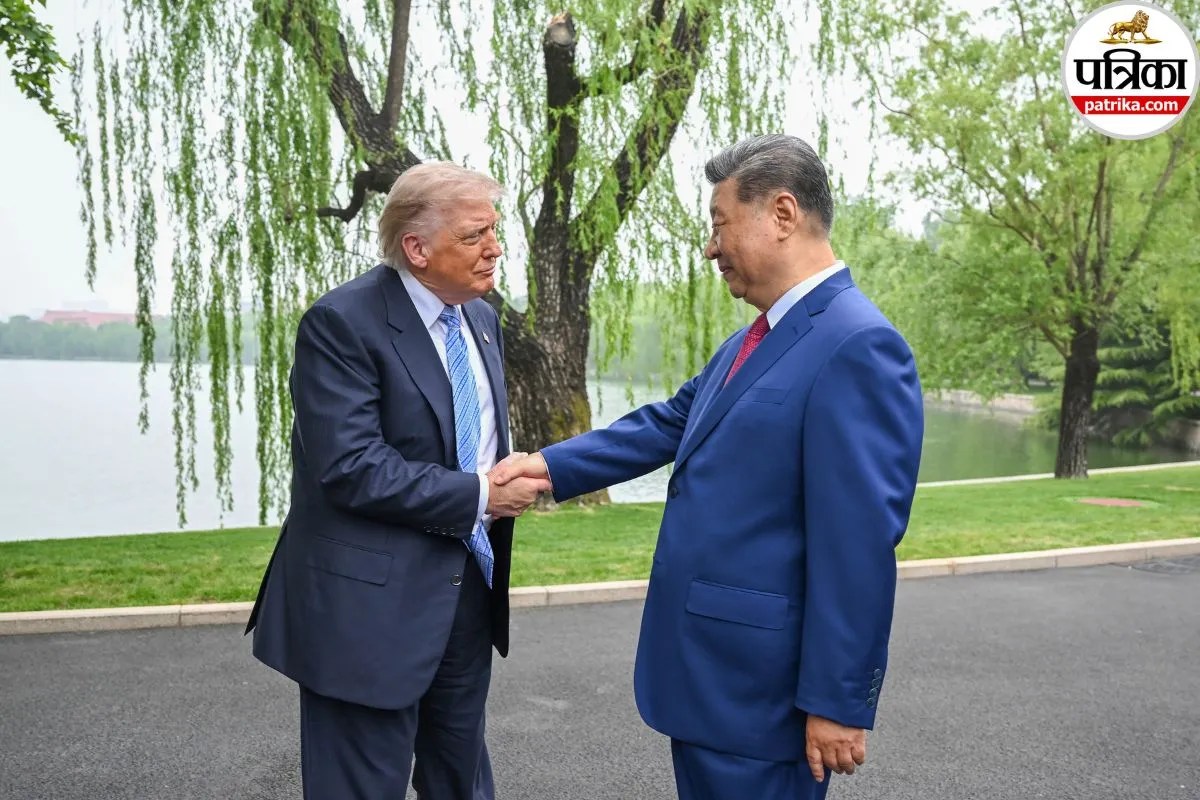
You won't see a joint press release from Washington and Beijing about this. Their relationship is strained, to put it mildly. But on energy stability, their interests aligned perfectly. Both countries need stable, affordable energy to keep their domestic economies from tanking.
The U.S. wants to keep inflation down so people can afford groceries. China wants to keep its factories running without paying a premium for fuel. They both acted in their own self-interest, and the byproduct was a stabilized global market. It’s a rare example of "functional friction." They’re fighting over chips and Taiwan, but they’re both making sure the lights stay on.
What This Means for Your Wallet
The era of the $100 barrel of oil isn't over forever, but the bar to get there is much higher now. You shouldn't expect a massive drop in gas prices, but you also shouldn't lose sleep over a sudden $2 jump overnight. The buffer is too thick.
If you're watching the markets, keep an eye on U.S. weekly production numbers and China's monthly import data. These are the two most important dials on the global dashboard. As long as U.S. drillers keep pumping and China keeps its storage tanks full, the Middle East "premium" will stay a lot smaller than it used to be.
Keep an eye on the "OPEC+ vs. Everyone Else" dynamic. The cartel is trying to keep prices up by cutting production, but they're losing market share to the Americans and Brazilians. They're in a tough spot. If they cut more, they lose more money. If they pump more, the price crashes. It's a win for you at the pump.
Start looking at energy stocks that aren't just tied to the price of crude. Companies focused on infrastructure and efficiency are the ones winning in this high-supply, moderate-price world. The game has changed. Don't get caught using a 1970s map to navigate a 2026 economy.