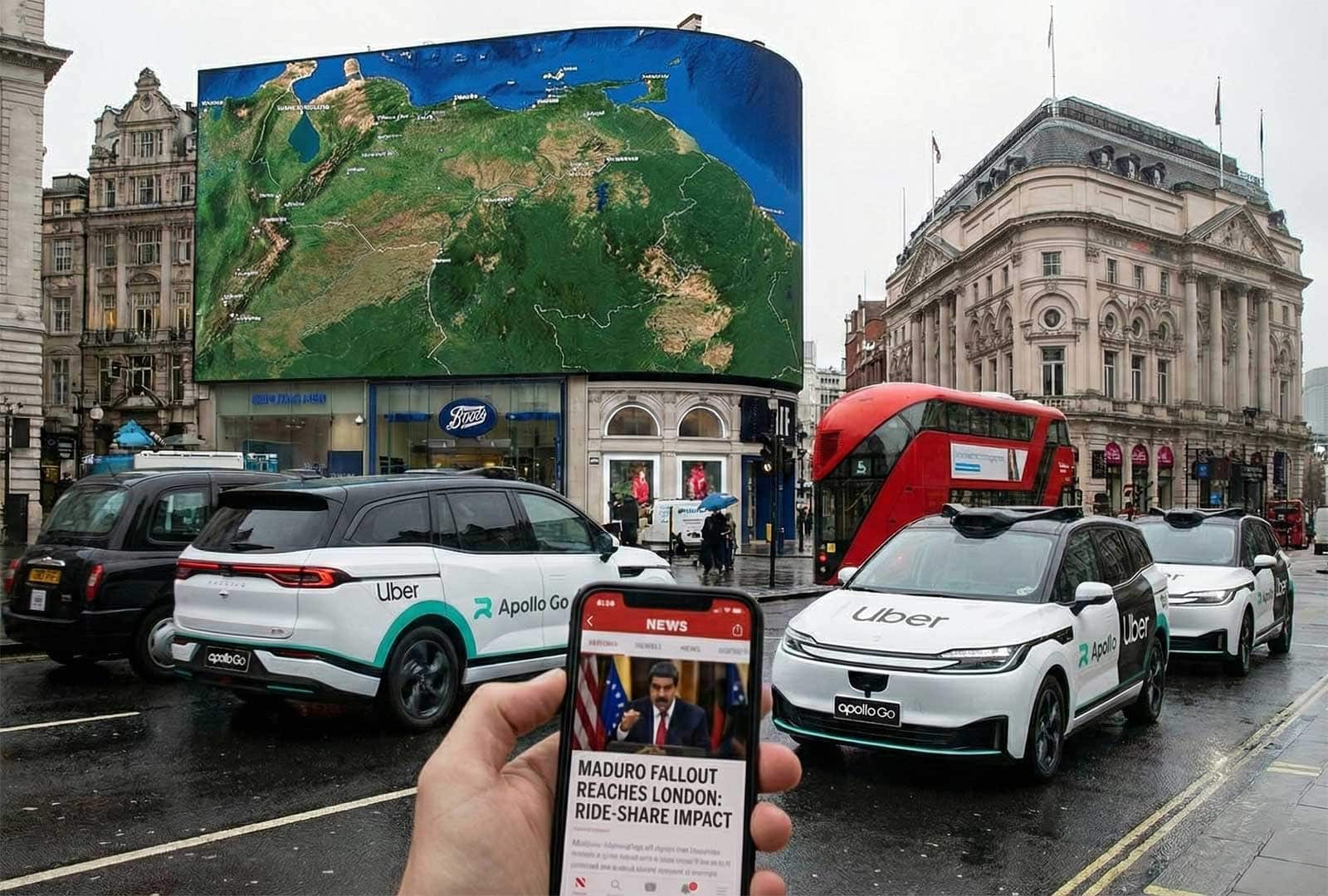
The rain in Mayfair doesn't wash anything away. It just makes the black cabs look shinier. Below the surface, in the windowless basements where the real machinery of the city hums, the air is thick with the scent of expensive cologne and old damp. London is not falling in the way a tree falls. It is sinking. It is a slow, elegant descent into a gravity of its own making, fueled by the very wealth that was supposed to save it.
I remember standing outside a boutique on Bond Street, watching a courier deliver a package to a woman whose coat cost more than a paramedic’s annual salary. She didn’t look at him. He didn’t look at her. They were two different species inhabiting the same geography. That is the tragedy of the modern capital. The city has become a sprawling, high-end waiting room for the global elite, while the people who actually make the tea, drive the trains, and scrub the floors are being pushed further and further toward the horizon.
The Ghost Mansions of Highgate
Wealth is supposed to be liquid. It should flow through the veins of a city, keeping the shops open and the parks green. But in London, wealth has become a solid. It’s frozen in bricks and mortar.
Consider the "ghost mansions" of Billionaire’s Row. These aren't homes. They are safety deposit boxes made of Portland stone. Many stand empty for ten months of the year, their heated driveways melting snow that no tires will ever touch. When a house becomes an asset class rather than a place to live, the neighborhood dies. The local baker closes because nobody needs bread. The dry cleaner shutters because the owners have their laundry done in Zurich or Doha.
The data tells us that thousands of properties in the capital are registered to overseas companies in tax havens. That’s a statistic. The reality is the silence. Walk through Belgravia at 9:00 PM on a Tuesday. It is eerily quiet. No flickering blue light from televisions. No sound of laughter through open windows. Just the hum of security systems protecting empty rooms. We have traded the soul of our streets for the stability of the pound.
The Ledger of Human Cost
To understand the stakes, you have to look at the people caught in the gears. Let's talk about Sarah. She isn't a real person, but she is a composite of a dozen teachers and nurses I’ve interviewed over the last three years.
Sarah wakes up at 5:00 AM in a flat in Luton. She spends two hours on a train and a bus to reach a school in Chelsea. She teaches the children of oligarchs and tech moguls. By the time she gets home, her own children are often asleep. She is the literal glue holding the community together, yet she cannot afford to buy a coffee in the neighborhood where she works.
The "London premium" used to be a badge of honor. Now, it’s a tax on existence. Small businesses—the quirky bookstores, the family-run cafes, the independent workshops—are being squeezed out by rent hikes that defy logic. When a landlord demands a 40 percent increase because a private equity firm bought the block, the business doesn't just "pivot." It vanishes. And with it, a piece of the city’s identity is erased.
The Dark Alchemy of Finance
Money in London has a specific gravity. It pulls everything toward the center. The Square Mile is a marvel of human ingenuity, a place where trillions move at the speed of light. But there is a dark alchemy at play. For decades, the city has acted as a giant filter for the world's "grey" money.
We looked the other way because the dividends were too high. We allowed the property market to become a laundry mat. It felt like a victimless crime until the prices moved out of reach for an entire generation. Now, the young professionals who used to flock here for opportunity are looking at the math and walking away. They are moving to Manchester, Berlin, or Lisbon. They are tired of paying 60 percent of their take-home pay for a room in a shared house with a mold problem and a landlord who lives in a different time zone.
The brain drain isn't a trickle anymore. It’s a steady leak. If the builders, the thinkers, and the creators leave, what is left? A hollowed-out museum of Victorian architecture and glass shards.
The Myth of the Global Hub
We were told that being a "global hub" was the ultimate goal. That if we attracted enough capital, the prosperity would trickle down. It didn’t. It pooled.
The infrastructure is cracking under the weight of its own success. The Central Line is a furnace in the summer. The sewers, designed by the brilliant Joseph Bazalgette in the 19th century, are struggling to cope with a population that has exploded while the investment in basic services has lagged. We have the most sophisticated financial instruments on Earth, yet we can’t seem to fix a pothole in Peckham or ensure that a social worker can live within five miles of their cases.
The invisible stakes are the social ties that are snapping. When you lose the "middle," you lose the friction that creates culture. Culture isn't something that happens in a boardroom. It happens in the messy, affordable spaces where people from different backgrounds collide. As those spaces are bulldozed for "luxury lifestyle apartments," the city becomes a monoculture. It becomes boring. And for a city like London, being boring is a death sentence.
The View from the Shard
If you go to the top of the Shard on a clear day, the city looks invincible. It stretches out in every direction, a glittering testament to human ambition. From that height, you can't see the damp in the social housing blocks in Brixton. You can't see the queues at the food banks in Tower Hamlets. You can't see the desperation of the small business owner staring at a final notice.
But the view from the top is a lie. A city is not its skyline. A city is a social contract. It’s an agreement that if you contribute, you can belong. That contract is being shredded in real-time.
We have allowed the market to become our master instead of our tool. We have prioritized the rights of a non-resident investor over the needs of a resident nurse. This isn't just bad policy; it’s a failure of imagination. We have forgotten that a city is a living organism, and if you cut off the circulation to its extremities, the heart will eventually stop.
The tragedy isn't that London is changing. Cities always change. The tragedy is that it is becoming a place that knows the price of everything and the value of nothing. It is a masterpiece with a rot in the frame.
The sun sets over the Thames, turning the water the color of a bruised plum. The lights flicker on in the towers of Canary Wharf, signaling another night of high-frequency trading and global commerce. On the streets below, a young woman zips up her jacket against the chill, looks at her banking app, and realizes she can’t afford to stay another year. She walks toward the station, her footsteps echoing against the cold, expensive stone. She doesn't look back.
The city remains, magnificent and indifferent, waiting for the next deposit.