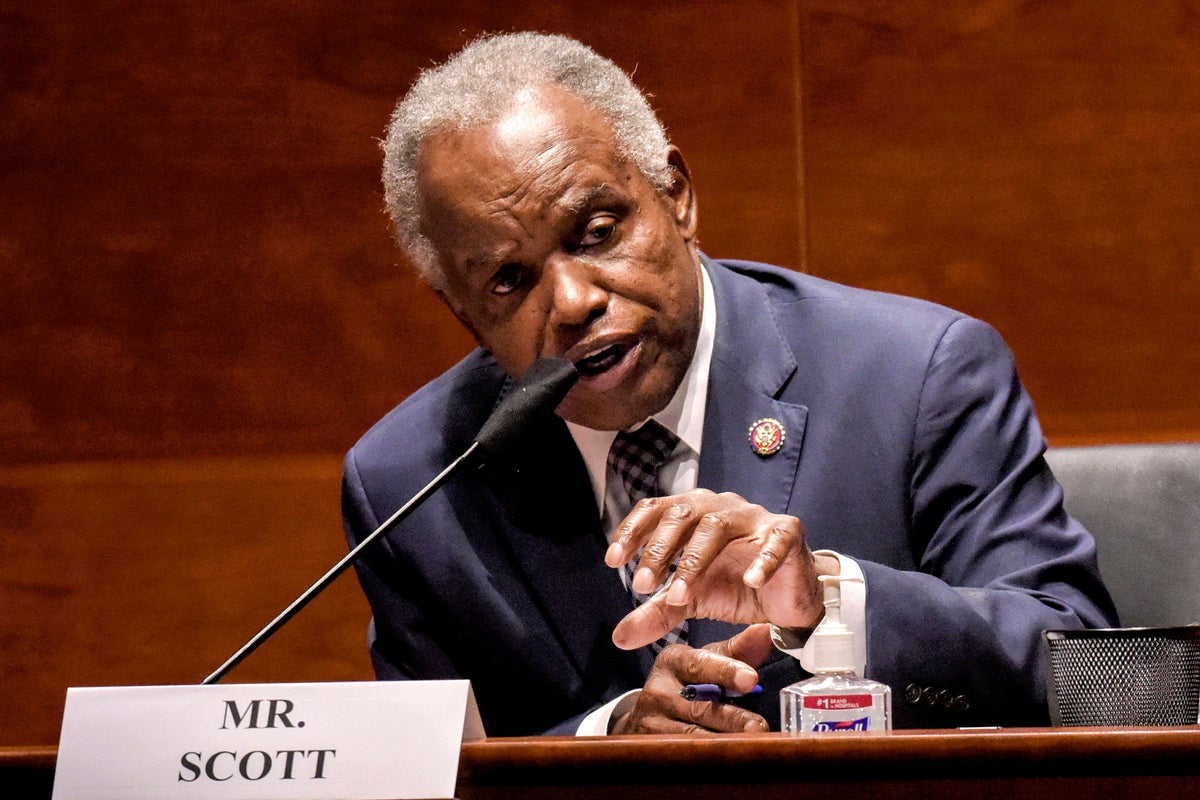
Congressman David Scott didn't just hold a seat in Washington for two decades. He owned it. The news of his death at age 80 marks the end of a long, often complicated era for Georgia’s 13th Congressional District. He passed away while in the middle of a reelection bid, leaving a massive void in the House Agriculture Committee and a sudden scramble for power in a district that stretches from the Atlanta suburbs to the rural edges of the state.
Scott’s legacy is a mix of old-school southern politicking and a relentless focus on the business of farming. People often forget that while he represented a district with plenty of suburban sprawl, he was the first Black chairman of the House Agriculture Committee. That wasn't just a title. It was a shift in how the country looks at who grows our food and who gets to make the rules about it.
The Impact of a Legislative Titan
David Scott spent twelve terms in the House. You don’t stick around that long without knowing how to play the game better than everyone else in the room. He was a moderate Democrat in a party that shifted significantly to the left during his tenure. He didn't always follow the party line. He followed his own compass, which sometimes frustrated the more progressive wings of the Democratic party but kept him winning by landslides back home.
His work on the 2018 Farm Bill is probably his most concrete achievement. He pushed for millions in funding for student scholarships at 1890 land-grant African American colleges. He understood that if the next generation of farmers doesn't have a path to education, the whole system crumbles. He stayed focused on those 1890 institutions because he knew they were the backbone of Black agricultural history.
A Complicated Final Campaign
We have to talk about the reality of his final years. There were questions. Voters and pundits alike whispered about his health for several election cycles. He faced primary challengers who argued it was time for new blood. Yet, Scott kept winning. He beat back those challenges because his constituents trusted his seniority. In D.C., seniority is currency. He had a lot of it, and he used it to keep Georgia’s interests at the front of the line.
At 80, seeking another term wasn't just about ego. It was about finishing the job. He was deep into work on the next Farm Bill, a massive piece of legislation that dictates everything from food stamps to crop insurance. His absence now creates a leadership gap that won't be easy to fill. The House Agriculture Committee operates on a delicate balance of regional interests. Without Scott's veteran hand, that balance gets shaky.
What Happens to the 13th District Seat
Now comes the messy part. Politics doesn't stop for grief. Because Scott was seeking reelection at the time of his passing, Georgia law and House rules kick into high gear. This isn't just a simple replacement. We're looking at a special election to fill the remainder of his current term and a complex process to handle the upcoming election cycle.
The 13th District is a Democratic stronghold. It covers parts of Clayton, Cobb, Douglas, Fayette, Fulton, and Henry counties. Whoever wins the Democratic nomination is basically guaranteed the seat. You can bet every ambitious local politician in the Atlanta metro area is looking at their phone right now. The race to replace him will be fast, expensive, and probably a bit loud.
Understanding the Special Election Process
Governor Brian Kemp will have to call for a special election to fill the seat for the rest of the 119th Congress. This usually happens within a specific window to ensure the people of the 13th aren't without representation for too long. At the same time, the Democratic party has to figure out how to handle the ballot for the next full term.
If the primary has already occurred, the party executive committee often has the power to name a replacement candidate. This is where the real power plays happen. It’s behind-closed-doors stuff. It’s about who has the most influence within the Georgia Democratic Party. Expect a lot of debate over whether to pick a "placeholder" or someone who intends to hold the seat for the next twenty years.
Remembering the Man Behind the Pin
Before he was a Congressman, Scott was a small business owner. He ran an advertising agency. He served in the Georgia House and the Georgia Senate. He was part of that trailblazing generation of Black leaders who moved from the Civil Rights era into the halls of legislative power. He wasn't a firebrand. He was a negotiator.
He often spoke about the "soul of the soil." He genuinely believed that agriculture was the common thread that could unite a divided country. Whether you were a corn farmer in Iowa or a family in suburban Atlanta using SNAP benefits, Scott saw himself as your advocate. He was a man of faith, often citing his upbringing as the son of a preacher as the source of his resilience.
The Immediate Fallout in Washington
The House of Representatives is already narrowly divided. Every seat matters for floor votes and committee assignments. Scott’s passing means the Democrats lose a vote in the short term. More importantly, they lose a ranking member with decades of institutional knowledge. Replacing that kind of expertise takes years.
The House Agriculture Committee will likely see a shift in priorities. While Scott was focused on land-grant colleges and rural broadband, his successor might have a different agenda. The Farm Bill is already a battlefield. Losing a key negotiator in the middle of that fight is a blow to the legislative process.
Next Steps for Georgia Voters
If you live in the 13th District, stay alert. Your mailbox is about to be flooded. You'll need to keep an eye on the Secretary of State’s announcements regarding special election dates. Don't assume the name on the ballot will stay the same or that the process is automatic.
Check your voter registration status immediately. Special elections often have lower turnout, meaning your individual vote carries even more weight than usual. Follow local news outlets like the Atlanta Journal-Constitution for specific deadlines on candidate filing and early voting periods. This transition is happening fast, and the future of your representation depends on staying informed as the field of candidates emerges over the coming weeks.


