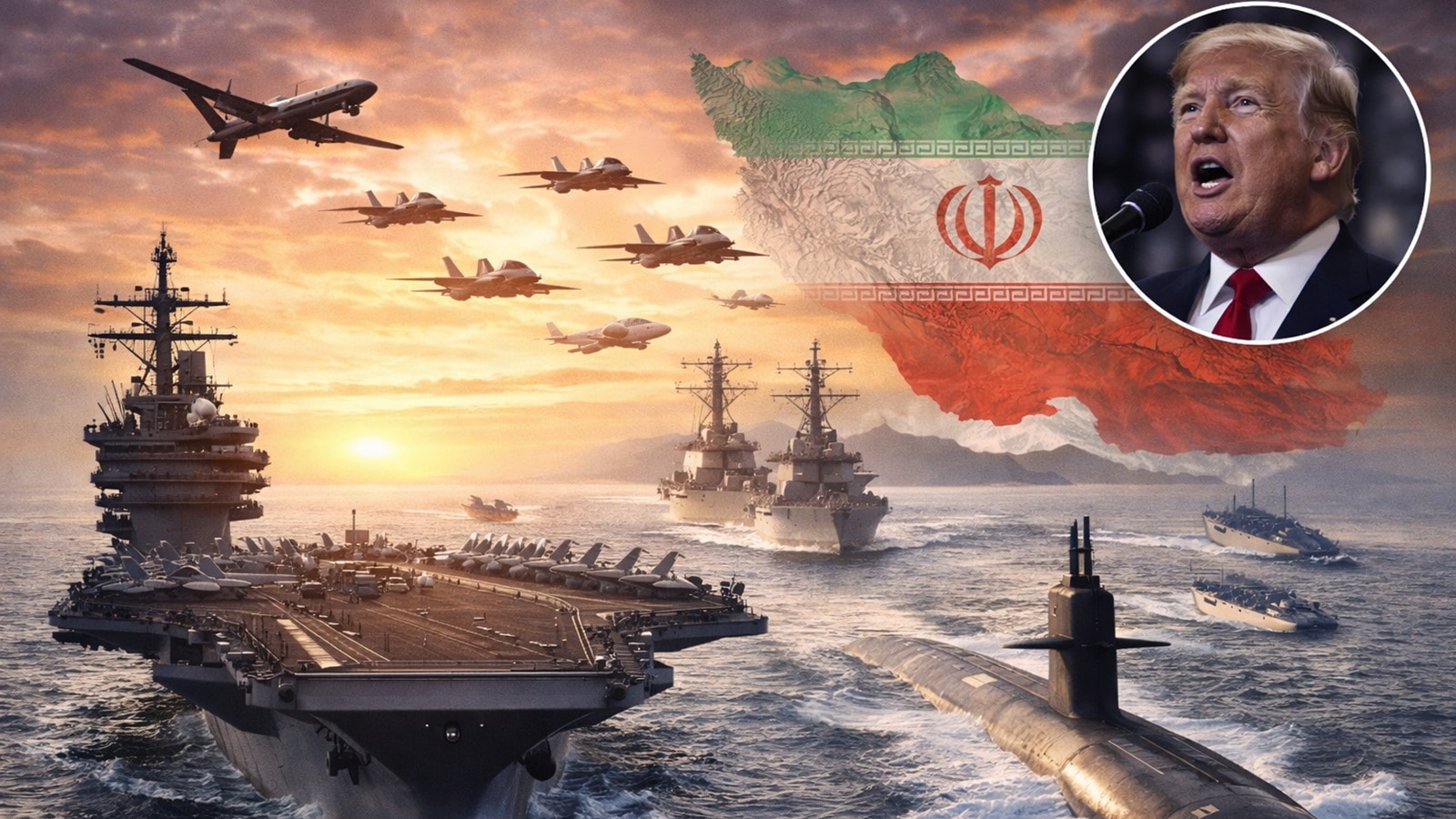
The tension in the Middle East just took a sharp turn, but it isn't the one most people expected. For years, the narrative around a US-Iran ceasefire framework felt like a loop of "will they, won't they" diplomatic drama. Now that a framework is actually on the table in 2026, the reality is much messier than a simple peace deal. It's a high-stakes recalibration of global energy and security.
You've probably heard that this is all about nuclear warheads or a sudden outbreak of friendship between Washington and Tehran. It isn't. This framework is a pragmatic, cold-blooded attempt to stop the global economy from bleeding out at the Strait of Hormuz. If you're looking for a warm fuzzy story about international cooperation, you're in the wrong place. This is about oil, survival, and keeping the lights on in Europe and Asia.
The Hormuz Chokepoint is the Real Priority
Forget the idealistic talk about nuclear non-proliferation for a second. The immediate heartbeat of this ceasefire framework is the Strait of Hormuz. Roughly 20% of the world’s petroleum passes through this narrow stretch of water. When Iran threatens to shut it down, the world flinches.
The framework demands an immediate halt to ship seizures and drone strikes on tankers. In exchange, the US has signaled a "softening" of maritime enforcement. It’s a trade. Iran stops playing pirate, and the US stops acting like the global maritime police officer specifically targeting Iranian exports.
I’ve seen this play out before. Every time a tanker gets hit, insurance premiums for shipping companies skyrocket. That cost gets passed directly to you at the gas pump. This framework isn't just diplomacy; it’s an inflation-fighting tool disguised as a peace treaty. If the Strait stays open, the global market stays sane. If it doesn't, we’re looking at $150 a barrel, and no politician in Washington wants that during an election cycle.
Why the Nuclear Issue is Still a Mess
The framework tries to address the nuclear elephant in the room, but it’s doing it poorly. The agreement suggests a "freeze-for-freeze" approach. Iran stops enriching uranium to high levels, and the US halts some of the most biting economic sanctions.
But here’s the problem. Iran’s nuclear program is already too advanced for a simple "undo" button. They have the knowledge. They have the centrifuges. Critics of the deal argue that this framework just buys Iran time while giving them a massive cash infusion. They're not wrong.
On the flip side, the US is betting that a controlled Iran is better than a desperate one. If the framework holds, International Atomic Energy Agency (IAEA) inspectors get back into the sites they’ve been locked out of. It’s not a perfect solution. It’s barely a solution at all. It’s a band-aid on a gunshot wound, but when you’re bleeding out, you take the band-aid.
The Key Players You Aren't Watching
Everyone focuses on the US President and Iran’s Supreme Leader. That’s a mistake. The real power brokers in this framework are regional players who have everything to lose.
- Saudi Arabia and the UAE: They’ve shifted from being hawks to being cautious pragmatists. They want the ceasefire because their multi-billion dollar tourism and "city of the future" projects don't work if missiles are flying overhead.
- China: This is the big one. China is Iran’s biggest oil customer. They’ve been brokering back-channel deals for months. Beijing wants stability because they need cheap energy to fuel their manufacturing. They aren't just observers; they’re the ones holding the purse strings.
- Israel: To say Israel is skeptical is an understatement. They see this framework as a betrayal. Any deal that doesn't completely dismantle Iran's nuclear infrastructure is a failure in their eyes. Their potential for "independent action" remains the biggest wildcard that could blow this entire framework apart.
What They Left Out on Purpose
You should be worried about what isn't in the text. The framework is surprisingly silent on "proxy" activities. Iran’s support for groups in Lebanon, Yemen, and Iraq isn't explicitly dealt with in the first phase. This is a massive loophole.
It means Iran could technically follow the ceasefire rules in the Persian Gulf while still causing chaos via the Houthis in the Red Sea. It’s a compartmentalized peace. The US knows this, but they're desperate for a win in one area, even if it means ignoring the others. It's a dangerous game of whack-a-mole. If the framework doesn't eventually address these groups, the peace won't last six months.
Oil Impact and Your Wallet
Let's talk numbers. The moment news of this framework leaked, Brent crude prices dipped. Why? Because the market hates uncertainty. A framework—even a shaky one—provides a roadmap.
If Iran is allowed to legally bring an extra 1 million to 1.5 million barrels per day back to the global market, the supply glut will be significant. We’re talking about a potential drop of $10 to $15 per barrel over the next year. That's huge for global shipping, airlines, and your daily commute.
However, don't expect a permanent drop. OPEC+ is watching. If Iranian oil floods the market, Saudi Arabia might just cut their own production to keep prices high. The framework is just one piece of a much larger chess match involving the world’s biggest energy producers.
The Reality of the "Snapback" Risk
The most controversial part of this deal is the "snapback" mechanism. This is the idea that if Iran breaks the rules, all the sanctions come rushing back immediately.
In theory, it sounds great. In practice, it’s a nightmare. Once you let Iranian oil back into the market and companies start signing contracts, it’s incredibly hard to shut it off again. Europe, in particular, is desperate for energy sources that aren't Russia. Once they start buying from Iran, they’ll be very reluctant to support a snapback. The US might find itself standing alone if it tries to pull the plug later.
Moving Forward in a Volatile Market
The US-Iran ceasefire framework is a fragile, ugly, and necessary piece of realpolitik. It isn't about peace in our time. It’s about managing a crisis so it doesn't trigger a global depression.
If you're an investor, watch the IAEA reports. If the inspectors say they’re being blocked, the framework is dead. If you're a consumer, keep an eye on the Red Sea. If conflict there escalates while the Persian Gulf stays quiet, you’ll know the framework is being bypassed by proxies.
Don't wait for a formal signing ceremony to understand the impact. The shift is happening now. The market is already pricing in this "cold peace." Position yourself by watching the shipping lanes and the enrichment percentages, not the podium speeches in Geneva or New York. The deal is already in motion, whether the ink is dry or not.


