The intersection of retail energy pricing and midterm electoral viability in the American Southwest is not a matter of political sentiment but a rigorous exercise in microeconomic pressure. In Phoenix, the Trump campaign’s focus on the downward pressure of gas prices represents a targeted attempt to exploit the high price elasticity of the Arizona voter base. For a constituency defined by long-distance commutes and a high sensitivity to logistics costs, the price at the pump serves as a primary psychological proxy for broader macroeconomic stability. By isolating energy costs, the campaign seeks to transform a global commodity fluctuation into a localized referendum on administrative competence.
The Tri-Factor Model of Energy-Driven Voting Behavior
To understand why the Phoenix pivot is structurally significant, one must examine the three variables that dictate how energy prices translate into ballot box outcomes.
- Discretionary Income Compression: Unlike luxury goods, fuel is an inelastic necessity for the Arizona workforce. When prices rise, the immediate contraction in household discretionary spending creates an "incumbency tax."
- The Psychological Lead-Lag Effect: Voters do not respond to real-time global oil benchmarks; they respond to the three-day rolling average displayed on street corners. This visual frequency makes gas prices the most visible metric of inflation, far outweighing more abstract indicators like the Consumer Price Index (CPI) or bond yields.
- Supply Chain Contamination: High fuel costs inevitably migrate into food and service prices. The campaign’s strategy relies on the voter’s inability to decouple global crude oil volatility from domestic policy, effectively attributing "pass-through" inflation entirely to executive action.
Tactical Geography: Why Phoenix is the Laboratory
Phoenix represents a specific demographic bottleneck. The sprawling urban design of the Maricopa County corridor mandates high vehicle miles traveled (VMT). The campaign’s focus here is a recognition of the VMT-to-Sentiment Ratio. In denser, transit-heavy East Coast cities, energy spikes are dampened by multi-modal infrastructure. In Phoenix, there is no buffer.
The midterm anxiety expressed in this context stems from a historical trend where high energy costs during an election cycle correlate with a 3% to 5% swing in independent voter participation. The Trump strategy utilizes a "Regression to the Mean" argument, suggesting that previous price points were the result of superior deregulation, while current highs are the result of ideological constraints on domestic production.
The Mechanics of the Midterm Friction
Midterm elections are fundamentally contests of mobilization rather than persuasion. The campaign’s "fretting" about the midterms is an acknowledgment of several structural headwinds that energy rhetoric alone may not solve.
- The Candidate Quality Bottleneck: Political platforms are only as effective as the vessels carrying them. Internal campaign logic suggests a fear that the "Energy Message" is being diluted by down-ballot candidates who lack the discipline to stay on high-utility economic themes, instead drifting into lower-ROI cultural grievances.
- The Demographic Shift Factor: Phoenix is no longer a monolithic retirement hub. The influx of tech-sector workers from California brings a different set of priorities regarding the energy transition. This creates a strategic schism: appealing to the traditional "low-cost-at-any-cost" voter while not alienating the "future-energy" moderate.
- The Incumbency Advantage in Disaster Response: While high prices hurt the incumbent, the ability of the current administration to release Strategic Petroleum Reserve (SPR) barrels creates a temporary artificial price floor. The Trump campaign’s challenge is timing—ensuring the "pain" of the prices remains fresh in the voter’s mind before any short-term relief can be manufactured.
Quantifying the Policy-Price Disconnect
The narrative that a single executive can flip a switch to lower gas prices is a simplification of the Global Crude Interdependency Loop. However, in a campaign environment, perception functions as reality. The strategy involves three specific rhetorical pillars designed to bypass complex market realities:
- The Regulatory Freeze Narrative: Attributing price hikes to the suspension of federal land leases, despite the multi-year lag between leasing and actual production.
- The Pipeline Symbolism: Utilizing projects like Keystone XL as a synecdoche for national strength, regardless of their actual projected impact on current daily supply.
- The Export-Import Paradox: Criticizing the export of refined products while simultaneously demanding higher domestic production, a move that ignores the refining capacity limits of the Gulf Coast.
The Resource Allocation Dilemma
For the Trump organization, Phoenix is a high-cost, high-reward theater. The decision to spend significant time there suggests an internal data model that sees Arizona as the "tipping point" state. If the energy message fails to resonate here—where the physical and economic environment is most primed for it—the campaign’s broader national strategy regarding the midterms faces a total systemic failure.
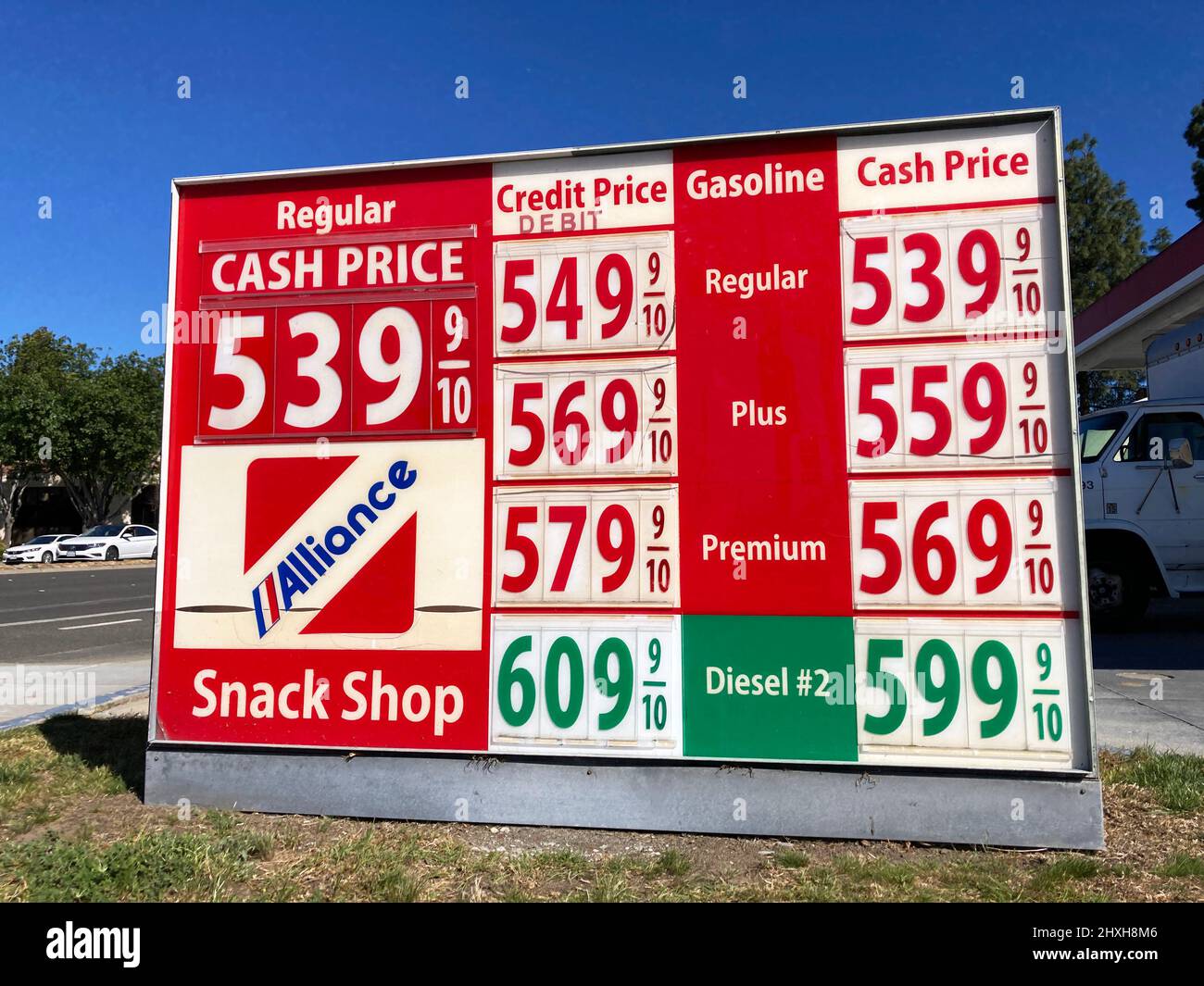
The "anxiety" mentioned in the competitor’s analysis is more accurately described as a Risk-Mitigation Gap. The campaign knows the economic conditions are favorable for an upset, but they are wary of the "Signal-to-Noise" ratio. If the voter is more concerned with social issues or the stability of democratic institutions than they are with the $5.00/gallon sign, the campaign’s primary lever of influence is neutralized.
Strategic Forecast: The Shift from Energy to Logistics
Expect the campaign to transition its messaging from simple gas prices to a broader "Cost of Living" (COL) framework. This will involve linking fuel costs to the price of basic commodities—milk, eggs, and housing materials. This creates a Force Multiplier Effect, where every trip to the grocery store reinforces the campaign’s message even if gas prices see a marginal dip.
The ultimate success of this Phoenix-centric strategy depends on whether the campaign can maintain a "Crisis Footing" without exhausting the voter. There is a point of diminishing returns where constant alarmism leads to voter apathy rather than mobilization. The consultant’s play is to keep the focus on the Wallet-Share Impact—specifically how many hours of labor at the median Phoenix wage are required to fill a 15-gallon tank. When that number crosses a specific threshold, the psychological shift from "concern" to "revolt" becomes mathematically inevitable.
The final strategic move for the campaign is the deployment of "Surrogate Saturation." By flooding local media with mid-tier influencers who specialize in household budgeting, they can ground the high-level energy policy in the gritty reality of the Maricopa County suburbanite. This bypasses the national media filter and speaks directly to the logistical anxiety of the commuter class. If the midterms are won, it will not be on the strength of a rally, but on the relentless quantification of the voter’s dwindling purchasing power.