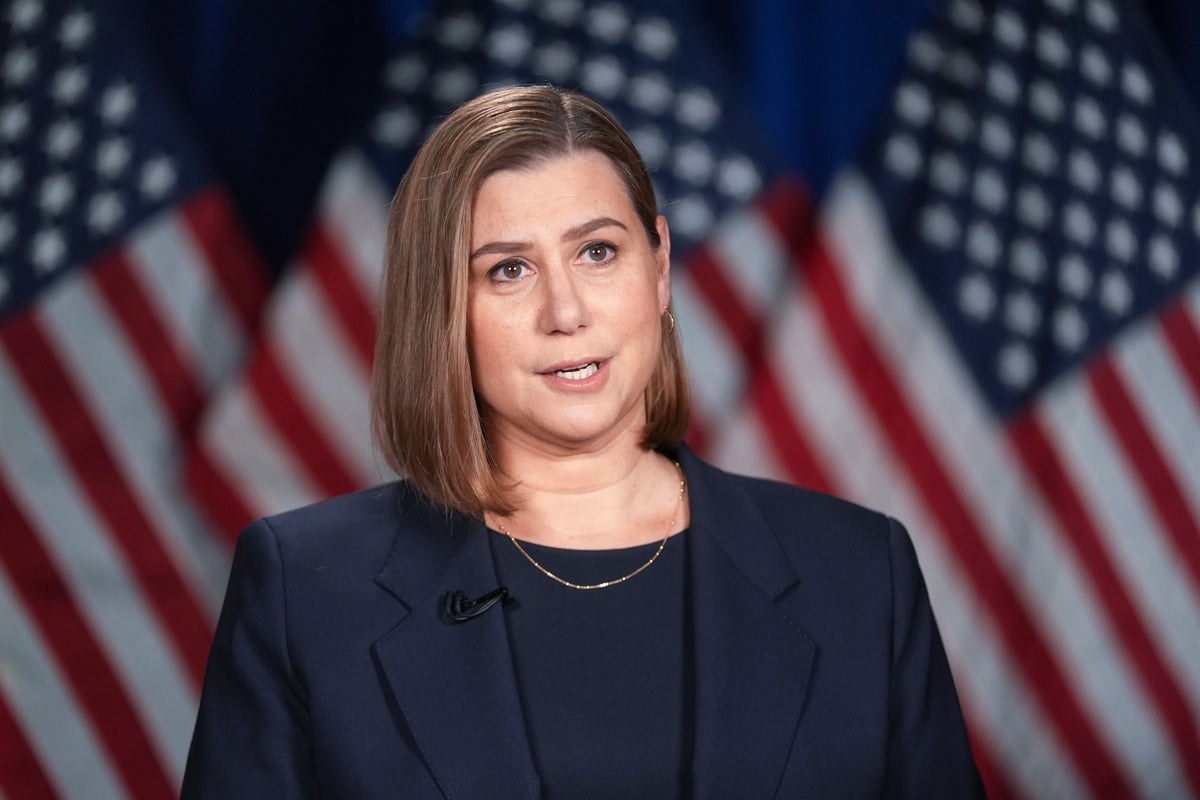
Michigan Senator Elissa Slotkin is no longer just a rising star in the Democratic Party; she has become a central figure in a high-stakes legal and political drama that could define the next race for the White House. By signaling she is open to a 2028 presidential bid while simultaneously defying a Justice Department inquiry, Slotkin is testing a theory that "alpha energy" and direct confrontation are the only ways to survive the current political climate. This move comes as she refuses a voluntary interview with the FBI regarding a 90-second video that has become a lightning rod for allegations of sedition and counter-claims of political weaponization.
The controversy centers on a video released last November. In it, Slotkin and five other Democratic lawmakers with military or intelligence backgrounds—including Arizona Senator Mark Kelly—urged U.S. service members to remember their oath to the Constitution and reject "illegal orders." The backlash was instantaneous. President Donald Trump labeled the message treasonous, and the Department of Justice, now led by Attorney General Pam Bondi and U.S. Attorney Jeanine Pirro, launched an inquiry.
The Strategy of Defiance
Slotkin’s refusal to comply with the DOJ's request for a voluntary interview is a calculated risk. Represented by high-profile attorney Preet Bharara, her legal team has pivoted from a defensive crouch to an aggressive counter-offensive. Bharara has demanded that the DOJ terminate the inquiry, citing potential infringements on constitutional rights.
This isn't just about legal maneuvering. It is a political audition. By framing the investigation as "legal intimidation" and "physical intimidation," Slotkin is positioning herself as the shield for a party often accused of being too polite in the face of institutional hardball. She is betting that Democratic voters, weary of traditional decorum, are hungry for a candidate who won't "lay down and take it."
The personal costs have been steep. Slotkin has detailed bomb threats to her farm, her parents being "swatted" in the middle of the night, and her brother requiring a police detail. For Slotkin, the fight is no longer abstract. It is visceral. She describes a "switch" that went off when her father, battling terminal cancer at the time, had to deal with police in his home due to a false report. That anger is now the fuel for her potential national ambitions.
A New Archetype for the Rust Belt
To understand why Slotkin is a formidable 2028 prospect, one has to look at her track record in Michigan. She won a Senate seat in 2024 even as Trump carried the state, proving she can peel off the moderate and independent voters necessary for a national win. Her background as a former CIA analyst and Pentagon official gives her a "security Democrat" profile that complicates Republican efforts to paint her as a radical.
She is currently touring swing states, including Iowa, where she is quietly testing a message of economic populism mixed with aggressive constitutional defense. Her "economic war plan" for the middle of the country suggests she knows the Democratic brand is damaged in the Rust Belt. She is pitching herself as the "next generation" tasked with rehabilitating that brand by moving away from what she calls "rehashing old fights" and focusing on "alpha energy."
The Legal Quagmire and the Kelly Factor
While Slotkin is the most vocal, she isn't alone. Senator Mark Kelly of Arizona, another veteran with a massive fundraising apparatus, is also under the DOJ's microscope for the same video. Kelly raised over $12.5 million in the final months of 2025, a windfall directly linked to the controversy. This suggests that for Democratic donors, being targeted by the current administration is a primary qualification for leadership.
The legal reality, however, is murky. The Justice Department is investigating whether the video violated statutes regarding the subversion of military authority. Slotkin’s team argues the video merely reinforces the Uniform Code of Military Justice, which requires service members to disobey unlawful orders. This sets up a profound constitutional clash between the executive branch’s authority over the military and the free speech rights of lawmakers.
If the DOJ moves from voluntary requests to subpoenas, the situation will reach a breaking point. Slotkin has indicated she would "take a hard look" at a subpoena before complying, hinting that a full-blown constitutional crisis may be the preferred backdrop for her 2028 launch.
The Risks of the Nuclear Option
There is a danger in this "go nuclear" strategy. By leaning so heavily into confrontation, Slotkin risks alienating the very institutionalist voters who helped her win in Michigan. Furthermore, an active federal investigation is an unpredictable variable. While it currently serves as a fundraising and profiling tool, a formal charge or a prolonged legal battle could drain resources and focus.
The Democratic field for 2028 is already crowded with names like Pete Buttigieg and Josh Shapiro. Slotkin’s path requires her to remain the primary antagonist to the Trump administration’s most controversial moves. She is no longer just a senator from Michigan; she is a test case for whether a Democrat can win by adopting the pugilistic style of her opponents.
The 90-second video was the catalyst. The DOJ investigation is the forge. Whether Elissa Slotkin emerges as a presidential nominee or a cautionary tale depends on whether the American electorate views her defiance as true patriotism or calculated provocation. The gamble is all-in. Slotkin has made it clear that if she is going to encourage others to take risks, she must be willing to shoulder the consequences herself.