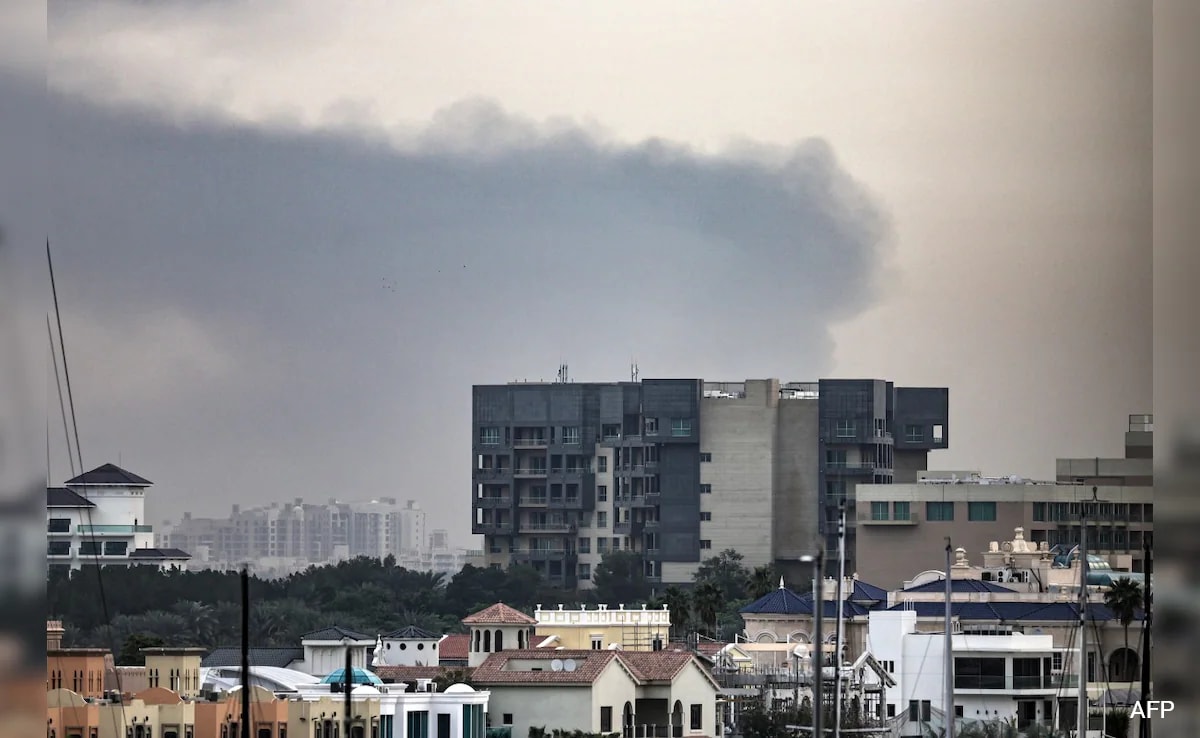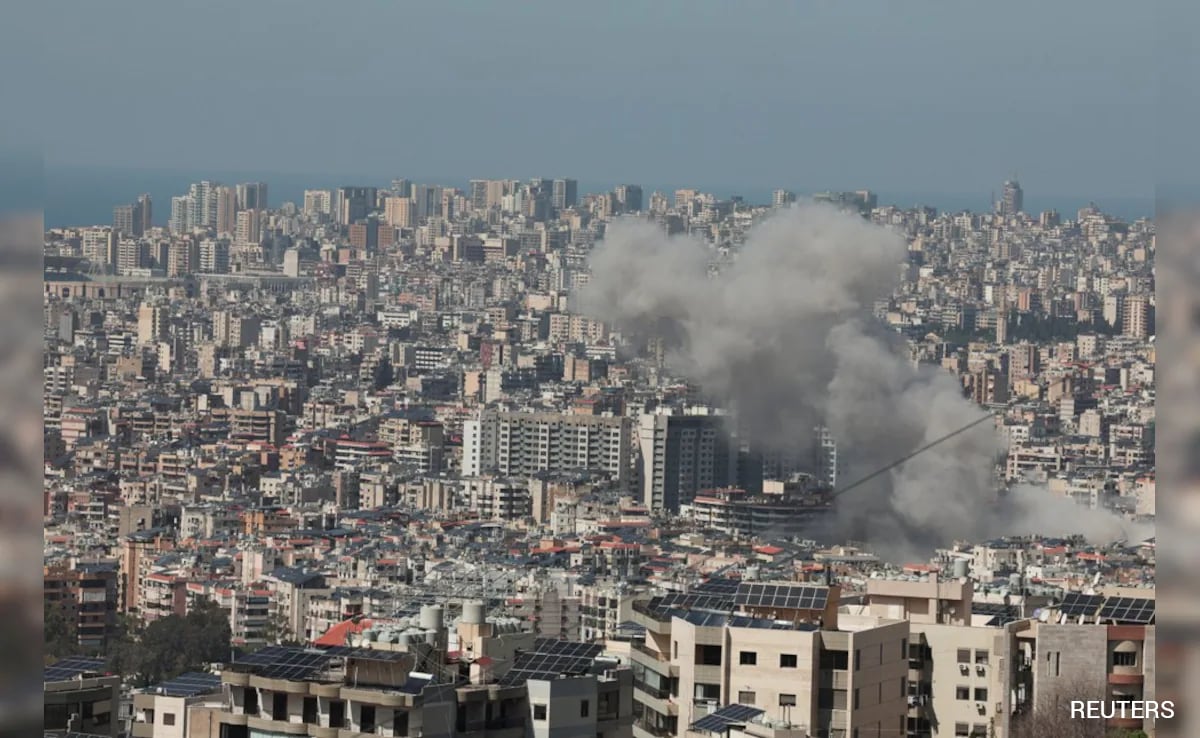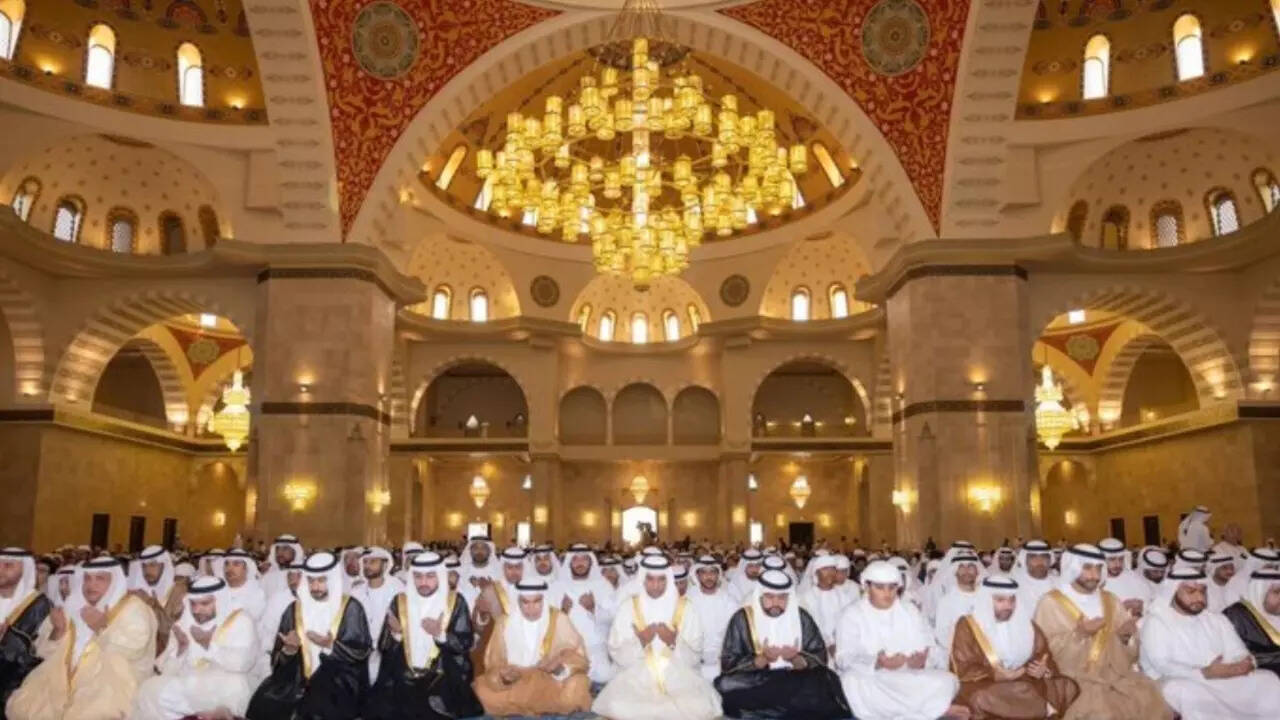
The traditional sight of thousands of worshippers gathered on open "Musallas" under the morning sun won't happen this year. If you’re planning to head out for Eid ul Fitr 2026 prayers in the UAE, Kuwait, or Qatar, you need to change your routine immediately. Authorities across the GCC have pivoted, moving all official prayer services inside the main mosques. They aren't just doing it for the logistics. While the official line often leans on "organizational shifts," the reality of regional instability and the heightened friction between Iran and the US-Israel axis has forced a massive recalibration of public safety protocols.
It’s a jarring shift for a holiday defined by community. Usually, the open-air prayer is the heartbeat of the morning. This year, the priority is controlled environments. You should expect tighter security, earlier arrival times, and a much stricter flow of people.
The Security Reality Behind the Mosque Walls
Governments in the Gulf don't make these calls lightly. Moving prayers indoors is a massive logistical headache, but it allows for something open grounds don't offer: a perimeter. In the current climate, with tensions between Iran and Israel reaching a boiling point, large, exposed gatherings are seen as unnecessary risks.
Security experts in the region note that indoor venues allow for better screening and controlled entry points. It’s about mitigating any potential for "opportunistic" disruptions. When you have tens of thousands of people in an open field, your "soft target" profile goes through the roof. Inside a mosque, the state can manage the crowd, monitor the exits, and ensure that the focus remains entirely on the spiritual significance of the day rather than external anxieties.
What to Expect in the UAE and Qatar
The UAE’s General Authority of Islamic Affairs and Endowments has been clear. Don't show up at your local neighborhood Musalla expecting a carpet to be laid out. They’ve designated specific "Eid Mosques"—usually the larger, landmark structures—to handle the influx.
In Qatar, the Ministry of Awqaf and Islamic Affairs has mirrored this. They’re leaning heavily on their massive mosque infrastructure. If you’re in Doha, you’ll find that the smaller "Friday mosques" are taking the lead. This isn't just a space issue. It’s a management strategy. By spreading the population across hundreds of smaller, enclosed buildings rather than four or five massive open fields, they dilute the density of the crowds. It’s smarter. It’s safer. Honestly, it’s probably more comfortable given the rising April temperatures, but the underlying reason remains the geopolitical shadow hanging over the 2026 season.
Kuwait Takes the Strictest Stance
Kuwait has historically been more cautious with public assembly during times of regional friction. Their Ministry of Awqaf has essentially cancelled all outdoor permits. If you’re in Kuwait City, your local mosque is your only option. They’ve also hinted at increased police presence around these areas.
It feels different this year. There’s a weight to the air that wasn't there during the post-pandemic recoveries. People are talking about the "Drone Age" of warfare. When regional powers are exchanging long-range fire, a sea of people in an open park becomes a nightmare for a defense minister. The Gulf states are masters of "quiet stability." They’d rather deal with the grumbling of a few disappointed worshippers than risk even a minor security lapse during the most important religious event of the quarter.
Logistics You Can Actually Use
Don't be the person wandering around an empty field at 6:00 AM. Since prayers are moving indoors, capacity is the new bottleneck. In an open field, there’s always room for one more prayer mat. Inside a mosque, once the doors are full, they’re full.
- The 30-Minute Rule. If you aren't inside the mosque 30 minutes before the scheduled prayer time, you’re likely praying on the sidewalk.
- Parking is the Enemy. With everyone funneling into specific buildings rather than sprawling fields, local traffic will be a disaster. Take a taxi or walk if you’re within two kilometers.
- Digital Check-ins. Some regions in the UAE are testing "occupancy" updates via local apps. Check your "Awqaf" or "TAMM" apps before you leave the house to see if your preferred mosque is already at capacity.
Why This Matters Beyond 2026
We might be seeing the end of the massive outdoor Musalla as a standard practice. As urban density increases and regional politics remain volatile, the "controlled environment" of the mosque is becoming the preferred theater for state-sanctioned events. It’s more than just a temporary "alert." It’s a shift in how Gulf nations manage their public squares.
The Iran-Israel tension isn't a flash in the pan. It’s a structural reality of the 2020s. For the average resident, this means your religious practice is now directly tied to the geopolitical temperature. It’s annoying, sure. But in a region where safety is the primary currency, it’s a price most are willing to pay.
Moving Forward With Your Plans
Stop checking the old maps for prayer grounds. They won't be there. Instead, look up the list of "Grand Mosques" in your specific district. Most government portals in Dubai, Abu Dhabi, Doha, and Kuwait City have now published the definitive list of mosques that will host Eid prayers.
Check the specific prayer timings for your city, as they fluctuate by a few minutes depending on the sunrise. Once you've identified your mosque, aim to arrive exceptionally early. Wear light clothing, as even with AC, a packed mosque in April gets hot fast. Focus on the community aspect, even if the setting has shifted from the grass to the marble floor. The prayer remains the same; only the roof over your head has changed. Plan your route now so you aren't caught in the inevitable gridlock that happens when a city's worth of people tries to fit into its buildings all at once.