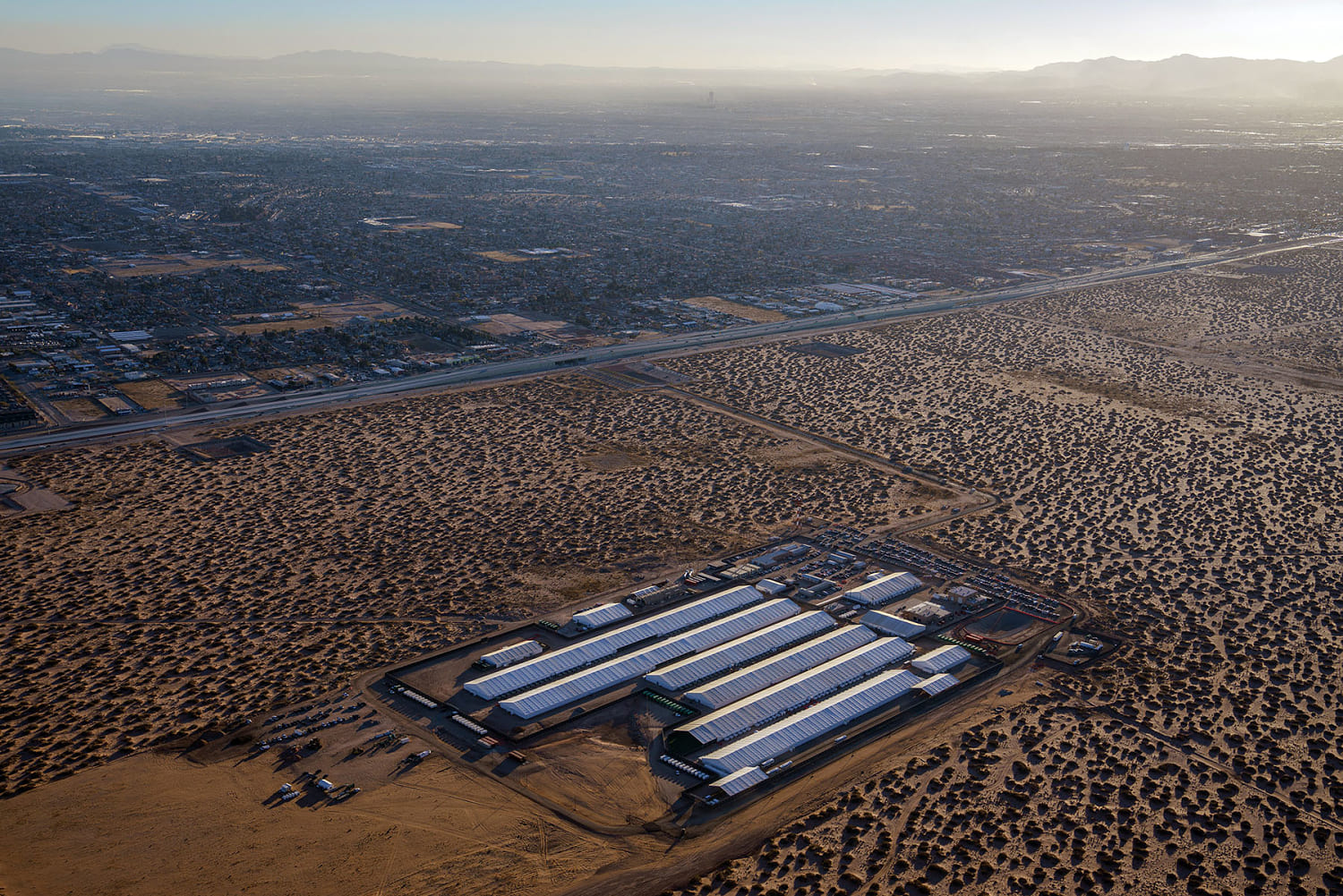
A person dies in a cell, and the public doesn't find out why for months. This isn't a plot from a dystopian novel. It's the current reality of the American immigration detention system. As we move through 2026, the numbers coming out of U.S. Immigration and Customs Enforcement (ICE) facilities are staggering. In 2025 alone, we saw 33 reported deaths in custody—the highest annual total in over two decades. By mid-March 2026, 13 more people had already died.
The math is simple and grim. More people are being detained, and more of them are dying. But as the body count rises, the window into what's actually happening behind those reinforced doors is slamming shut. If you think this is just about red tape or paperwork, you're missing the bigger picture. This is about a deliberate shift in how the government accounts for the lives it holds in its hands.
The growing gap between facts and reports
For years, ICE followed a relatively predictable reporting cadence. When someone died, a news release went out within two days. A more detailed report usually followed within 90 days. While those reports were never perfect, they provided a baseline of accountability.
Lately, that baseline has crumbled. We're seeing a trend where the "relevant details" included in initial news releases are becoming thinner and thinner. Instead of explaining the circumstances, these releases often focus on the individual’s criminal history or immigration status. It's a classic redirection tactic. They want you to focus on who the person was, not how they died.
Even the "full" 90-day reports are becoming ghosts. Large chunks of data are being withheld under the guise of protecting "uninhibited opinions" of inspectors or citing ongoing investigations that never seem to end. When the government decides that its own internal reviews are too sensitive for the public to see, the system stops being a public service and starts being a black box.
How the detention surge created a health crisis
The increase in deaths isn't happening in a vacuum. It's the direct result of a massive scale-up in detention capacity. As of early 2026, the number of immigrants in ICE custody has ballooned to over 68,000. That’s a 70% jump compared to late 2024.
When you cram that many people into a system that was already struggling with medical staffing, things break. Here is what that looks like on the ground:
- Medical Staffing Shortages: Facilities are routinely operating without enough doctors or nurses to handle basic health screenings.
- Contractor Chaos: In Texas, a $1.3 billion contract was handed to a company with zero prior experience in detention. The result? Reports of inadequate nutrition and delayed emergency care.
- Chronic Care Failures: People with manageable conditions like diabetes or high blood pressure are seeing their health spiral because they can't get their routine medications.
Honestly, the most disturbing part is the discrepancy in how deaths are categorized. In January 2026, the El Paso County Medical Examiner ruled a death at the Camp East Montana facility a homicide. The medical examiner found that the actions of enforcement officers caused the death. ICE’s version? They reported it as a suicide. When the official narrative doesn't even match the autopsy, transparency isn't just "at risk"—it's dead.
The human cost of the information blackout
Behind every statistic is a name and a family waiting for answers that might never come. Take the case of Geraldo Lunas Campos, the 55-year-old who died in that El Paso facility. Or Parady La, a 46-year-old father who had been in the U.S. since he was two years old. These aren't just data points.
When ICE reduces the details it makes public, it effectively silences these families. It makes it nearly impossible for lawyers to prove negligence. It makes it easy for the public to look the other way. By the time a Freedom of Information Act (FOIA) request actually produces a document, the news cycle has moved on, and the facility has likely faced no consequences.
Accountability is being fought in the courts
We aren't just sitting around watching this happen. There's a massive legal and legislative pushback brewing right now.
- The DHS Use of Force Transparency Act of 2026: Introduced by Reps. Dave Min and Ayanna Pressley, this bill would force ICE and CBP to turn over all video and audio footage of use-of-force incidents to Congress within 30 days.
- California Oversight: In March 2026, local officials in California sued for the right to conduct their own public health inspections of ICE facilities after being denied access.
- Maryland Litigation: State officials are suing to get records on a Baltimore facility after investigations revealed "multiple issues" that ICE tried to keep under wraps.
These aren't just partisan squabbles. They're essential attempts to restore the basic constitutional principle that the government can't just make people disappear into a system and refuse to explain what happens to them.
What you can actually do about it
If you're waiting for the agency to fix itself, don't hold your breath. Real change in this realm usually comes from the outside.
First, support the groups doing the heavy lifting. Organizations like the American Civil Liberties Union (ACLU) and Physicians for Human Rights are the ones filing the lawsuits and analyzing the 14,000-page document dumps that eventually reveal the truth. They need the resources to keep the pressure on.
Second, pay attention to local detention contracts. Many of these "ICE facilities" are actually county jails or private centers operating under inter-governmental agreements. Your local city council or county board often has more say over these contracts than you might think. Ask why your tax dollars are going to facilities that refuse to allow independent health inspections.
Lastly, don't let the "official" news releases be the end of the story. When you see a report of a death in custody, look for the independent autopsies and the reports from local medical examiners. The truth is usually hidden in the gaps between what the government says and what the doctors find.