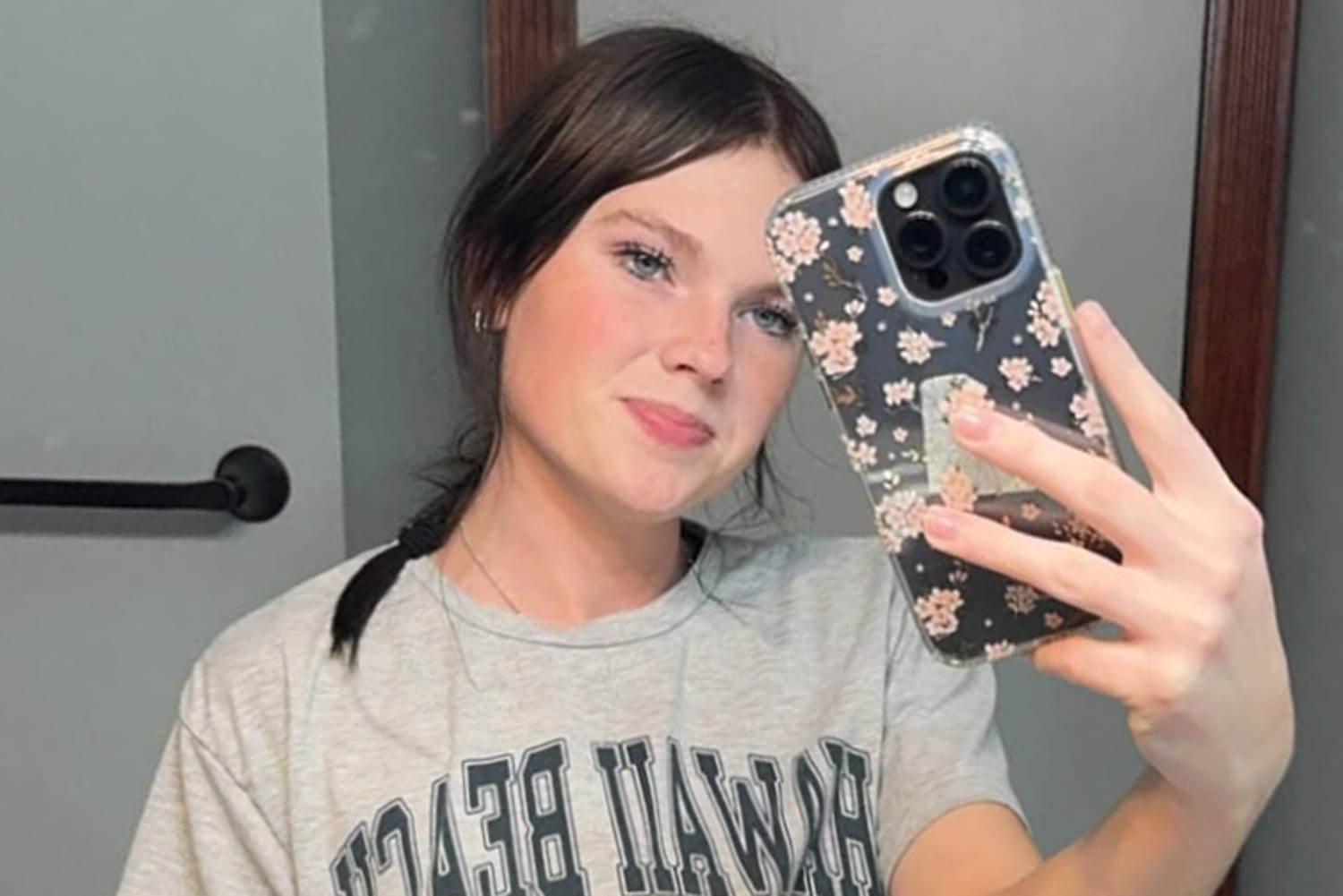
The headlines are feeding you a comfortable lie. They want you to believe that the arrest of Anna Kepner’s stepbrother, months after her body was discovered on a cruise liner, represents the "wheels of justice" finally turning. It’s a tidy narrative. Girl dies, investigation ensues, suspect is charged.
It’s also total nonsense.
If you’re waiting for the legal system to "work" in international waters, you’ve already lost. The arrest of a family member isn’t a triumph of maritime law; it’s a desperate attempt to salvage a case from a jurisdictional wasteland that usually swallows evidence whole. While the media fixates on the family drama, they ignore the terrifying reality: the cruise industry is a sovereign entity designed to make investigations nearly impossible.
The Sovereignty of the Buffet
Most travelers view a cruise ship as a floating hotel. Legally, it’s a floating laboratory for tax evasion and legal immunity. When a crime occurs on a ship, you aren't in Florida or California. You are in a "Flag of Convenience" state—usually Panama, Liberia, or the Bahamas.
These nations don't have the resources or the interest to fly detectives across the globe to process a crime scene. They outsource the "security" to the cruise lines themselves. Imagine a world where the suspect’s employer is also the entity responsible for securing the DNA evidence. That is the cruise industry.
When Anna Kepner was found, the clock didn't just start ticking; it was sabotaged. On land, the first forty-eight hours are critical. At sea, those hours are spent navigating a maze of maritime treaties that favor the corporation, not the victim. By the time the FBI or local authorities get involved, the "crime scene" has been scrubbed by industrial-grade cleaners to prepare for the next round of vacationers.
The Stepbrother Narrative is a Distraction
Focusing on the specific suspect—the stepbrother—is the "lazy consensus" the media loves. It turns a systemic failure into a Lifetime movie script. Yes, the individual may be guilty. Yes, the charges may stick. But the months of delay between the death and the charges aren't a sign of "thoroughness." They are a sign of a broken chain of custody.
In any standard homicide investigation, a five-month gap before charges are filed usually points to a weak forensic trail. In the Kepner case, the delay highlights the struggle of land-based prosecutors to piece together what happened in a vacuum.
We see this pattern constantly:
- Initial Report: "Tragic accident" or "Unexplained death."
- The Scrub: The room is cleaned, the ship keeps moving.
- The Vacuum: Federal agencies fight over who has the right to interview witnesses who have already flown back to forty different states.
- The Late Charge: Months later, a suspect is named to quiet the PR storm.
If you think this is about one bad actor, you’re missing the forest for the trees. The "bad actor" is the environment that allows evidence to evaporate.
The FBI’s Toothless Watch
People often ask: "Doesn't the FBI handle crimes against Americans on cruise ships?"
The answer is a brutal "mostly no." Under the Cruise Vessel Security and Safety Act (CVSSA) of 2010, ships are required to report certain crimes. But there’s a massive loophole. If the ship is in foreign territorial waters, the reporting requirements get murky. Even when the FBI has jurisdiction, they are often playing catch-up. They are arriving at a scene that has been compromised by the ship’s own "security" team—people whose primary objective is to limit the company’s liability.
I’ve seen how these corporations operate. They don't want a murder trial; they want a "settlement" or a "quiet resolution." The fact that this case went to criminal charges actually suggests the evidence was so overwhelming it couldn't be buried—not that the system functioned as intended.
Why Your Vacation is a Legal High-Wire Act
Travelers assume they carry their constitutional rights with them when they board. They don't. You are entering a contract—literally, the fine print on your ticket—that strips away your right to sue in your home state and often mandates "arbitration" for disputes. While this usually applies to slip-and-fall cases, it creates a culture of secrecy that bleeds into criminal investigations.
The real tragedy of the Anna Kepner case isn't just the loss of life. It’s the fact that her family had to wait months for a basic level of legal clarity because the crime happened on a vessel that essentially functions as its own nation.
Stop Asking "Who Did It" and Start Asking "Where Were They Allowed To Do It"
The media wants you to debate the stepbrother’s motive. That’s a soap opera. The real conversation should be about the Death on the High Seas Act (DOHSA). This archaic law from 1920 limits the recovery of damages for deaths occurring more than three nautical miles from shore. While it was originally meant for sailors, it now protects multi-billion dollar cruise lines. It ensures that if you die at sea due to negligence or malice, your life is worth significantly less in a courtroom than if you had died on a sidewalk in Peoria.
The Kepner case isn't an outlier. It is the inevitable result of a travel sector that operates outside the bounds of traditional law enforcement.
The Brutal Reality of Evidence at Sea
If you are waiting for a "CSI" moment on a cruise ship, stop.
- Bio-hazards: Ship crews are trained to sanitize "incidents" immediately for public health reasons. This is a perfect cover for destroying forensic evidence.
- Witness Dispersal: Within hours of docking, every potential witness is gone. No subpoena can catch five hundred people from twelve different countries before they reach the airport.
- Video Surveillance: Most ships have cameras, but they aren't "public" records. The cruise line owns that footage. They decide what the FBI sees and what "accidentally" got looped over.
The Only Way to Fix the System
The "unconventional advice" no one wants to hear? Stop treating cruise ships like sovereign territory. Until we mandate that every ship docking in a domestic port must adhere to the same evidentiary standards as a land-based hotel—including independent, third-party security that doesn't report to the CEO—we will continue to see these "delayed" justice stories.
The arrest of the stepbrother isn't a victory. It’s a reminder that for five months, the legal system was paralyzed by a corporate-friendly jurisdictional void.
Stop buying the "justice is served" narrative. Start looking at the map. If you are three miles out, you are on your own.
The ocean doesn't just hide bodies; it hides the law.