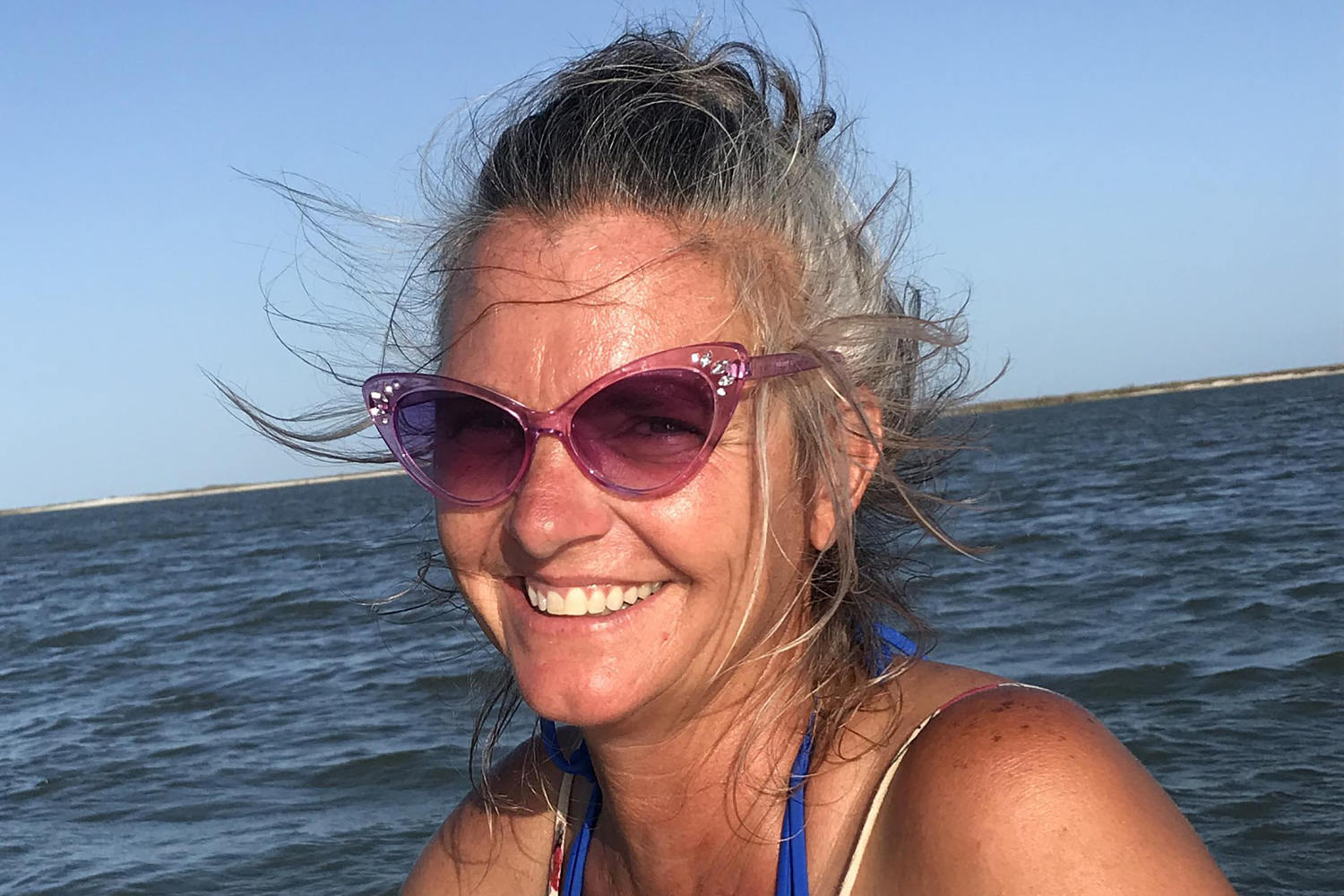
The disappearance of Taylor Casey isn't just a missing person case anymore. It's a criminal investigation. That's a massive shift in tone from the United States Coast Guard, and it changes everything for her family, the Bahamian authorities, and anyone following the safety of Americans traveling abroad. When a search-and-rescue mission becomes a criminal probe, the objective moves from "where are they?" to "who is responsible?"
Taylor Casey, a 41-year-old Chicago woman, vanished in June 2024 while attending a yoga retreat on Paradise Island. For weeks, the narrative was muddled by conflicting reports from local police and the retreat organizers. Now, the U.S. Coast Guard has officially opened a criminal investigation. This isn't a routine procedure. It's a signal that federal investigators have seen enough red flags to suspect foul play or negligence that falls under their jurisdiction. Expanding on this topic, you can find more in: The Erasure of the Voting Rights Act and the New Architecture of American Power.
The sudden shift from rescue to recovery of evidence
You don't see the Coast Guard jumping into criminal investigations unless there's a specific legal trigger. Usually, they're the ones flying the Jayhawk helicopters and scanning the waves with thermal tech. But when a case transitions to a criminal matter, they start looking at the "Special Maritime and Territorial Jurisdiction of the United States."
If a crime happens against a U.S. citizen in certain international waters or on specific types of vessels, the feds have the right to step in. Opening a criminal file means they’re no longer just looking for a person who might have wandered off. They’re looking for a crime scene. They're looking for witnesses who might be lying. They’re looking for digital trails that don't match the official story provided by the Sivananda Ashram Yoga Retreat House where she was staying. Experts at NBC News have also weighed in on this matter.
Her phone was found in the ocean. That's a huge piece of the puzzle. Most people don't just drop their phone in the deep blue and then disappear without a trace. It looks like an attempt to destroy evidence. The Coast Guard's decision to get aggressive here suggests they aren't satisfied with the "accidental disappearance" theory that often gets pushed in tourist-heavy regions.
Why Bahamian police are under the microscope
Let's be real. The Bahamas relies on tourism. When a high-profile American goes missing, there's an immense amount of pressure to wrap it up quickly and quietly. The Casey family has been vocal about their frustration. They've pointed out that local authorities haven't always been transparent or urgent.
By opening a criminal investigation, the Coast Guard effectively puts a second pair of eyes on every piece of evidence. This creates a level of accountability that wasn't there before. The FBI is often involved in these cases too, working alongside the Coast Guard Investigative Service (CGIS). This isn't just about finding Taylor anymore; it's about checking the work of the Royal Bahamas Police Force.
We've seen this play out before in cases like Natalee Holloway. Local investigations can get stalled by lack of resources or, frankly, a desire to protect the local economy's reputation. The U.S. government stepping in with a criminal mandate sends a message that they aren't going to let this slide into the "cold case" file without a fight.
The red flags at the Sivananda Ashram Yoga Retreat
The details coming out of the retreat itself are troubling. Casey was an experienced traveler. She wasn't some naive tourist who didn't know how to handle herself. She was there for a teaching certification. People at the retreat claimed she was seen on the property, but then she just... wasn't.
- Her belongings were left behind in her tent.
- Her phone was recovered from the water, but it was reportedly damaged.
- The timeline of when she was last seen has shifted in various accounts.
When someone disappears from a controlled environment like a retreat, the list of suspects is naturally short. You’re either looking at someone else at the retreat, a staff member, or an intruder who managed to get past whatever security was in place. The Coast Guard’s investigative wing will be looking at logs, interviews, and any available surveillance footage with a much more cynical eye than a standard search party would.
Understanding the CGIS role in international disappearances
The Coast Guard Investigative Service is a federal law enforcement agency. Think of them as the maritime version of the FBI. They have the authority to investigate murders, sexual assaults, and disappearances that occur at sea or involve U.S. interests.
In Taylor Casey's case, their involvement suggests a jurisdictional hook. Maybe it’s related to how she arrived, where her property was found, or specific interactions that happened near the shoreline. Their entry into the case means they can use federal grand juries, subpoenas, and advanced forensic labs that might not be available to local island police.
They also have a different set of priorities. They don't care about the Bahamas' spring break revenue. They care about U.S. law. This shift to a criminal investigation is the most significant development in months because it forces a shift in resources. We're talking about forensic accountants, digital forensics experts, and behavioral analysts getting involved.
What this means for the Casey family
For the family, this news is a double-edged sword. On one hand, it’s a relief. It means the U.S. government is taking the possibility of foul play seriously. It means more resources. On the other hand, "criminal investigation" is a heavy phrase. It moves the conversation away from a "miraculous rescue" and toward a "prosecution."
They've been doing the heavy lifting—organizing searches, talking to the media, and pushing the State Department. Now, they have a formal investigative body that can actually demand answers. It’s a grim validation of the fears they’ve had since June.
Staying safe in the Bahamas and beyond
This case is a wake-up call for anyone heading to seemingly "safe" enclaves like yoga retreats or private resorts. You'd think a spiritual retreat would be the safest place on earth, but isolation is isolation.
If you're traveling, you need to have a "safety stack" that doesn't rely on the local authorities.
- Use a GPS tracker that shares your location with someone back home in real-time.
- Don't rely on the resort's "security" as your only line of defense.
- Check in with a specific person at a specific time every single day. If you miss that window, they call the embassy immediately.
The Taylor Casey case is far from over. With the Coast Guard now treating this as a crime, the pressure is on. We’re likely going to see new witness statements or forensic data from that recovered phone emerge soon. When the feds stop searching and start investigating, it's because they think there's a person to catch, not just a trail to follow.
Check the State Department’s travel advisories before you book your next trip. The Bahamas currently sits at a Level 2 "Exercise Increased Caution" due to crime. Don't ignore those ratings. They aren't just bureaucratic fluff; they're based on cases exactly like this one. If you have information regarding Taylor Casey, contact the FBI's tip line or the U.S. Embassy in Nassau. Don't assume the locals already have the info you’ve got.



