The ink isn't even dry on the ceasefire papers and everyone's already asking when the oil starts flowing again. I've got news for you. It’s not happening tomorrow. Not next week, either. While the diplomatic handshake between Washington and Tehran is a massive relief for global markets, the Strait of Hormuz remains a logistical nightmare.
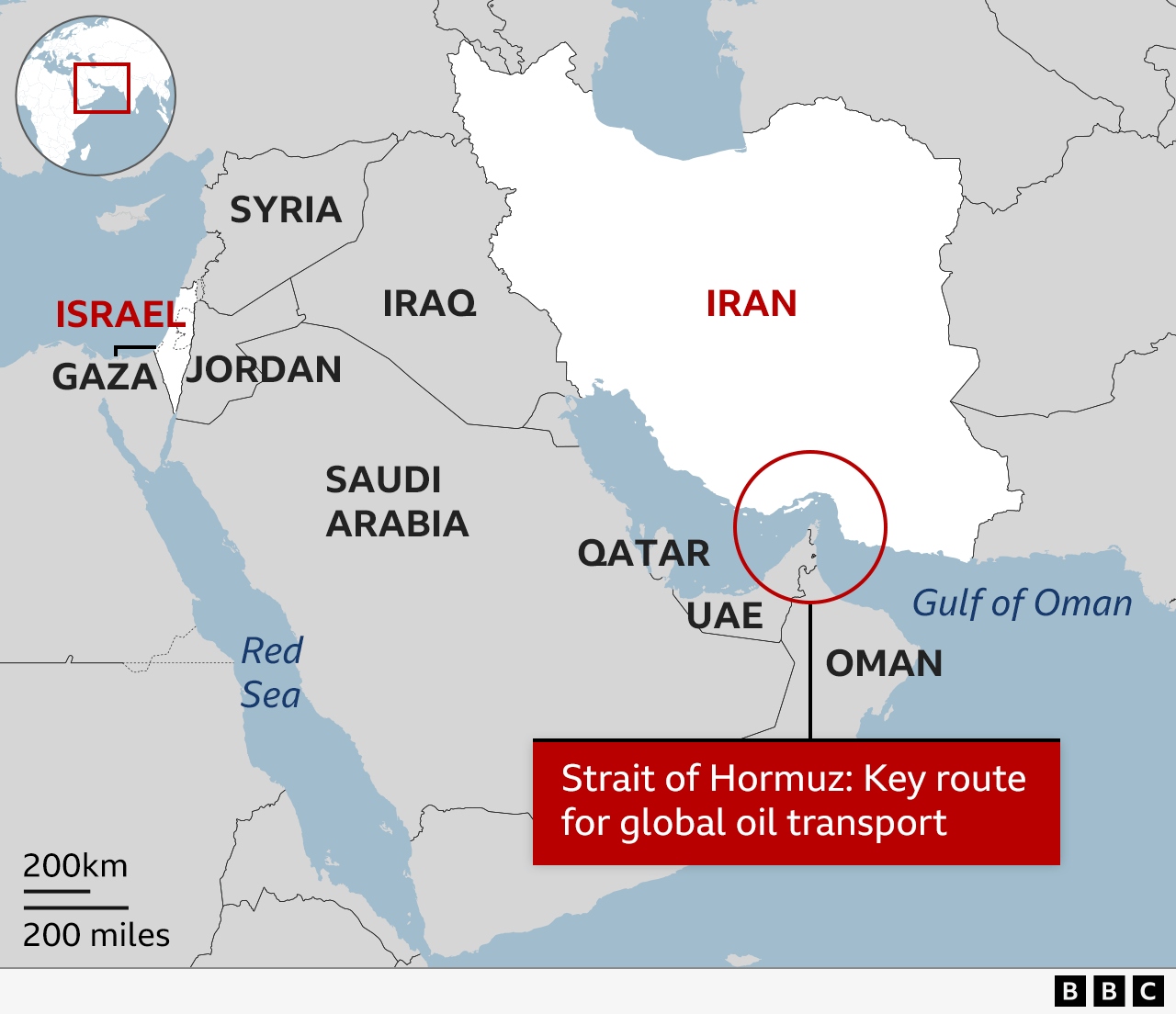
The Strait is a narrow chokepoint. It’s the world’s most important oil artery. Roughly 20% of the world’s liquid petroleum passes through that tiny strip of water. When things get ugly, the first thing that happens is the water gets filled with "surprises." I’m talking about naval mines, scuttled vessels, and unexploded ordnance. You can't just flip a switch and resume shipping.
We’re looking at months of grueling, dangerous work before a standard insurance provider will even look at a tanker heading for the Persian Gulf. Here is why the "reopening" of the Strait of Hormuz is going to be a slow, painful crawl.
The Invisible Threat Beneath the Waves
First, let's talk about the mines. Iran has one of the largest inventories of naval mines in the world. They aren't all high-tech, either. Some are old-school contact mines that bob around just below the surface. Others are "smart" mines that sit on the seabed and wait for the specific acoustic signature of a massive oil tanker before they detonate.
During the conflict, laying these mines was a defensive necessity for Tehran. Now, they’re a liability. The problem is that mines drift. Tides in the Strait are notoriously strong. A mine dropped near Bandar Abbas three weeks ago could be miles away today. Clearing them requires specialized mine-countermeasure (MCM) vessels.
The U.S. Navy’s Fifth Fleet, based in Bahrain, has some of the best tech for this. They use SeaFox drones and specialized sonar. But it’s slow. Think of it like trying to mow a football field with a pair of tweezers while blindfolded. You have to be certain you didn’t miss a single one. One explosion wipes out the entire ceasefire's credibility and sends oil prices back into the stratosphere.
Shipping Insurance is the Real Gatekeeper
You might think the military decides when the Strait is open. They don't. The insurance underwriters in London do. Groups like the Lloyd’s Market Association’s Joint War Committee decide which waters are "listed areas." Right now, the Strait is a giant red zone.
If you’re a tanker owner, you don't move a $100 million ship carrying $100 million worth of crude into a war zone without insurance. Currently, those premiums are insane. Even with a ceasefire, insurers won't drop their rates until they see proof of a "clean" channel.
They’ll demand a multi-stage verification process. First, a military sweep. Then, a period of "safe passage" for smaller, less valuable ships. Only then do the VLCCs (Very Large Crude Carriers) get the green light. Expect the insurance industry to move at the speed of a glacier. They’re risk-averse by design. They won't take "trust us, it's fine" from a politician as an answer.
The Scuttled Ship Problem
During the height of the tension, several vessels were damaged or sunk in or near the shipping lanes. These aren't just eyesores. They’re navigational hazards. The Strait of Hormuz has a very specific Traffic Separation Scheme (TSS). It’s essentially a two-lane highway for ships.
One lane is for entering the Gulf, the other for leaving. They’re separated by a buffer zone. If a damaged vessel is sitting in the middle of one of those lanes, the whole system breaks. Salvage operations for a massive tanker take weeks. You need heavy-lift cranes, specialized divers, and calm weather.
Beyond the physical hulks, there's the debris. Shrapnel, shipping containers that fell overboard, and even destroyed drones can mess with the sensitive propulsion systems of modern ships. It’s a mess. Honestly, it’s a maritime junkyard right now.
Rebuilding the Broken Trust
Ceasefires are fragile. A "ceasefire" isn't a peace treaty. It’s just an agreement to stop shooting for a bit. The crews who man these ships—mostly sailors from the Philippines, India, and Eastern Europe—are terrified. They’ve spent months dodging "limpet mines" and worrying about being boarded by revolutionary guards.
You can’t just tell a captain to head back in and expect him to be cool with it. Shipping companies have to convince their staff that the danger has passed. That requires more than a press release. It requires a visible, sustained presence of international naval escorts.
The U.S. and its allies will likely have to continue Operation Sentinel or similar maritime security constructs for months. This creates a weird paradox. To make the Strait safe, you need more warships. But more warships usually make everyone nervous. It’s a delicate balancing act that requires constant communication between the U.S. Navy and the Iranian Navy. Yes, they actually have to talk to each other to avoid "accidents."
The Impact on Global Supply Chains
If you’re waiting for gas prices at your local pump to drop because of the ceasefire, don't hold your breath. The lag time is real. Even if the Strait opened perfectly today, the backlog of ships is enormous.
There are tankers sitting at anchor off the coast of Fujairah and in the Indian Ocean, just waiting. They’ll all try to rush in at once. This creates a secondary bottleneck at the loading terminals in Ras Tanura and Jubail. The logistics of restarting the global oil flow are just as complex as the military side of things.
The world’s refineries have been drawing down their inventories to cope with the disruption. They need to replenish those stocks. This means demand will spike the moment the Strait is deemed "safe-ish." You’re going to see a lot of volatility before things settle into a new normal.
The Regional Players and Their Agendas
Don't forget about the neighbors. Saudi Arabia and the UAE have spent the last few years trying to bypass the Strait of Hormuz. The East-West Pipeline in Saudi Arabia and the Habshan-Fujairah pipeline in the UAE were built specifically for this scenario.
These countries might not be in a huge rush to see the Strait return to its former dominance. They’ve invested billions in alternatives. They’ll want to ensure that any reopening happens on terms that don't leave them vulnerable to another Iranian blockade in six months.
Then there’s China. They’re the biggest customer for that oil. Beijing has been playing the middleman, trying to keep the peace while securing its energy needs. They’ll likely push for a heavy international presence that includes their own PLAN (People's Liberation Army Navy) vessels. This adds another layer of geopolitical complexity to the "cleanup" effort.
What Needs to Happen Now
The reality is that "reopening" is a process, not an event. If you’re tracking this, look for these specific milestones over the next few months.
Stop watching the news tickers and start watching the maritime notices to mariners (NOTAMs). When the U.S. Naval Forces Central Command (NAVCENT) issues a formal statement that the shipping lanes are clear of mines, that’s your first real sign of progress.
Next, watch the Joint War Committee's "Listed Areas" updates. When the Strait of Hormuz is moved from "high risk" to "monitored," you’ll know the insurance companies are finally satisfied.
Finally, keep an eye on the daily tanker transit counts through the Strait. Currently, they’re at a fraction of their normal levels. We need to see a return to the average of 80 to 100 large vessels per day before we can say the crisis is truly over.
The ceasefire is a start. It’s a great start. But the physical and economic scars on the Strait of Hormuz are deep. It’s going to take a lot of divers, a lot of sonar, and a whole lot of patience to fix it. Don't expect a smooth ride.
The best move for anyone involved in global trade or energy right now is to keep their hedges in place. Assume the Strait is effectively closed for the next 60 to 90 days for major traffic. If it opens sooner, great. But betting on a quick fix in one of the most volatile regions on Earth is a losing game. Keep your eyes on the technical data and ignore the political victory laps.