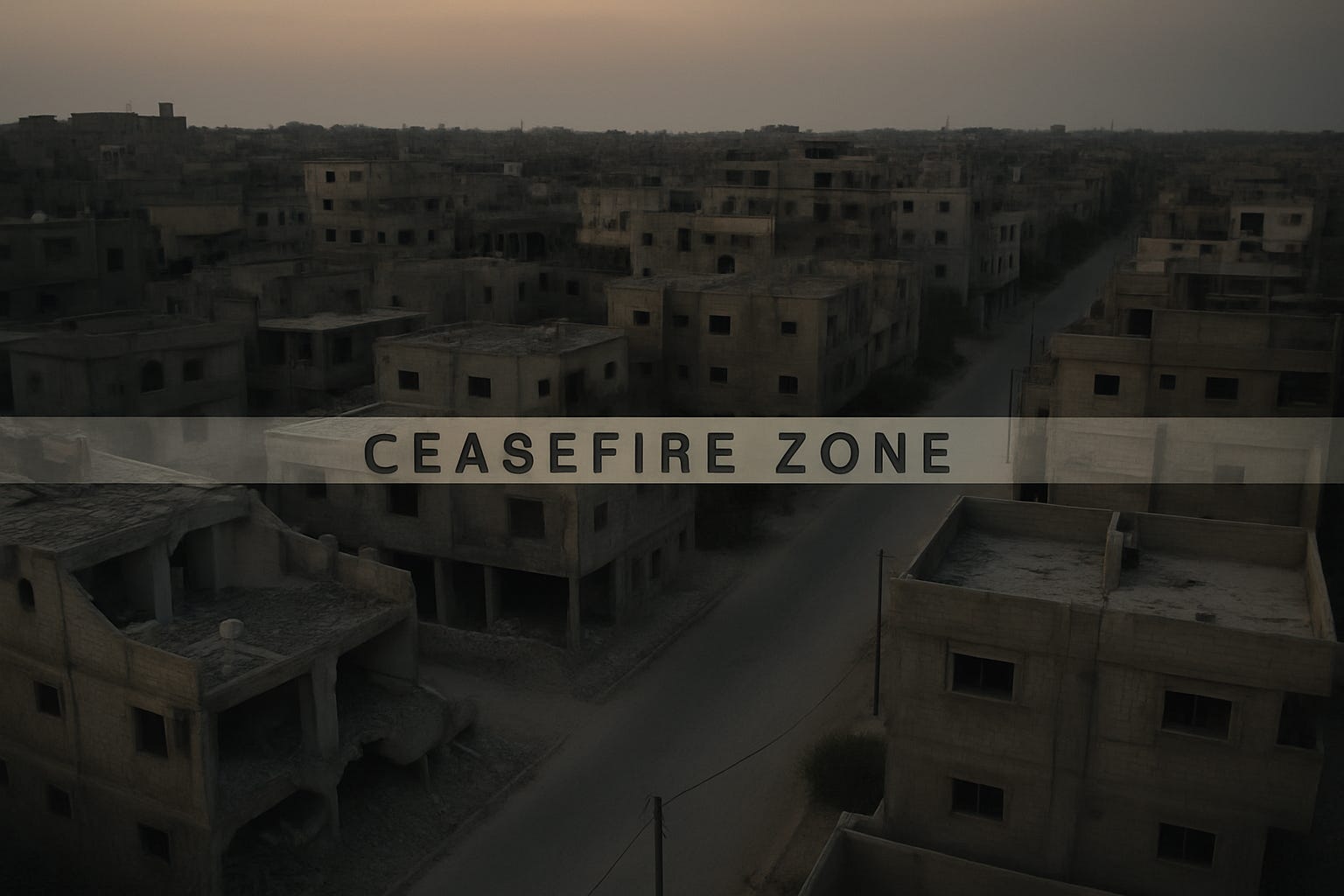
The conventional wisdom regarding the Israel-Hezbollah standoff is a masterclass in performative ignorance. Headlines scream about rejected ceasefires and impending diplomatic talks as if these are legitimate tools for stabilization. They are not. They are tactical pauses disguised as progress, designed to satisfy the bureaucratic appetites of Western mediators while ensuring the conflict remains profitable for the architects of regional chaos.
Believing that a ceasefire in this theater serves peace is like believing that stopping a lawnmower halfway through a yard will stop the grass from growing. It ignores the fundamental physics of the conflict. Israel is not rejecting a ceasefire because it hates peace; it is rejecting the illusion of a status quo that has already been liquidated.
The Myth of the Negotiated Settlement
The diplomatic class acts as if there is a magical alignment of interests hidden behind closed doors in Beirut or Jerusalem. I have spent enough time in regional security circles to know the truth: these talks are oxygen for the status quo. Every round of negotiations functions as a tactical reset button. It allows the losing side to reconstitute its munitions supply and the winning side to claim a moral high ground for the international cameras.
True stability in the Levant has never arrived via a signed document in a hotel ballroom. It arrives when the cost of hostility exceeds the capacity of the combatant to maintain it. By obsessing over the rejection of a ceasefire, media analysts are asking the wrong question. The question is not why Israel refuses to halt; the question is why anyone thinks a halt would change the underlying attrition rate.
Understanding Strategic Asymmetry
To grasp why the current narrative is failing, we must look at the mechanics of asymmetry. Hezbollah is not a state actor, though it possesses the arsenal of one. It operates on a model of perpetual, low-intensity provocation intended to bait Israel into overextending. If Israel agrees to a pause, it cedes the only advantage it has: the tempo of operations.
Imagine a scenario where Israel agrees to a six-week cessation. Within hours, the narrative would shift to "humanitarian access," which would be exploited to rearm subterranean logistics chains. This is not a conspiracy theory; it is the historical record of every single conflict involving non-state proxies in the Middle East. If you do not understand that the pause is the weapon, you do not understand the conflict.
The media loves the ceasefire narrative because it fits into a clean, predictable framework of "Conflict -> Diplomacy -> Resolution." But this is not a movie. It is a grinding, miserable struggle for regional dominance.
Why Your Focus Is Misplaced
The chatter about next week’s talks is a distraction from the reality of military necessity. When an actor like Hezbollah commits to a long-term goal of attrition, the only way to break that cycle is the total degradation of the capability to inflict harm. Anything else is just a delayed repeat of the same violence.
The diplomatic community prides itself on its "nuanced" approach to these negotiations. I call it cowardice. They hide behind process to avoid confronting the reality that some entities cannot be bargained with. When you engage in talks with a group whose founding ideology is non-negotiable, you are not acting as a mediator; you are providing them with legitimacy.
The Cost of the Professional Mediator
I have seen international organizations spend decades and billions on these "peace processes." The result is always the same: a more entrenched conflict, better-armed proxies, and a higher body count. The incentive structure for these mediators is perverse. They are paid to facilitate talks, not to achieve results. If the conflict ended, they would be out of a job.
This is why you will continue to hear calls for restraint, for de-escalation, and for "meaningful dialogue." These words are the currency of a dead industry. They do nothing to stop the artillery shells or the rocket fire. They only serve to make the person saying them feel superior while the ground burns.
The Reality of Tactical Realism
Israel’s refusal to participate in the charade is the most honest act to come out of the region in months. It acknowledges a harsh reality: there is no middle ground when one side’s objective is the permanent disruption of your existence.
Critics will argue that this approach leads to isolation. They are wrong. It leads to clarity. When you stop pretending that a ceasefire is just around the corner, you start looking at the reality of the battlefield. You stop wasting time on empty diplomatic theater and start focusing on the long-term containment of a threat.
The strategy of "managing" the conflict has failed. It was always going to fail. You cannot manage a wildfire by rearranging the chairs in the path of the flames. You either put it out, or you get out of the way.
Ignore the Noise
If you want to understand what happens next, stop reading the press releases from the diplomatic press corps. Look at the logistics. Look at the weapon inventories. Look at the internal pressure on the domestic fronts. The negotiations are noise, the kind that masks the signal of inevitable escalation.
If you truly care about the future of the region, stop demanding a ceasefire. Demand an outcome. A resolution that involves one side dictating terms to the other is the only path that has ever historically resulted in a durable peace in this part of the world. Everything else is just a temporary lull meant to give the fighters time to reload.
Stop asking for more talks. Stop asking for more mediators. Stop asking for a return to a status quo that failed years ago. Real peace is not something you negotiate; it is something you force through the undeniable exhaustion of your adversary. Until that happens, the only thing that changes is the date on the calendar.
The clock is ticking on a reality that most refuse to face. The next phase of this conflict will be decided by steel, not by the silver-tongued rhetoric of diplomats who wouldn't know a strategic reality if it hit them in the face. Put your faith in the ground truth, not the headline.