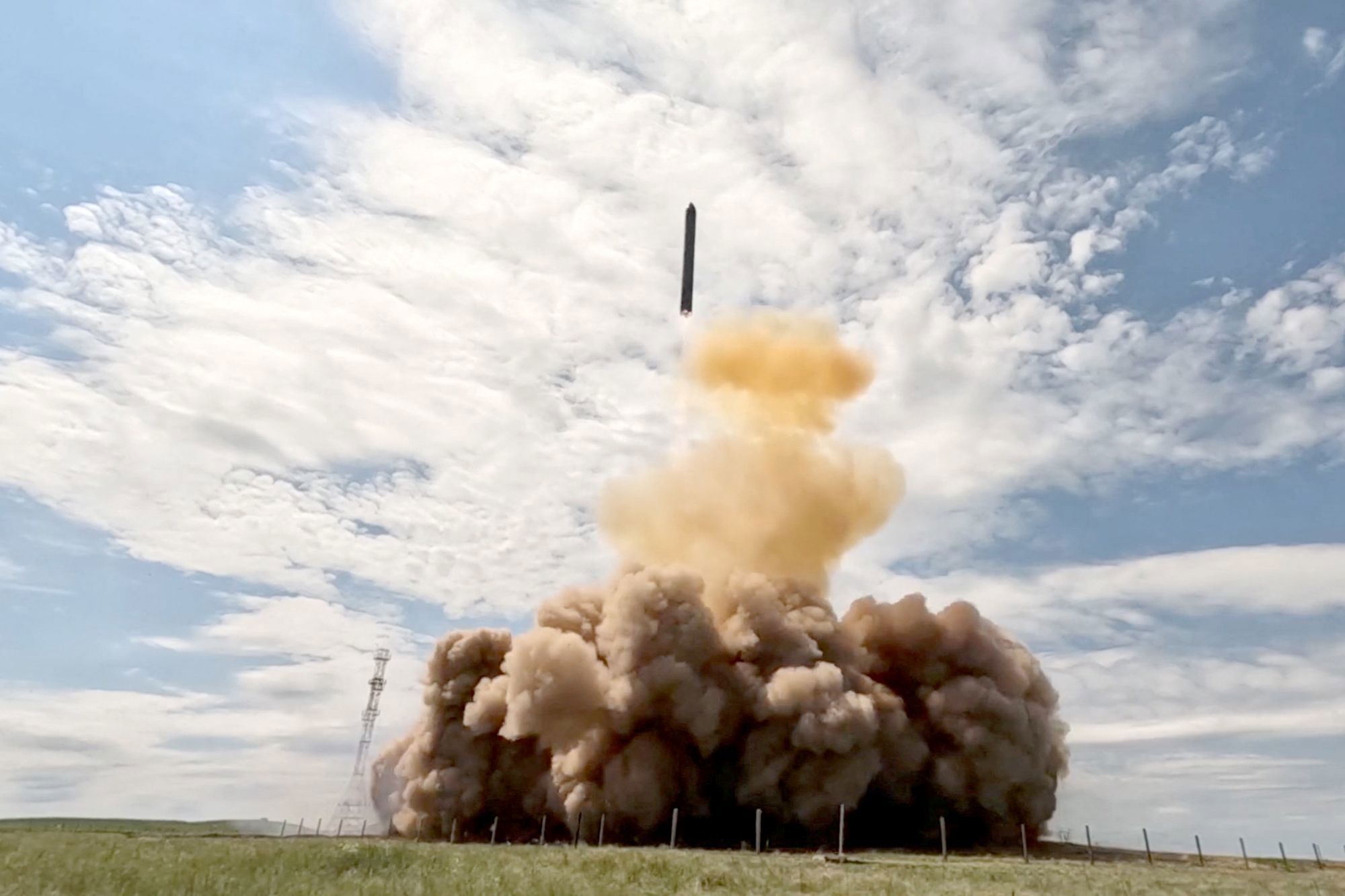
The return of humans to lunar orbit in April 2026 was not just a NASA milestone. It was a calculated, multibillion-dollar geopolitical statement for Canada. When the Orion spacecraft splashed down in the Pacific after its ten-day journey, it carried more than just Canadian Space Agency (CSA) astronaut Jeremy Hansen; it carried the weight of a national industrial strategy that has been decades in the making. Canada is now the second nation in history to send a human to the far side of the moon, a feat achieved not through its own launch capability, but through a high-stakes trade of hardware for seats.
The Artemis II mission was the definitive proof of concept for Canada’s "robotic currency." To get Hansen into that capsule, the Canadian government committed to building Canadarm3, a highly autonomous robotic system destined for the Lunar Gateway. This is the bedrock of the Canadian approach. We do not build rockets; we build the hands that maintain them. However, as the 2026-27 Departmental Plan for the CSA reveals, maintaining this position requires more than just pride. It requires navigating a tightening fiscal environment where space spending is being squeezed even as the global space economy accelerates.
The Canadarm3 Gambit
The agreement is simple on paper but incredibly complex in execution. NASA provides the transport; Canada provides the robotics. Canadarm3 is a massive leap over its predecessors on the International Space Station. It must operate 400,000 kilometers away from Earth with minimal human intervention. Unlike the current arms that rely on real-time commands from ground control, the lunar arm needs advanced artificial intelligence to manage the Gateway’s maintenance while the station is unoccupied.
This technological demand has funneled hundreds of millions into Brampton-based MDA and a sprawling network of subcontractors. For the federal government, this is an industrial play. The space sector contributed $3.4 billion to Canada’s GDP in 2024, and the goal is to use Artemis to anchor a domestic ecosystem that can compete with private giants like SpaceX or Blue Origin.
But there is a catch. The delivery of Canadarm3 is currently slated for no earlier than 2029. Until that arm is attached to the Gateway, Canada is essentially flying on credit. The success of Artemis II was the first major installment on that debt, but the pressure to deliver the hardware on time and on budget is immense.
A Growing Budgetary Friction
While the images of Hansen witnessing "Earthrise" provided a massive public relations win, the financial reality behind the scenes is sobering. The CSA is currently facing a comprehensive expenditure review. Internal documents show planned spending reductions of over $14 million annually by 2028-29. This comes at a time when other nations are ramping up their lunar ambitions.
Critics argue that Canada is spread too thin. The agency is simultaneously trying to fund:
- WildFireSat: A world-first constellation for monitoring forest fires, projected to save the economy billions.
- Lunar Exploration Accelerator Program (LEAP): Funding for small and medium enterprises to land sensors on the moon.
- Domestic Launch Capabilities: A $200 million investment in a Nova Scotia launch pad to finally end the reliance on foreign rockets for small satellites.
The tension is obvious. Can Canada afford to be a primary partner in human exploration while also addressing urgent climate-monitoring needs at home? The government’s answer is that they are one and the same—that the technology developed for the moon, like the neuroArm used in brain surgery, eventually pays for itself. But in a 2026 economy, the "eventually" is becoming a harder sell to a public focused on immediate domestic concerns.
The Fighter Pilot at the Table
Jeremy Hansen’s role on Artemis II was "Mission Specialist," a title that undersells the diplomatic heavy lifting he performed. As a former CF-18 pilot and the first Canadian to lead a NASA astronaut class, Hansen was not a passenger. He was the test subject for the interfaces and life-support systems that will carry the first woman and the next man to the lunar surface during Artemis III and IV.
His presence in the capsule also serves as a hedge against shifting American political winds. Space diplomacy is one of the few areas where Canada maintains a position of absolute necessity to the United States. By integrating Canadian tech into the very skeleton of the Lunar Gateway, Canada ensures it cannot be easily sidelined from the next century of orbital infrastructure.
Beyond the Flyby
The success of the April mission was a victory of engineering, but the real challenge is what happens when the cameras turn off. Canada has secured a second seat on a future mission to the Lunar Gateway, likely for Jenni Gibbons, who served as Hansen’s backup. To keep that seat, the CSA must prove it can move beyond being a provider of "niche" robotics.
The push for a Canadian-owned launch pad in Canso, N.S., represents a pivot toward "space independence." For the first time, Canada is looking to control the full chain—from building the satellite to putting it in the sky. It is a risky move that requires the government to think less like a scientific body and more like a venture capitalist.
The Artemis program has given Canada a front-row seat to the lunar surface, but it has also exposed the fragility of a strategy dependent on international bartering. If Canada wants to remain more than just a talented subcontractor, the next three years of robotic development and domestic launch infrastructure will be more critical than the ten days spent circling the moon.
The path forward is not found in the stars, but in the precision of the manufacturing floors in Ontario and the launch windows in Nova Scotia. The moon is no longer a destination; it is a marketplace. Canada has paid for its entry. Now it has to figure out how to stay there.