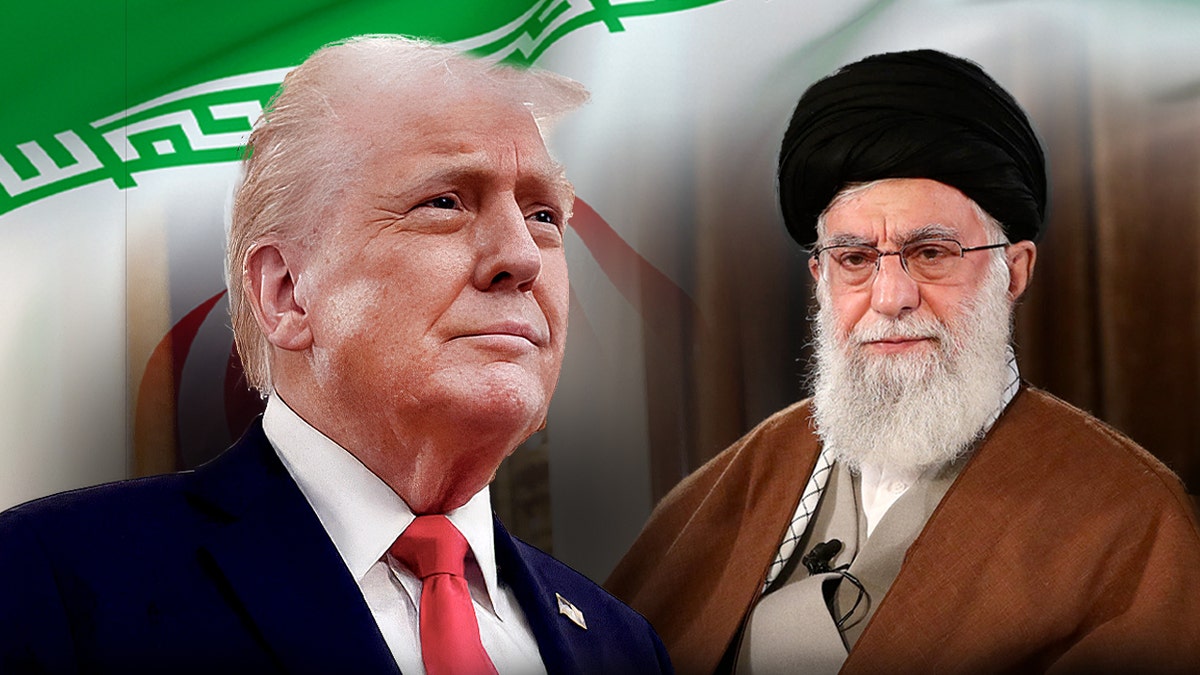
The diplomatic circuit calls it "unpredictability." In the corridors of Tehran and the luxury hotels of Vienna, they call it a disaster. But the current American approach to Iran is not a series of accidental outbursts or the result of a leader losing his grip on the script. It is the deliberate application of high-stakes leverage designed to break a four-decade-old status quo. While mainstream critics focus on the surface-level confusion of contradictory statements and sudden policy shifts, the underlying mechanism is a brutalist form of economic warfare that prioritizes total capitulation over incremental progress.
The immediate goal is simple. Washington wants to starve the Iranian revolutionary apparatus of the hard currency it needs to fund regional proxies and maintain domestic internal security. By creating an atmosphere of permanent instability, the U.S. ensures that no European bank or Asian energy conglomerate will risk a twenty-year investment in the Iranian market.
The Strategy of Maximum Pressure Through Uncertainty
Conventional diplomacy relies on "red lines"—clear boundaries that, if crossed, trigger specific consequences. The current administration has effectively erased these lines, replacing them with a gray zone of constant escalation. This isn't just about a nuclear deal. It is about a fundamental rewrite of the regional power balance.
When the White House issues a threat one day and an invitation to talk the next, it isn't a mistake. It is a psychological tactic intended to keep the Iranian leadership in a state of reactive paralysis. If the Supreme Leader doesn't know whether he is facing a cruise missile or a trade delegation, he cannot formulate a coherent long-term defense.
This creates a vacuum. In that vacuum, the Iranian rial has plummeted, losing significant value against the dollar in record time. Inflation in Tehran isn't just a statistic; it is a weapon of war. When the price of poultry and fuel spikes, the pressure moves from the diplomatic cables to the streets of Isfahan and Mashhad.
Beyond the Nuclear Ghost
Most analysts are still fighting the last war, obsessing over the Joint Comprehensive Plan of Action (JCPOA). They are missing the forest for the trees. The nuclear issue is merely the most visible lever in a much larger machine. The real objective encompasses three distinct pillars that the previous agreements failed to address effectively.
- The Ballistic Missile Infrastructure: Unlike the 2015 deal, the current stance demands a total dismantling of Iran's long-range delivery systems.
- Regional Hegemony: The "Land Bridge" from Tehran to the Mediterranean via Baghdad and Damascus is the primary concern for regional allies like Israel and Saudi Arabia.
- Succession Dynamics: With the aging leadership in Tehran, Washington is betting that external pressure will fracture the internal consensus during the inevitable transition of power.
The logic is cold. If you squeeze the economy hard enough, the various factions within the Iranian government—the hardliners, the pragmatists, and the Revolutionary Guard—will eventually turn on each other to protect their own dwindling resources.
The European Dilemma and the Ghost of Swift
European powers find themselves caught in a vice. They desperately want to preserve the framework of international law and keep their companies active in the Iranian energy sector. However, the dominance of the U.S. dollar makes "strategic autonomy" a pipe dream.
Consider the SWIFT banking system. Even if European governments create special purpose vehicles to trade with Iran, private banks are terrified of being barred from the American financial system. For a bank in Frankfurt or Paris, the choice between the Iranian market and the American market isn't a choice at all. It is a foregone conclusion.
This financial hegemony is the real "chaos" being deployed. It isn't just confusing the Iranians; it is forcing America's oldest allies to choose between their diplomatic principles and their balance sheets. So far, the balance sheets are winning.
Why Domestic Politics Dictates the Timeline
To understand the timing of these "intemperate" outbursts, one must look at the American electoral map rather than the map of the Middle East. Foreign policy is often treated as a grand game of chess played by intellectuals, but in reality, it is more like a campaign rally.
Every aggressive tweet and canceled meeting serves a specific domestic constituency that views the 2015 deal as a historic betrayal. By appearing "tough" and "unpredictable," the administration signals strength to its base, regardless of whether a single centrifuge actually stops spinning. This creates a dangerous feedback loop. To maintain the "tough" image, the administration must constantly raise the stakes, leaving very little room for a face-saving exit for either side.
The High Cost of the Shadow War
While the world watches the high-level rhetoric, a shadow war is already underway. It manifests in cyberattacks on oil infrastructure, mysterious explosions at military research facilities, and the seizure of tankers in the Persian Gulf.
This is where the strategy of chaos becomes most dangerous. In a system where nobody knows the rules, a simple misunderstanding between a ship captain and a drone operator can spiral into a regional conflagration that no one actually wants. The "confusion" the critics decry is real, and it has a body count.
The Iranian response has been "Strategic Patience," but that patience is wearing thin. They have begun to incrementally breach the limits of their uranium stockpiles, not because they want a bomb tomorrow, but because they need their own leverage to bring to the table. They are showing the West that if they go down, they can take the global energy market with them.
The Illusion of the Grand Bargain
There is a persistent myth in Washington that if the pressure gets high enough, Iran will crawl to the table and sign a "Grand Bargain" that settles everything from human rights to Hezbollah. This ignores the fundamental nature of the Iranian regime. For the hardliners in the IRGC, the struggle against the "Great Satan" is the core of their identity and their excuse for holding power.
If they give in completely, they lose their reason for existing. Therefore, the more pressure the U.S. applies, the more the hardliners can crack down on internal dissent, labeling any reformer as a foreign agent. The irony of the "Maximum Pressure" campaign is that it may be killing the very people in Iran who actually want a more open relationship with the West.
The Logistics of a Failed State
We must consider the possibility that the goal isn't a deal at all, but a controlled collapse. If Iran becomes a failed state, it can no longer project power in Lebanon, Yemen, or Syria. But the world should be careful what it wishes for. A collapsed Iran would send millions of refugees into Europe and create a power vacuum that makes the rise of ISIS look like a rehearsal.
The intelligence community is quietly sounding the alarm about the "day after" a regime collapse. There is no organized opposition ready to take over. There is no pro-Western democratic movement waiting in the wings with the logistical capability to manage a country of 85 million people.
The Oil Factor and Global Markets
The current volatility is manageable only as long as global oil demand remains stagnant or supplied by other sources. If the U.S. successfully drives Iranian exports to zero, and a secondary crisis hits another major producer like Libya or Nigeria, the "chaos" in the Iran talks will suddenly become a crisis at every gas station in America.
The administration is betting that American shale production can act as a permanent buffer against Middle Eastern instability. This is a gamble. Shale is sensitive to price drops, and the debt loads of American energy companies make them vulnerable to the very market swings this policy creates.
Breaking the Cycle of Failed Diplomacy
If there is a way out of this, it won't be through a 500-page technical document or a sudden "bromance" between leaders. It will require a return to "Small Ball" diplomacy—minor, verifiable wins that build a shred of trust.
- Humanitarian Corridors: Establishing clear, sanctions-exempt channels for medicine and food to prove the policy isn't aimed at the Iranian people.
- Regional De-escalation: Encouraging direct talks between Riyadh and Tehran to lower the temperature in Yemen.
- Technical Transparency: Maintaining the IAEA's access to Iranian sites even while the broader political fight continues.
These are not "game-changers." They are survival tactics.
The current policy of "calculated chaos" has succeeded in making Iran poorer and more isolated than it has been in decades. It has succeeded in proving that the U.S. can weaponize the global financial system with terrifying efficiency. But it has yet to prove that it can actually achieve a lasting peace.
Force is a blunt instrument. It can break a regime, but it cannot build a stable neighbor. The confusion we see today isn't a bug in the system; it is the system itself. Whether that system leads to a new treaty or a new war depends entirely on whether the architects of this chaos know how to turn it off once they get what they want.
Demand a clear definition of what "victory" looks like before the next round of escalation begins.