The directive from the U.S. State Department on March 2, 2026, was as blunt as it was terrifying: "DEPART NOW." But for the estimated 500,000 to one million American nationals currently positioned across the Middle East, that order was less of a lifeline and more of a cruel paradox. You cannot depart a region where the sky has effectively been erased.
By March 4, the crisis has entered a grim second stage. While the initial shock of the joint U.S.-Israeli strikes on Iran and the subsequent retaliatory volleys created a 2.8 million square kilometer "hole in the sky," the secondary disaster is logistical. The world’s busiest transit hubs—Dubai, Abu Dhabi, and Doha—are not just experiencing delays. They have become bottlenecks of human desperation.
The Myth of the Easy Exit
The primary failure of recent reporting is the suggestion that being "stranded" is merely a matter of waiting for the next available flight. It isn't. Aviation analytics from Cirium and Flightradar24 show that over 12,000 flights were scrubbed in the first 72 hours of the conflict. When a hub like Dubai International (DXB) shuts down, it doesn't just stop local traffic; it severs the primary artery between the West and Asia.
For the American business traveler or tourist in the UAE or Qatar, the reality is a high-stakes shell game. Commercial carriers like Emirates and Qatar Airways have extended suspensions daily. Even as limited "repatriation" corridors are discussed, the math is impossible. There are simply more people than seats, and the "commercial options" the State Department urged citizens to use have evaporated.
The Two-Tiered Evacuation
While the State Department’s 24/7 hotline plays automated messages advising callers not to rely on the government for evacuation, a shadow market has emerged for those with deep pockets. Investigative leads suggest a widening gap in how the "stranded" are actually getting home:
- The Elite Corridor: Wealthy travelers are reportedly paying upwards of $200,000 for private charters out of secondary, non-targeted airfields. These flights often take circuitous routes through the Caucasus or deep into Africa to avoid the "active fire" zones of the Gulf.
- The Commercial Lottery: Average citizens are left refreshing apps on hotel Wi-Fi that may or may not stay connected. They are competing with tens of thousands of other nationalities for the same handful of seats on the few flights operating out of peripheral hubs like Cairo or Muscat.
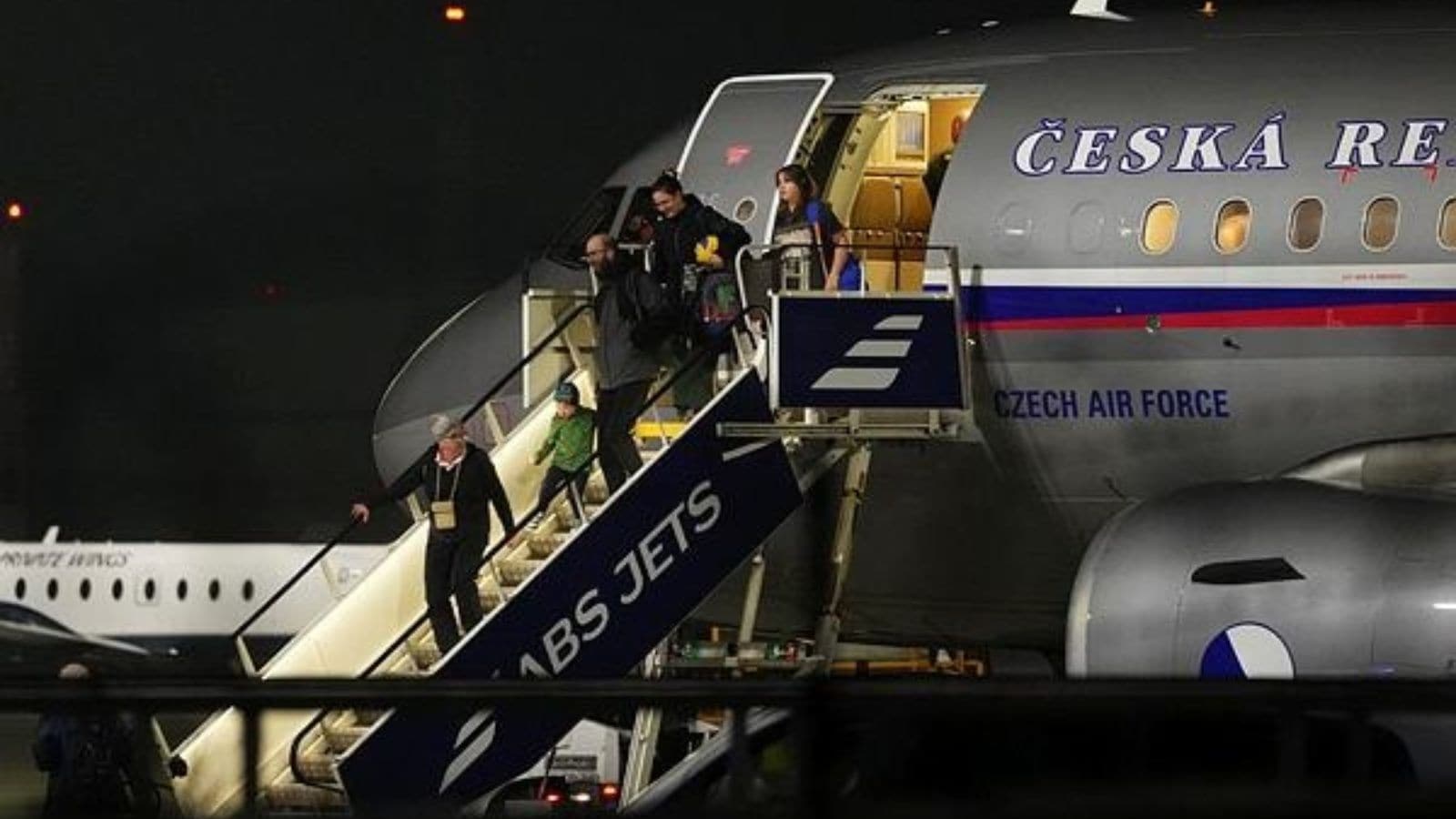
The U.S. government’s shift on March 3 to finally "facilitate" charter and military flights is a tacit admission that the "depart via commercial means" strategy was a catastrophic miscalculation.
The Insurance Trap and the "War Exclusion"
A factor largely ignored in the rush to cover the military hardware is the financial ruin facing those left behind. Most standard travel insurance policies contain a War Exclusion Clause. This means that once a conflict is officially recognized or "declared," coverage for trip interruption, hotel stays, and even emergency medical evacuations often vanishes.
Travelers who followed government advice to stay in their hotels are now watching their credit card limits vanish. Hotels in Dubai and Doha, while largely supportive, are businesses. They are not charities. Without a clear signal from insurers or a massive government-led airlift, thousands of Americans are facing five-figure bills for "sheltering in place" in some of the most expensive cities on earth.
The Geopolitical Deadlock
Why hasn't there been a massive, 1990-style evacuation? The answer lies in the complexity of the modern Middle Eastern airspace. Unlike previous conflicts confined to a single country, this "widening gyre" involves signal-jamming, GPS interference, and the constant threat of drone swarms.
Airlines aren't just worried about missiles; they are worried about losing navigation. The risk of a "catastrophic accident" involving a civilian jet is too high for most Western carriers to stomach, leaving the U.S. military as the only viable operator. But deploying gray-tail military aircraft into contested Gulf airspace carries its own set of escalatory risks that the Pentagon is clearly hesitant to take.
What the Ground Reality Looks Like
If you are currently in the region, the "action steps" provided by official channels are frequently contradictory.
- The Land Route Gamble: Some are attempting to drive to Saudi Arabia or Egypt. This is a 12-hour journey through desert checkpoints that are increasingly clogged and under-resourced.
- The STEP Fallacy: Enrolling in the Smart Traveler Enrollment Program (STEP) is necessary, but it is not a ticket home. It is a mailing list.
- The "Third Country" Strategy: The most successful departures aren't going to New York or London. They are going to Riyadh or Muscat first, then fighting for a connection out of those relatively stable zones.
The situation remains fluid, but the initial window for a clean exit has slammed shut. We are no longer talking about a travel disruption. This is a civilian containment crisis.
The State Department claims 17,500 Americans have made it out since the fighting started. That leaves hundreds of thousands more waiting for a sky that isn't on fire. Until the U.S. commits to a full-scale non-combatant evacuation operation (NEO), those travelers aren't just stranded; they are political pawns in a regional firestorm.
Monitor the +1-202-501-4444 line, but recognize that your most viable path out today is likely a land-bridge to a secondary hub, not a miracle flight from a shuttered international airport.