The world is currently relearning a painful, century-old lesson: energy security is a fragile myth. Over the last few weeks, crude oil prices have surged past $90 per barrel, with some benchmarks touching $110 in volatile trading. This isn't a slow burn or a manageable market correction. It is a violent rupture caused by a convergence of military brinkmanship in the Persian Gulf, the exhaustion of Western strategic reserves, and the collapse of the "shadow" supply chains that previously kept global markets liquid.
While analysts spent 2025 predicting a "supply glut" and a transition to green alternatives, the reality of March 2026 has exposed the structural rot. Governments are no longer just managing prices; they are scrambling to prevent total industrial paralysis. From the aggressive tapping of remaining Strategic Petroleum Reserves (SPR) to the quiet return of heavy-handed fuel subsidies in emerging markets, the response has been reactive, desperate, and increasingly ineffective.
The Geopolitical Risk Premium Returns with a Vengeance
For years, the "geopolitical risk premium" was a ghost—a term used by traders to justify $5 fluctuations. Today, it is a $20 to $25 anchor on every barrel of Brent crude. The primary driver is the escalating friction between the United States and Iran, which has moved from diplomatic posturing to direct threats against the Strait of Hormuz.
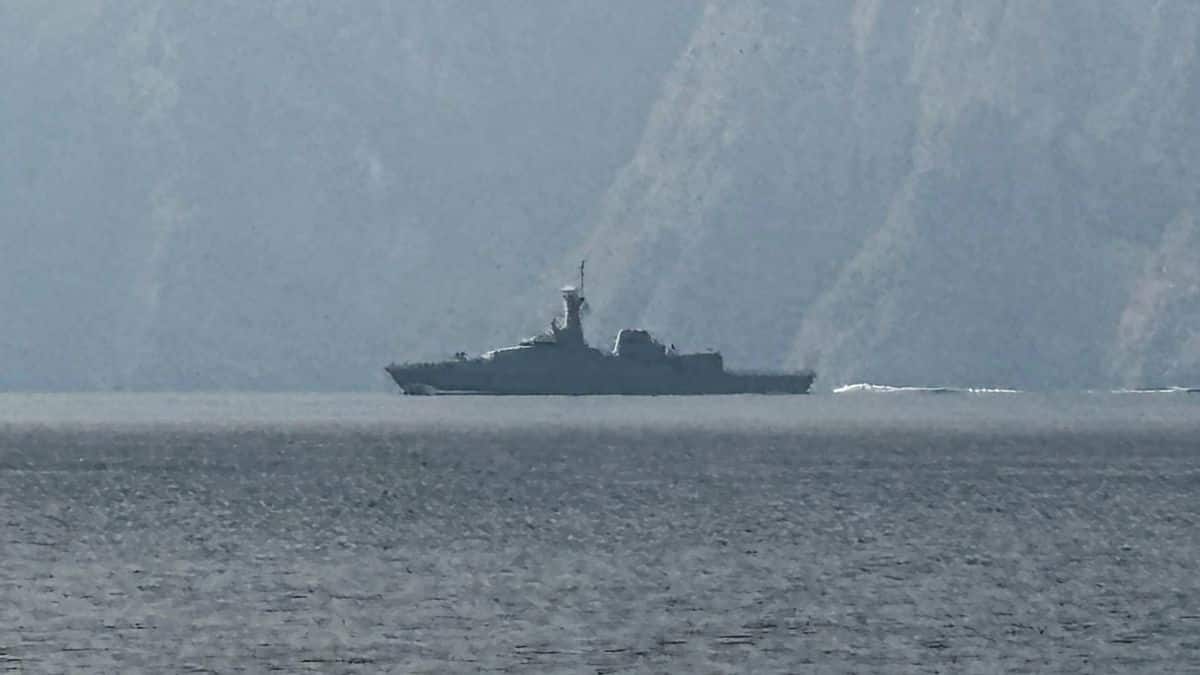
The Strait handles roughly 20% of the world’s petroleum liquids. When the U.S. advised merchant vessels to steer clear of Iranian waters in mid-February, the market didn't just react; it panicked. We are seeing a "fear-weighted" pricing model where traders are no longer looking at current inventory, but are instead pricing in the 95th-percentile disaster scenario: a total blockage of the Gulf.
The Failure of the Strategic Petroleum Reserve
In the United States, the SPR—once the crown jewel of energy defense—is looking dangerously thin. Following the historic releases of 2022 and subsequent "maintenance" drawdowns, the reserve currently sits at approximately 395 million barrels. This provides less than 20 days of coverage for total U.S. consumption.
The strategy of "sell high, buy low" to refill the caverns has failed. The Department of Energy cancelled several refill solicitations in late 2024 and 2025 as prices refused to stay below the $79 target. Now, with prices north of $90, the U.S. is facing a strategic deficit. It cannot afford to release more oil to dampen prices without compromising national security, yet it cannot afford to buy oil to refill the reserve without further driving up the global price. It is a mathematical trap with no easy exit.
A Divergent Global Response
Different nations are reaching for different levers, creating a bifurcated global economy. The "energy-secure" and the "energy-exposed" are drifting apart, with the latter group facing a potential decade of lost growth.
The Subsidy Trap in Emerging Markets
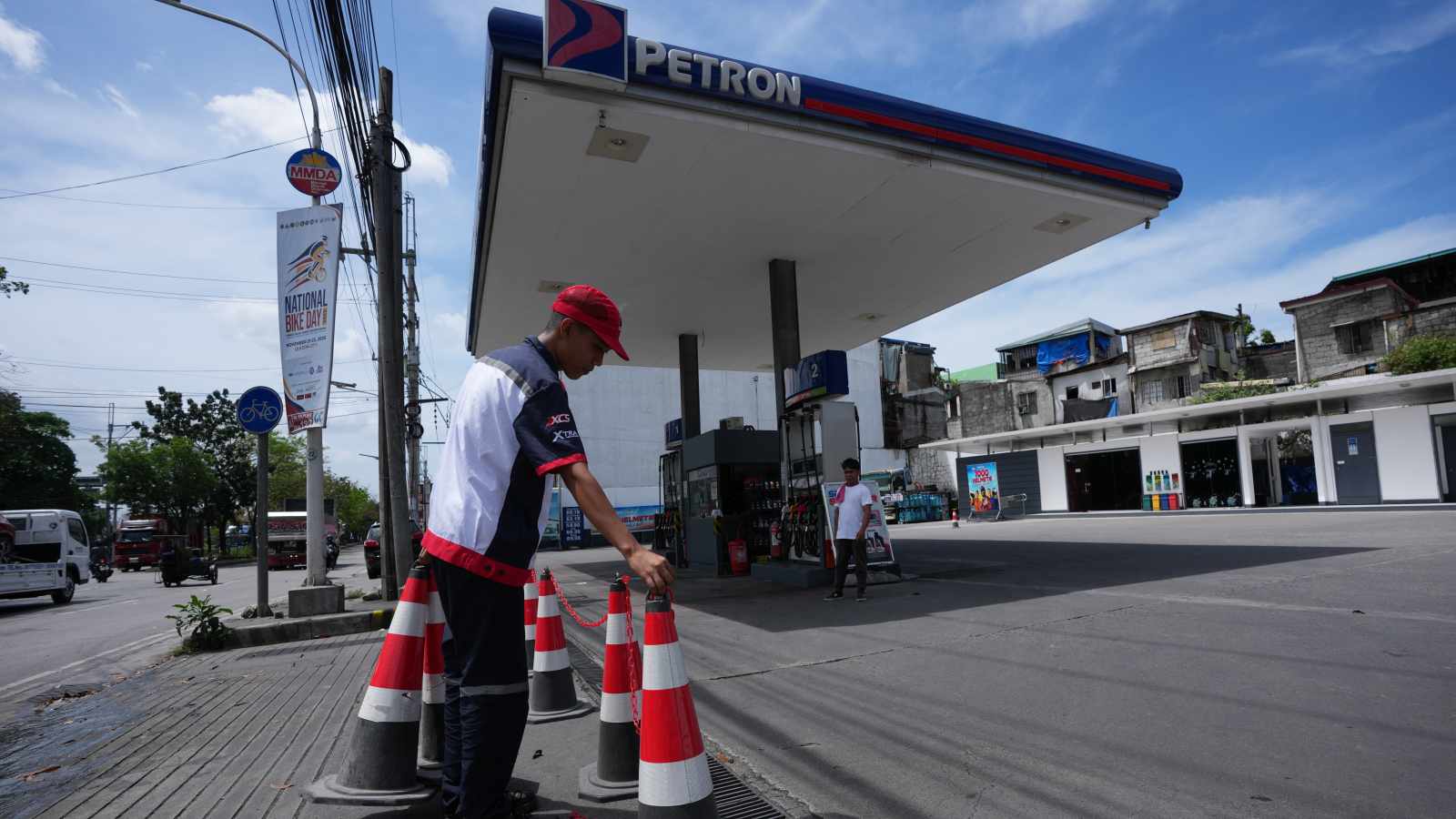
In India, Brazil, and parts of Southeast Asia, the response has been a return to the subsidy era. To prevent civil unrest, governments are capping prices at the pump and absorbing the difference on their national balance sheets. It is a short-term fix with a long-term poison pill.
- Fiscal Erosion: The IMF estimates that for every $10 increase in oil prices, global inflation rises by 0.4 percentage points. For emerging markets, the hit is often double that.
- Debt Spirals: Financing these subsidies requires taking on high-interest debt, precisely when the Federal Reserve is reconsidering its planned 2026 rate cuts due to "hot" energy-driven inflation.
The Chinese Buffer
China has played a different game. Throughout 2025, while the West waited for lower prices, Beijing aggressively filled its commercial and strategic stocks. Data suggests Chinese crude inventories grew by over 110 million barrels last year alone. By building a massive physical buffer, China has insulated its manufacturing sector from the immediate shock, allowing it to maintain export competitiveness while Western competitors reel from rising input costs.
The Death of the Disinflation Narrative
Central banks in the Eurozone and North America were, until very recently, signaling a "soft landing" and a return to 2% inflation targets. The crude spike has shredded those forecasts. Energy is the ultimate "input" cost; it affects the price of everything from the fertilizer used in grain production to the electricity used in AI data centers.
The $100-per-barrel scenario is no longer a tail risk—it is the baseline. This puts the Federal Reserve and the ECB in an impossible position. If they hike rates to combat energy-driven inflation, they risk crushing an already fragile post-2024 recovery. If they hold steady, they risk letting inflation expectations become unanchored.
The Shadow Market Collapse
One of the most overlooked factors in the 2026 surge is the tightening of the "shadow fleet" regulations. For the past three years, a significant portion of the world's oil—primarily from Russia and Venezuela—moved through a grey market of uninsured, aging tankers. New, more stringent enforcement of maritime insurance and tracking has forced many of these vessels out of service.
This has effectively "de-synergized" the global supply. Barrels that used to flow quietly to India and China are now stuck or redirected through much longer, more expensive routes. The "friction" in the system has increased, and in a high-demand environment, friction equals higher prices.
The Crude Reality for the Energy Transition
Ironically, the spike in oil prices has not accelerated the green transition as many hoped. Instead, it has triggered a "survivalist" energy policy. Governments are restarting coal plants and extending the lives of aging nuclear reactors to ensure the lights stay on. The capital that was supposed to go toward long-term renewables is being diverted to immediate fuel subsidies and domestic drilling incentives.
We are entering a period of procyclical volatility. High prices lead to less investment in new production due to the fear of a sudden "green" demand collapse, which in turn leads to lower supply and even higher prices later. The "transition" is not a smooth ramp; it is a series of violent shocks.
If you are waiting for a return to $60 oil, you are waiting for a world that no longer exists. The current crisis is the result of a decade of underinvestment and a geopolitical order that has lost its stabilizer. The only certainty is that the cost of doing nothing has just surpassed the price of the barrel itself.
Would you like me to analyze the specific fiscal impact of this oil spike on the G7 economies' 2026 budget projections?