Isolation is not just a quiet tragedy of the modern soul. It is a biological tax and a massive fiscal drain on public health systems. While local news outlets often frame "wellbeing gardens" as charming community side-projects, this view misses the industrial-scale necessity of their existence. These spaces are emerging as a desperate, low-tech intervention against a rising tide of chronic inflammation and psychological burnout that clinical medicine is currently failing to manage. To understand why a patch of dirt and some benches matter, you have to look at the wreckage of the social structures they are attempting to replace.
The Physical Cost of Loneliness
We often treat loneliness as a fleeting emotion. This is a mistake. Chronic social isolation triggers a sustained "fight or flight" response in the body, raising cortisol levels and keeping the sympathetic nervous system on high alert. Over time, this leads to systemic inflammation. Data from long-term epidemiological studies shows that social disconnection carries a health risk equivalent to smoking 15 cigarettes a day. It is more dangerous than obesity. Expanding on this idea, you can also read: The Cracks in the Shell and the Salmonella Crisis We Cannot Close.
When a community opens a wellbeing garden, they aren't just planting flowers. They are building a physical buffer against the cardiovascular damage and cognitive decline that follow when humans are kept in silos. The "why" is simple. Humans are wired for co-regulation. Our nervous systems calm down when we are in the presence of others in a non-threatening, low-demand environment.
Beyond the Surface of Community Gardening
The standard narrative suggests that people feel better because they are "closer to nature." While the biophilia hypothesis—the idea that humans possess an innate tendency to seek connections with nature—holds weight, it isn't the primary engine of these spaces. The real magic lies in what sociologists call "third places." These are the spots outside of work and home where people can exist without the pressure to produce or spend money. Analysts at CDC have also weighed in on this situation.
Modern urban planning has decimated these spaces. The local pub has become too expensive. The library is underfunded. The high street is a gauntlet of retail transactions. A wellbeing garden functions as a rare "zero-barrier" entry point. It creates a setting for incidental interactions. You don't need an appointment. You don't need a membership card. You just need to show up.
The Architecture of Connection
A successful garden isn't just a random assortment of plants. It requires intentional design to combat isolation.
- Seating Geometry: Benches placed in a straight line discourage conversation. Curvaceous or "L-shaped" seating allows for natural eye contact.
- Active vs. Passive Zones: There must be areas for quiet reflection and areas for collaborative work, like vegetable patches or tool sheds.
- Sensory Engagement: Using plants with varying textures and scents helps ground people in the present moment, a technique often used in trauma therapy to interrupt rumination.
The Economic Argument for Green Interventions
Critics often view these projects as "nice-to-haves" that should be cut when budgets get tight. This is short-sighted. The cost of maintaining a community garden is a rounding error compared to the cost of treating an individual for a single year of severe depression or a heart attack brought on by chronic stress.
Government health departments are beginning to realize that "social prescribing"—where doctors refer patients to community groups rather than just reaching for a prescription pad—is a viable way to reduce the burden on primary care. In many regions, the return on investment for green space projects is estimated at over three dollars for every dollar spent, purely in saved healthcare costs and improved productivity.
The Hidden Work of Maintenance
The biggest threat to these gardens isn't a lack of interest, but the "volunteering gap." It is easy to find a ribbon-cutter for an opening ceremony. It is much harder to find someone to pull weeds at 7:00 AM on a Tuesday in November. For these spaces to survive the initial hype, they need a dedicated core of "social anchors"—individuals who aren't just there for the gardening, but to act as the glue that holds the community together. Without a plan for long-term stewardship, these gardens quickly become overgrown monuments to failed intentions.
The Gentrification Trap
There is a darker side to the green space movement. When a derelict lot is transformed into a beautiful wellbeing garden, property values in the immediate vicinity often spike. This can lead to "green gentrification," where the very people the garden was built to serve—often low-income residents at the highest risk of isolation—are priced out of the neighborhood.
An investigative look at urban greening reveals that the most successful projects are those owned and managed by the residents themselves, rather than developers or external NGOs. When the community has "skin in the game," the garden becomes a site of empowerment rather than a precursor to displacement.
Moving Past the Aesthetic
If we want to fix the isolation crisis, we have to stop treating these gardens as hobbies. They are essential infrastructure. Just as we wouldn't build a city without sewage pipes or electricity, we should not build a neighborhood without a common green space. The "wellbeing garden" of the future shouldn't be an outlier; it should be the standard.
The success of these projects isn't measured by the rarity of the plants or the beauty of the landscaping. It is measured by the number of people who walk through the gate and feel, for the first time in weeks, that they are not alone. This isn't about botany. It's about survival.
The Reality of Implementation
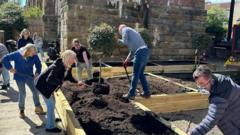
Building these spaces is grueling work. It involves navigating zoning laws, securing water rights, and managing the inevitable conflicts that arise when a diverse group of people shares a small plot of land. It requires a level of grit that isn't often reflected in the soft-focus photos seen in local newspapers.
To create a garden that actually heals, planners must:
- Prioritize Accessibility: Ensure paths are navigable for those with limited mobility. Isolation is most acute among the elderly and disabled.
- Foster Ownership: Give residents a say in what is grown. If the community wants tomatoes instead of ornamental grasses, plant tomatoes.
- Provide Shade and Shelter: If a garden is only usable in perfect weather, it fails its mission for half the year.
The true test of a wellbeing garden comes when the weather is grey and the initial excitement has faded. That is when the real work of community building begins. It is a slow, messy process of tending to both the soil and the people. There are no shortcuts to social cohesion.
Stop looking at the flowers and start looking at the faces of the people holding the trowels.
Don't wait for a government grant to start reclaiming the dead spaces in your own neighborhood.