The lights in an arena are a specific kind of cold before the crowd arrives. They hum with a low-frequency anxiety, illuminating miles of empty plastic seats and the skeletal remains of a stage being built—or, in this case, a stage being dismantled. Somewhere in the bureaucratic heart of France, a pen moved across a paper, and the humming stopped.
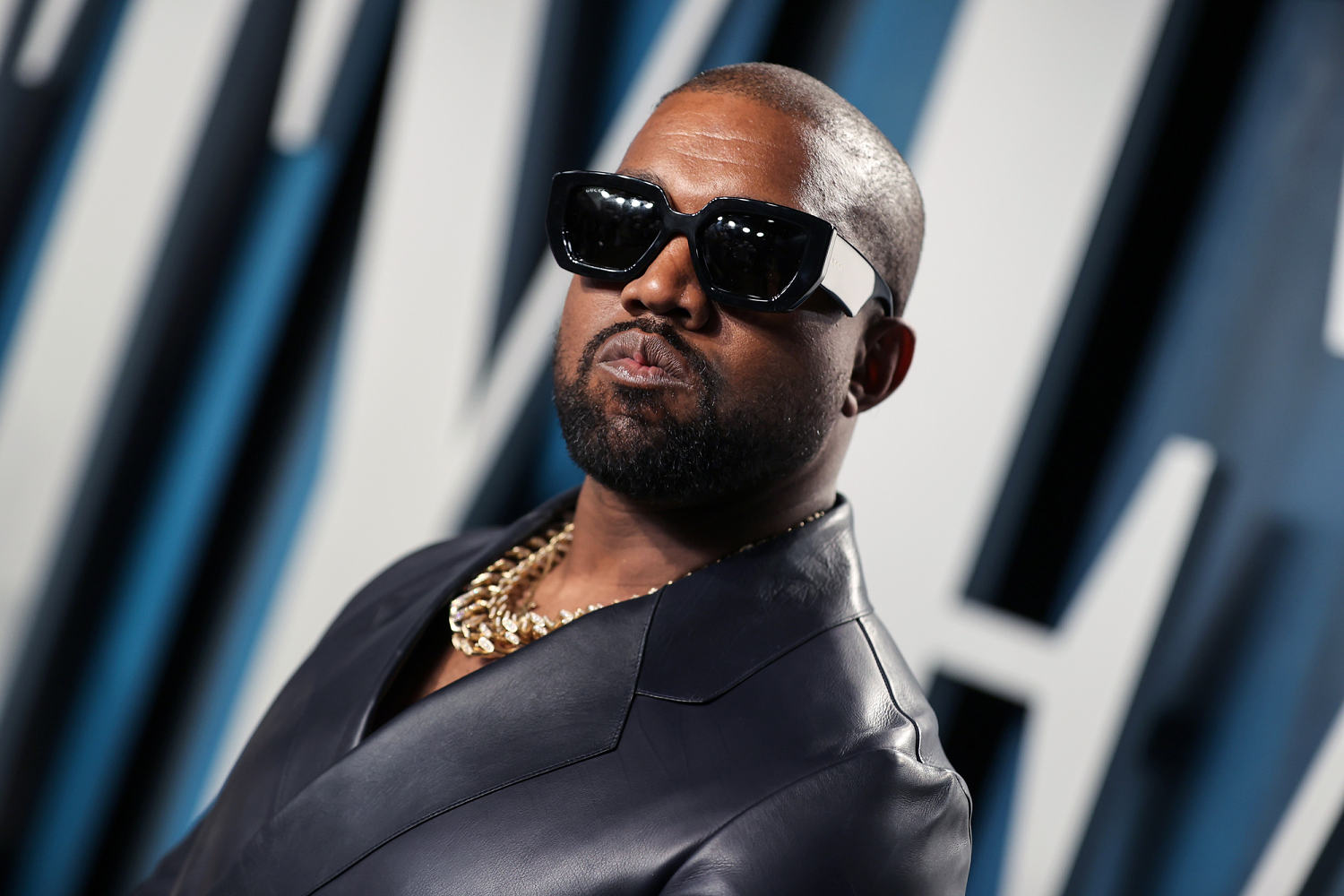
Kanye West, a man who has spent two decades reimagining the architecture of fame, found himself hitting a wall that wasn't made of stone. It was made of sentiment. The announcement that his scheduled performance in France would be "postponed" came wrapped in the usual industry jargon, citing logistical hurdles and scheduling conflicts. But behind the press release lay a much sharper reality: local officials had effectively hung a "Not Welcome" sign on the door.
This isn't just about a concert. It is about the moment an artist’s internal chaos finally outpaces their cultural capital.
The Weight of the Word
Imagine a promoter in Paris. Let’s call him Marc. Marc has spent months looking at spreadsheets, calculating the cost of security, lighting rigs, and insurance premiums. He knows that a Kanye West show isn't just a musical event; it’s a high-stakes gamble. When the news trickled down that regional authorities were expressing "grave concerns" about the artist’s presence, Marc didn’t just lose a headliner. He lost the thread of a narrative that has sustained the music industry for years—the idea that genius grants a universal visa.
France has a long, complicated history with American superstars. They tend to embrace the rebels, the outcasts, and the avant-garde. But there is a line where "provocative" curdles into "radioactive."
The official stance was whispered before it was shouted. Lawmakers and local leaders pointed toward the artist's recent string of antisemitic remarks and erratic public outbursts. In a country that guards its social cohesion with fierce, sometimes litigious intensity, the prospect of hosting a lightning rod for hate speech wasn't just a headache. It was a liability. They didn't have to ban him; they just had to make the environment so inhospitable that "postponement" became the only graceful exit left.
Silence. That was the primary tool. By making it clear that the state would offer no support and that public sentiment was turning, they created a vacuum.
The Invisible Stakes of the Stage
We often think of stadiums as neutral ground, but they are deeply political ecosystems. To put a man on a pedestal in front of 40,000 people is an act of endorsement, whether the organizers admit it or not. When the French officials signaled their disapproval, they were asking a question that the industry has been trying to dodge: At what point does the art stop being enough of a shield?
Consider the mechanics of a world tour. It is a wandering city of hundreds of employees, from truck drivers to sound engineers. Each one of them relies on the stability of the center. When the center—the artist—becomes a persona non grata, the entire city collapses. The "postponement" is a polite way of saying the bridge has been burned from the other side.
The friction here isn't about the music. No one is arguing that the bass isn't heavy or the production isn't revolutionary. The friction is about the human being behind the mask. For years, the public has been willing to separate the creator from the creation, but France’s cold shoulder suggests that the gap between the two has finally closed. You cannot invite the song if the singer brings a storm that the venue isn't built to weather.
A Geography of Exile
There is a specific kind of loneliness in being the most famous person in a room that won't let you in. For West, a man who once declared himself a god, the rejection by a European cultural capital is a profound shift in geography. He is being pushed into a smaller and smaller corner of the map.
This isn't a temporary delay. It’s a map being redrawn in real-time.
When an artist is told they are "not welcome," it triggers a domino effect. Insurance companies see a risk. Sponsors see a fire. Other cities, watching the French reaction, begin to wonder if they should follow suit. The logistics of being a global icon require a level of cooperation from the world that is easily revoked. Without the permits, without the police presence, and without the municipal blessing, a stadium is just a very expensive pile of concrete.
The fans are left in the middle of this tug-of-war. For some, the disappointment is purely aesthetic—they just wanted to hear the hits. For others, there is a mounting sense of exhaustion. How many times can you defend someone who seems intent on making themselves indefensible? The "postponement" gives the audience a chance to breathe, and in that breath, many are realizing they aren't as heartbroken as they thought they would be.
The Echo in the Empty Hall
The reality of the situation is stripped of glamour. It looks like crates being packed back into a warehouse. It looks like a refund notification hitting a phone screen at 3:00 AM. It looks like a legacy being dismantled one canceled date at a time.
France stood its ground not by using force, but by using the power of the invitation. They simply took it back. They reminded the world that while celebrity can buy a lot of things—private jets, mansions, ego—it cannot buy the right to be respected by a community you have spent months alienating.
The stage remains dark. The hum of the lights has faded. In the silence that follows, the message is clearer than any lyric ever blasted through a speaker stack: The music can travel anywhere, but the man has to earn his way across the border.
The gates are closed, and for the first time in a long career, the noise isn't enough to blow them open.
.png?width=1200&auto=webp&trim=0%2C0%2C0%2C0)