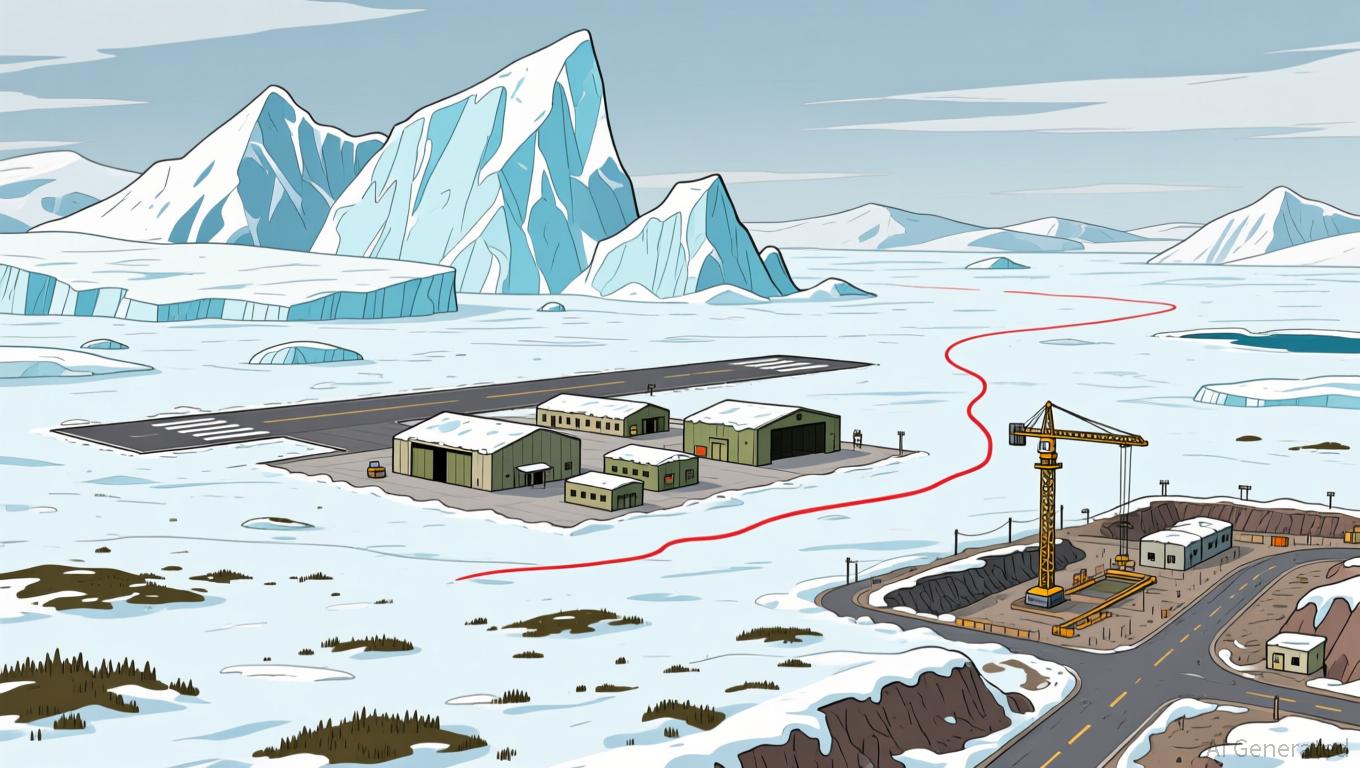
The steel hull of the MV Hondius is designed to crush through the frozen silence of the Arctic and Antarctic. It is a vessel built for the edge of the world, a place where the air is so crisp it feels like drinking diamonds. But for the 23 British passengers currently aboard, the vastness of the Southern Ocean has suddenly shrunk. The horizon hasn't moved, but the world inside the ship has changed. It is no longer just a luxury expedition; it is a pressurized canister of uncertainty.
Hantavirus.
The word sounds like a whisper in a drafty hallway. It isn't a headline most travelers pack in their bags next to their thermal base layers and Nikon lenses. We think of cruise risks in terms of Norovirus—the dreaded "stomach bug" that sweeps through buffets—or perhaps the rogue waves of a Drake Passage crossing. Hantavirus is different. It is visceral. It is rare. And for those on the Hondius, it is currently the only thing that matters.
The Dust of the Unseen
Imagine a traveler we’ll call Sarah. She isn't real, but she represents every one of the 23 Brits who saved for years to see the blue ice of the Antarctic Peninsula. Sarah is sitting in her cabin, looking out at a tabular iceberg that glows with an inner, ancient light. She is thinking about a mouse.
[Image of Hantavirus structure]
Hantavirus pulmonary syndrome (HPS) doesn't travel through a cough in a crowded theater or a handshake at the Captain’s dinner. It is a hitchhiker. It begins in the wild, carried by rodents—specifically their saliva, urine, and droppings. When these materials dry out and are stirred into the air, they become an invisible mist. You breathe it in, and the clock starts ticking.
The virus doesn't want the human. We are a biological dead end for it. But inside the lungs, it behaves like a frantic invader, causing the tiny blood vessels to leak fluid. The lungs fill from the within. It is a quiet, internal drowning.
The travel company, Oceanwide Expeditions, had to break this reality to the passengers. They confirmed the presence of the virus after a crew member fell ill. Suddenly, the "trip of a lifetime" shifted from an outward exploration to an inward vigil. Every sneeze becomes a question. Every mild headache feels like an omen.
A Fortress of Isolation
The MV Hondius is technically an "ice-strengthened" vessel, but no amount of steel can wall off the psychological weight of a viral outbreak at sea. When you are thousands of miles from a Level 1 trauma center, the ship’s infirmary becomes the most important room on the planet.
There is a specific kind of loneliness that happens on a ship. You are surrounded by people, yet you are an island. For the British contingent on board, the news of the 23 confirmed cases (meaning those exposed or under observation) creates a strange, unspoken brotherhood. They are linked by a passport and a predicament.
The logistics of an outbreak in the polar regions are a nightmare of geometry and geography. You cannot simply pull over. The Hondius is a masterpiece of engineering, but it is also a closed ecosystem. To manage a hantavirus threat, the crew must become forensic cleaners. They must scrub the ghost of the virus from every vent, every carpet fiber, and every storage locker where a rogue rodent might have once nested before the ship ever left port.
But how did it get there? That is the question that haunts the lower decks. Ships are magnets for life. They sit in ports where rodents are a fact of existence. A single stowaway in a crate of dry goods is all it takes. One mouse, one dusty corner, one unlucky breath.
The Incubation of Fear
The cruelty of hantavirus lies in its patience. The incubation period can stretch from one week to eight weeks. This means the 23 British travelers aren't just facing a crisis today; they are carrying a potential crisis home in their DNA.
Consider the transition from the pristine silence of the Antarctic back to the roar of Heathrow. They will walk through the arrivals gate, hug their families, and then, in the quiet of their own bedrooms, they will wonder if that slight shortness of breath is just the London smog or something more sinister.
We often talk about "travel insurance" in terms of lost luggage or canceled flights. We rarely discuss the insurance of the mind. The travel company has been transparent, which is the only currency that matters in a crisis. They confirmed the numbers. They alerted the authorities. But they cannot stop the "what if" that echoes in the cabins.
The Invisible Stakes
Why does this matter to those of us sitting at home, miles away from the salt spray? It matters because the Hondius is a microcosm of our modern world. We go to the most remote places on Earth to escape "civilization," yet we bring our biological baggage with us.
Hantavirus has a mortality rate that can climb to 38%. That is not a statistic; that is a lottery no one signed up for. When the British government and the travel agency monitor these 23 individuals, they aren't just looking for symptoms. They are trying to prevent a bridge. They are ensuring that a pathogen from a localized environment doesn't find a new foothold.
The risk to the general public remains extremely low. Hantavirus is not known to spread from person to person. If Sarah breathes on her husband, he is safe. The virus dies with the host's exposure. Yet, the stigma remains. The fear of the "plague ship" is an ancient, maritime trauma that lives in our collective marrow.
The Weight of the Return
The voyage will end. The Hondius will eventually dock, and the gangplank will be lowered. The 23 Brits will step off, squinting into the sun, perhaps clutching duty-free bags and memory cards full of penguin photos.
They will look like any other tourists. But they will be different. They have seen the edge of the world, and they have felt the brush of something much smaller and much more dangerous than a leopard seal or a crashing glacier.
They are living reminders that even in the most beautiful, frozen desolation, we are never truly alone. We share the planet with a trillion tiny architects of life and death. The blue horizon of the Antarctic is a mask. Behind it, the machinery of nature continues to grind, indifferent to our itineraries, our cabins, or our dreams of adventure.
The ship moves on. The ice remains. And 23 people are waiting for the simple, profound relief of a breath that comes easy.