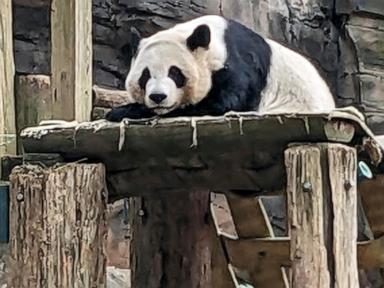
The empty panda habitat at Zoo Atlanta won't stay quiet for long. After months of speculation following the departure of the previous residents, we finally have official word. China is sending a new pair of giant pandas to Georgia. This isn't just about cute animals or tourism spikes. It's a massive win for conservation and a sign that "Panda Diplomacy" is far from dead, even when global politics feel like a total mess.
The news broke recently that the China Wildlife Conservation Association signed an agreement with Zoo Atlanta. If you've been following the saga of US-based pandas, you know things looked grim last year. Zoos in Memphis and Washington D.C. sent their bears back, and for a minute, it felt like the era of seeing these "national treasures" on American soil was ending. Atlanta's current lease was up, and people were worried. But the script has flipped.
The New Residents Are On Their Way
We aren't just getting any random bears. The new pair, Ya Lun and Xi Lun, are actually coming back to a familiar lineage, or rather, the program is continuing with a fresh start. These agreements are incredibly complex. They involve millions of dollars in conservation fees and strict requirements for care. You don't just "buy" a panda. You rent the privilege of hosting them, and that money goes directly into protecting the roughly 1,900 pandas left in the wild.
Honestly, the logistics are a nightmare. Shipping a giant panda across the world involves specialized planes, crates of bamboo, and a team of vets who probably haven't slept in a week. Zoo Atlanta has proven they can handle it. They’ve successfully raised multiple cubs over the years. They know the drill.
Why Everyone Was Panicking About Panda Diplomacy
For decades, these bears served as a soft-power tool for Beijing. If China liked you, you got pandas. If tensions rose, the pandas went home. When the Smithsonian’s National Zoo saw its pandas depart in 2023 without an immediate replacement, experts called it the "end of an era." It felt like a cold front was settling in.
But then came the San Diego announcement, and now Atlanta. It seems both sides realized that these animals are one of the few things humans can actually agree on. They're a bridge. When you see a panda tumbling over a log, you aren't thinking about trade tariffs or semiconductor chips. You’re thinking about how a 200-pound animal can be that clumsy and still survive in the woods.
The Real Cost of Hosting a Panda
Don't let the fluff fool you. Hosting these animals is a heavy financial lift for any institution.
- The Loan Fee: Most US zoos pay around $1 million per year to China.
- Bamboo Budgets: These bears eat up to 84 pounds of bamboo a day. Most zoos have to source this locally or grow their own.
- Habitat Maintenance: The enclosures need constant climate control. Pandas hate the heat. Atlanta summers are brutal, so the indoor facilities have to be top-tier.
Some people argue this money should go toward local species. It’s a fair point. Why spend millions on a bear from another continent when local ecosystems are struggling? The counter-argument is simple. Pandas bring people through the gates. That revenue funds the rest of the zoo’s conservation work. They’re "umbrella species." Protect the panda, and you protect the forest and everything else living in it.
What This Means for Your Next Trip to Georgia
If you're planning a visit, don't pack your bags just yet. The bears need time to settle. Quarantines are standard. They have to get used to the new smells, the new keepers, and the specific variety of Georgia-grown bamboo.
Expect the zoo to be packed. When the last set of twins was born in Atlanta, the "Panda Cam" traffic crashed servers. This new arrival will likely trigger a similar frenzy. It’s great for the local economy. Hotels, restaurants, and transport services all see a lift when a major attraction like this returns.
What the Critics Get Wrong
You'll hear people say that pandas belong in the wild. In a perfect world, they're right. But the reality is that the captive breeding program is the only reason these animals aren't extinct. The knowledge gained in places like Atlanta—studying their reproductive cycles, their nutritional needs, and their social behavior—is what saved the species from the brink. They were moved from "Endangered" to "Vulnerable" on the IUCN Red List a few years ago. That doesn't happen without international cooperation.
How to Support the Program Without Just Buying a Plushie
If you actually care about the science and not just the photo op, look into the Zoo’s research papers. Atlanta has been a leader in studying panda cognition. They don't just sit there and look pretty. They participate in puzzles and learning exercises that help scientists understand how their brains work.
- Check the Zoo Atlanta website for official arrival dates. Don't trust third-party travel blogs that guess.
- Donate directly to the Giant Panda Conservation Fund. This ensures your money bypasses the gift shop and goes to the field.
- Visit during the week. Seriously. The crowds on Saturdays will make you regret your life choices.
The return of the pandas to Atlanta is a win for anyone who believes that conservation should transcend borders. It’s a sign that even in a tense world, we can still cooperate to keep a species from vanishing. It’s a big deal. Enjoy the bears, but remember the work it took to get them here.