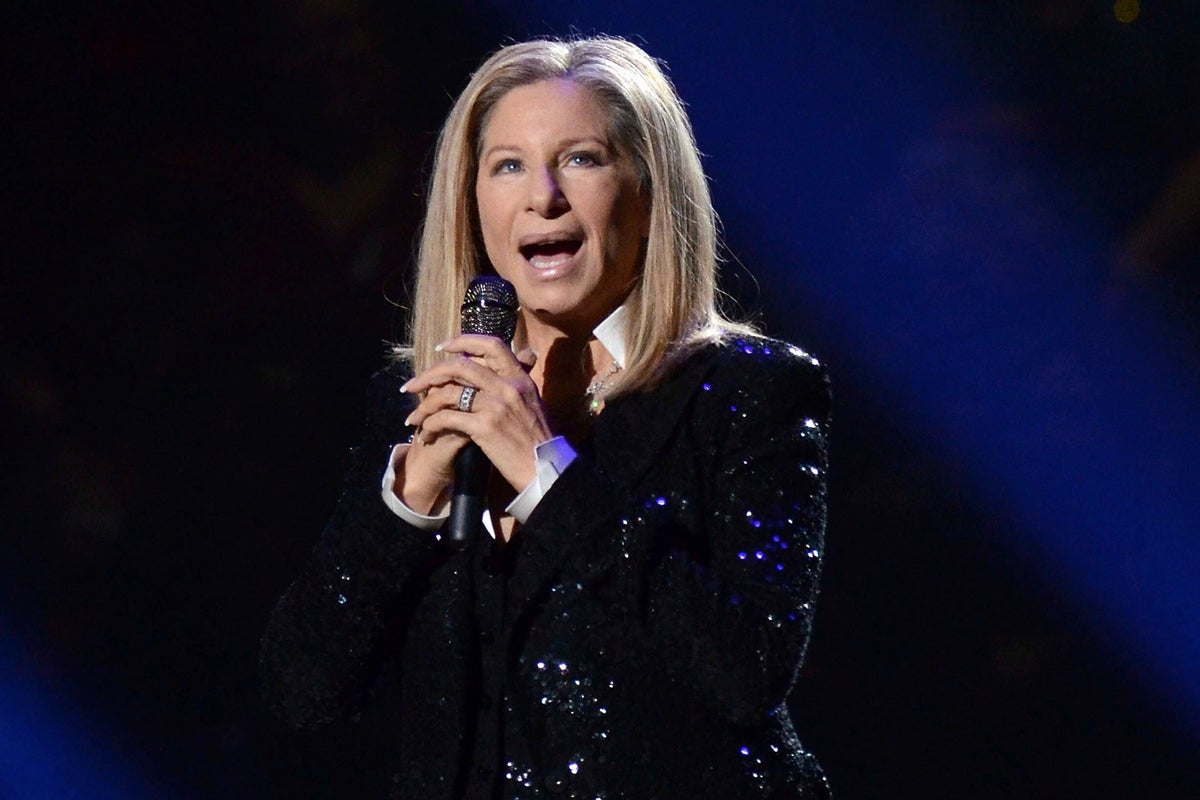
The cancellation of an elite cultural appearance is never merely a medical event; it is an optimization problem balancing physical risk against institutional asset valuation. When an individual achieves EGOT status—securing Academy, Emmy, Grammy, and Tony awards—their physical presence at international events transitions from a promotional tool into a highly scarce commodity. The announcement that Barbra Streisand will absent herself from the 79th Festival de Cannes closing ceremony on May 23, 2026, where she was scheduled to receive an honorary Palme d'Or, provides a precise case study in how late-stage career assets calculate risk, manage international logistics, and deploy decentralized branding strategies when physical volatility interferes with institutional schedules.
Standard cultural reporting treats these events through the lens of sentimentality, focusing on personal disappointment. A rigorous operational analysis reveals a complex multi-variable calculus governed by three distinct structural pressures: the economics of physical orthopedic recovery at advanced chronological age, the architectural constraints of live event production, and the preservation of brand equity through controlled scarcity.
The Orthopedic Cost Function of Long-Haul Travel
For an 84-year-old asset recovering from an acute joint injury, the choice to execute a transatlantic itinerary is governed by a steep physiological cost function. The journey from Los Angeles to the Côte d'Azur introduces variables that directly conflict with orthopedic stabilization.
- Hydrostatic and Circulatory Pressures: Pressurized cabins during long-haul flights accelerate peripheral edema and compromise joint microcirculation. For a joint undergoing active tissue repair, localized fluid retention increases intracapsular pressure, exacerbating pain and mechanical instability.
- Kinematic Volatility: Intercontinental transit introduces unpredictable mechanical stressors—ranging from terminal tarmac navigation to high-velocity vehicle transfers. These external forces introduce shear stress to a compromised knee joint, threatening to reverse structural healing.
- The Opportunity Cost of Disrupted Rehabilitation: Effective orthopedic recovery requires a rigid, highly calibrated environment consisting of daily localized cryotherapy, targeted manual mobilization, and strict weight-bearing restrictions. The disruption of this regimen for a multi-day international appearance introduces a high probability of permanent functional deficits.
When doctors advise against travel, they are calculating that the marginal utility of a live trophy acceptance is significantly outweighed by the compounded risk of long-term mobility degradation. The operational choice is clear: conserve physical capital to ensure long-term stability rather than risk structural failure for a short-term reputational asset harvest.
Institutional Asymmetry in High-Stakes Event Production
The 79th Cannes Film Festival operates as an elite marketplace where the physical attendance of legacy icons drives broadcast valuations, sponsorship tiers, and institutional prestige. The simultaneous awarding of honorary Palmes d'Or in 2026 to Peter Jackson, John Travolta, and Barbra Streisand highlights a deliberate programmatic strategy: anchoring the festival’s global media footprint across three distinct, highly leveraged demographic pillars of cinematic history.
When a headlining asset withdraws, it reveals a structural vulnerability in live event production. The festival cannot easily substitute an equivalent tier of cultural authority on short notice. However, the operational relationship between the festival and the talent is fundamentally asymmetric. The festival faces immediate programmatic disruption; the talent, conversely, retains full possession of their career equity regardless of physical attendance.
The mechanism used to resolve this friction is the decoupled tribute. By proceeding with the honors on May 23 in absentia, both entities execute a value-preservation strategy:
$$\text{Total Institutional Value} = \text{Symbolic Validation} + \text{Physical Attendance}$$
By separating the symbolic validation from physical attendance, the festival retains its narrative of historical curation, while the talent secures the institutional asset—the honorary Palme d'Or—without absorbing the physical travel costs. The production adjusts by replacing a live stage walk with pre-recorded media or surrogate acceptances, minimizing the drop in broadcast density.
The Preservation of Scarcity and Legacy Control
Elite career management requires a shift from maximizing public visibility to managing extreme scarcity. For an icon whose career spans six decades, public appearances carry immense reputational weight. A live appearance characterized by compromised mobility or visible physical vulnerability modifies the public perception of a legacy brand.
The decision to issue a structured, direct-to-festival statement rather than engaging in rolling media updates serves a dual purpose. First, it establishes complete narrative control, preempting speculative tabloid analysis regarding long-term health. Second, it maintains the pristine nature of the asset’s public record.
By expressing deference to the "art of cinema" and offering explicit congratulations to global filmmakers, the statement shifts focus away from physical limitation and realigns the narrative with cultural stewardship. The brand remains elevated, authoritative, and uncompromised by the realities of physical recovery.
Strategic Recommendation for Cultural Asset Management
Firms and management teams overseeing legacy talent must treat physical health not as a variable to be managed privately behind the scenes, but as a hard operational constraint within contract design. For global ceremonies operating in high-prestige environments, future appearances must incorporate built-in decentralized options from the initial negotiation phase.
- Contractual Hybridization: All future agreements for legacy talent should feature parallel tracks detailing both physical and digital delivery systems for performance or acceptance. This removes the logistical chaos of emergency cancellations by treating the virtual or recorded alternative as an optimized, pre-produced asset rather than a panicked fallback.
- Decentralized Media Capture: Legacy figures should maintain a rolling archive of high-fidelity, standardized acceptance imagery and baseline statements within secure digital vaults. If an orthopedic or medical constraint prevents travel, a customized, high-production-value digital presence can be deployed within a six-hour window, ensuring maximum media impact for the host institution while preserving the physical integrity of the talent.
- Risk Transfer Protocols: Ensure that all international cultural engagements feature comprehensive clauses transferring the financial liability of non-attendance due to verified medical advice entirely to the host organization’s insurance structures, shielding the talent's primary business entity from contractual penalties.
The optimization of legacy brands requires acknowledging that the physical body remains the ultimate rate-limiting factor in business operations. When volatility hits the physical asset, the corporate infrastructure must step in to decouple the physical person from the intellectual and cultural property they represent.