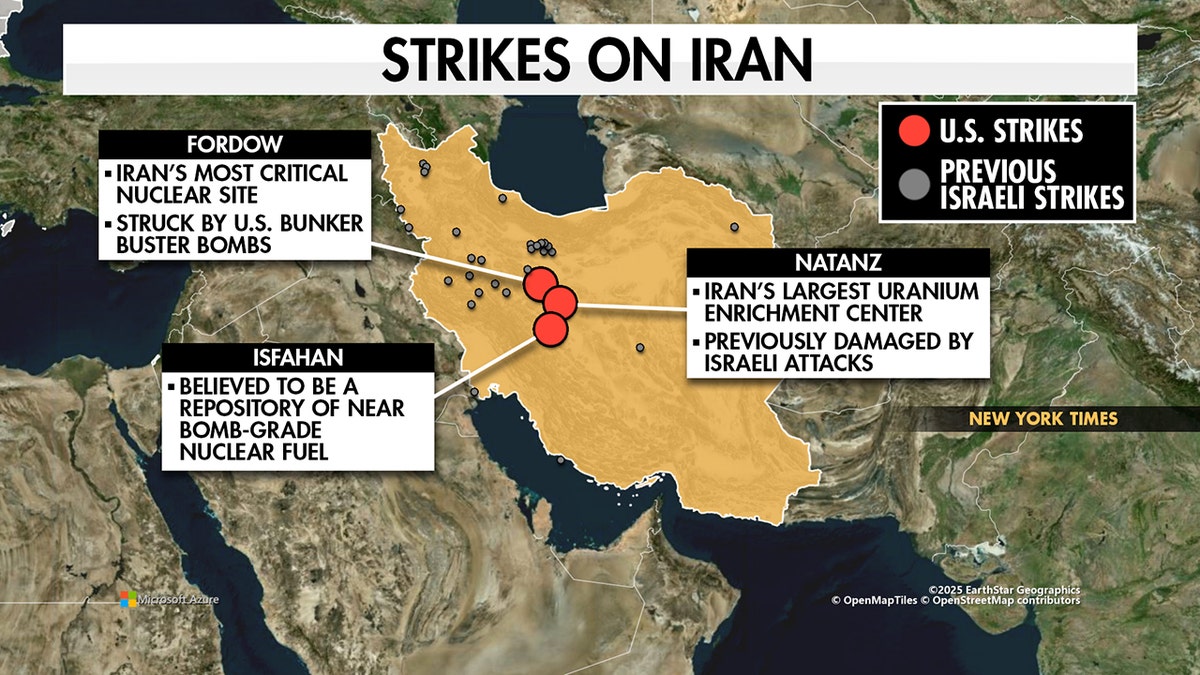
The shift from human-centric command to AI-augmented kinetic operations in the Iranian theater represents a fundamental transition from linear to exponential warfare. While traditional analysis focuses on the hardware—drones, missiles, and interceptors—the true strategic shift lies in the OODA Loop compression (Observe, Orient, Decide, Act). In modern regional escalations, the bottleneck is no longer the speed of the munition, but the latency of the decision-making cycle. By offloading target acquisition and sensor fusion to algorithmic processors, military actors are moving toward a state of "Hyperwar," where the interval between detection and destruction approaches zero.
The Triad of Algorithmic Combat Operations
To understand how AI is reconfiguring the conflict involving Iran and its regional proxies, one must categorize the technology into three distinct functional pillars. These are not disparate tools but integrated layers of a single kill-chain architecture.
Sensor Fusion and Pattern Recognition
Modern battlefields in the Middle East are saturated with data from synthetic aperture radar (SAR), signals intelligence (SIGINT), and high-resolution overhead imagery. Human analysts cannot process the petabytes of telemetry generated per hour. AI-driven computer vision identifies anomalies—such as the thermal signature of a mobile Transporter Erector Launcher (TEL) hidden in civilian infrastructure—faster than a human operator could scan a single frame.Predictive Behavioral Modeling
Instead of reacting to movements, AI models use historical logistical data to predict where an asset will be. By analyzing the frequency of supply convoys or the specific electronic signatures of radar activations, these systems generate high-probability locations for preemptive strikes.Autonomous Swarm Coordination
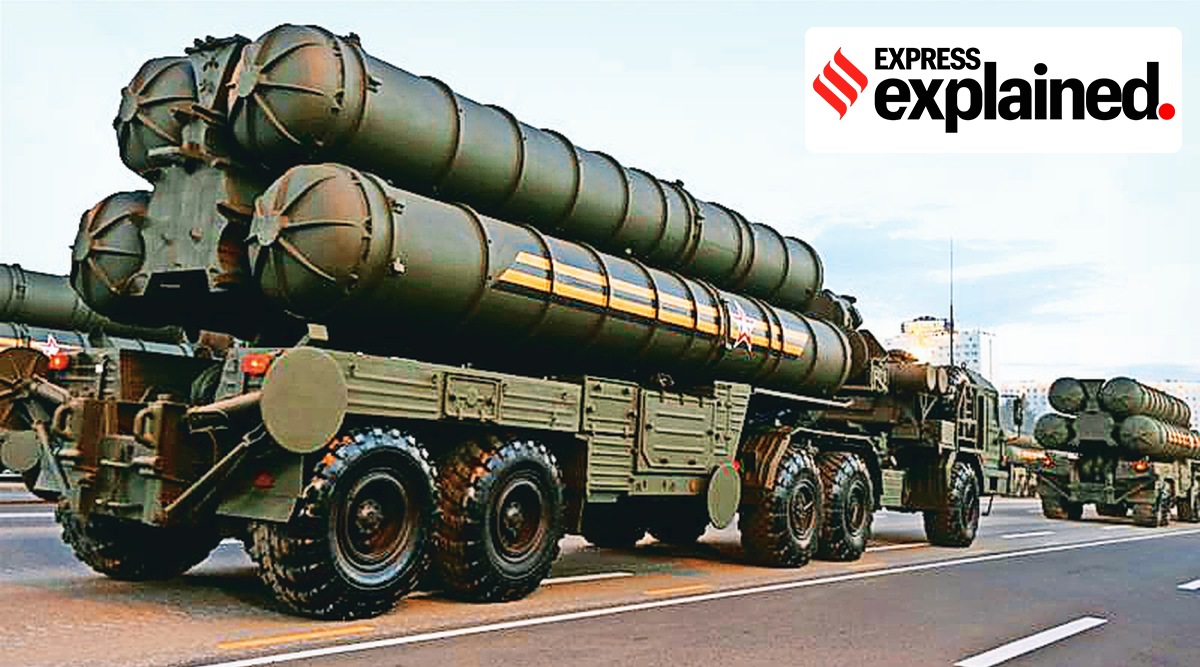
Iran’s deployment of the Shahed-series loitering munitions highlights a shift toward mass over sophistication. AI enables these low-cost assets to communicate, allowing a "swarm" to saturate air defenses through coordinated vectoring. This forces an economic asymmetry: the defender must expend a $2 million interceptor to neutralize a $20,000 drone.
The Cost Function of Modern Deterrence
Deterrence in the Iranian context has historically relied on the threat of "unacceptable damage." AI alters the math of this equation by shifting the focus from Retaliation to Interdiction.
The cost of defense is currently unsustainable. When Iran or its affiliates launch a mixed-salvo attack (ballistic missiles, cruise missiles, and drones), the defender’s cognitive load is maximized. AI systems, such as those integrated into the "Fire Weaver" or "Gospel" architectures, automate the prioritization of targets. They calculate the optimal weapon-to-target assignment based on:
- Probability of Kill ($P_k$)
- Time of Flight ($T_{flight}$)
- Residual Value of Interceptors
This creates a dynamic defense equilibrium. By automating the prioritization of threats, a defender can maintain a sustainable cost-per-kill ratio, even against massed Iranian drone swarms.
The Problem of Latency and the Human-in-the-Loop Constraint
A critical bottleneck in AI-augmented warfare is the "Human-in-the-Loop" (HITL) requirement. International humanitarian law and current military doctrine demand a human verify lethal strikes. However, as the tempo of the Iranian theater increases, the HITL requirement becomes a strategic liability.
The second limitation is the Data Integrity Barrier. AI models are only as effective as the data they consume. If an adversary, such as the IRGC (Islamic Revolutionary Guard Corps), employs sophisticated electronic warfare (EW) to spoof GPS or spoof thermal signatures, the AI’s predictive modeling degrades. This creates a "Catastrophic Failure Point" where the system makes a high-confidence error—targeting a non-combatant or an irrelevant object—due to adversarial data poisoning.
Structural Logic of Iranian Asymmetric AI
While the West and its allies focus on high-fidelity AI for precision, Iran is optimizing for Distributed AI. This approach does not require massive server farms or centralized cloud computing. Instead, it embeds basic algorithmic logic directly into the guidance systems of loitering munitions.
The Iranian strategic doctrine follows a Volume-over-Precision logic. By utilizing low-cost chips and open-source machine learning (ML) libraries, Iran has successfully democratized "smart" munitions. This creates a structural shift in regional power dynamics. A non-state actor or a proxy group can now achieve the same tactical outcomes as a mid-tier air force.
The third functional layer of Iranian AI is Information Operations (IO). Large Language Models (LLMs) and deep-fake technology are utilized to manipulate the "narrative battlefield." By automating the creation and distribution of propaganda across social media, Iranian-aligned actors can influence international public opinion during a kinetic escalation, potentially deterring a full-scale response from Western powers.
The Algorithmic Escalation Ladder
Conflict in the Iranian theater follows a predictable escalation ladder, but AI is compressing the rungs. Traditionally, an escalation from a proxy strike to a direct confrontation would take days or weeks. AI-driven systems, by accelerating the OODA loop, can move from "Grey Zone" activity to full-scale kinetic engagement in hours.
The primary risk is Accidental Escalation. If two AI systems are interacting—one defending and one attacking—they may reach a conclusion that a human commander would not. For example, an automated defensive system might interpret a minor probe as the start of a massive saturation attack and launch a preemptive strike on an Iranian command-and-control center. This creates a feedback loop where the machines escalate faster than the humans can de-escalate.
Strategic Action and Tactical Realignment
To maintain a competitive advantage in the Iranian theater, a fundamental shift in procurement and deployment is required. The current reliance on centralized, expensive platforms is a strategic vulnerability.
The priority must be the development of Edge-Processing Defense Networks. Instead of sending data back to a central command hub, sensors on the front line—radars, drones, and satellites—must process information locally using AI chips. This reduces latency and makes the system resilient to Iranian jamming and electronic warfare.
The second strategic play is Algorithmic Red-Teaming. Defensive AI must be constantly tested against "adversarial examples"—data specifically designed to confuse or mislead it. By simulating the IRGC’s likely electronic warfare tactics, military planners can identify the failure modes of their own AI systems before they are deployed in a live-fire environment.
The final requirement is the Standardization of Autonomous Rules of Engagement (ROE). As the speed of conflict outpaces human cognition, the international community and individual militaries must define the specific parameters under which an AI can operate autonomously. Failure to do so will result in a "Strategic Drift," where the technology dictates the policy, rather than the policy guiding the technology.
The Iranian theater is no longer a test bed for AI—it is the primary operating environment. The actors who successfully integrate algorithmic speed with human strategic oversight will define the new regional order. Those who fail to adapt will find themselves obsolete before they even realize a conflict has begun.