Algeria finds itself in a precarious geopolitical squeeze as the crisis in the Strait of Hormuz and the wider Red Sea corridor continues to rewrite the rules of Mediterranean trade. While the initial logic suggested that a spike in global energy prices would provide a windfall for Sonatrach, the state-owned oil and gas giant, the reality is far more clinical and dangerous. The North African power is currently balancing a surge in hydrocarbon revenue against a domestic economy that is suffocating under the weight of imported inflation.
The immediate math is simple. When global supply chains break or transit points like the Bab el-Mandeb and Hormuz are threatened, Brent crude prices climb. For a country that relies on oil and gas for over 90% of its export earnings, this should be a moment of absolute financial dominance. However, the gains are being cannibalized. The same instability that pads the national treasury is simultaneously jacking up the cost of grain, machinery, and consumer goods that Algeria desperately needs to keep its 45 million citizens fed and quiet.
The Mirage of the Energy Windfall
On paper, the Algerian balance sheet looks formidable. The government has managed to rebuild its foreign exchange reserves to levels not seen in half a decade. But this wealth is essentially a frozen asset if the cost of basic logistics remains at record highs. Most analysts focus on the price of the barrel, yet they ignore the cost of the boat.
Shipping insurance premiums for vessels entering the Mediterranean or transiting near the Suez Canal have spiked. Even though Algeria sits on the "safe" side of the basin, it is not immune to the systemic risk pricing that now dominates global maritime trade. Freight rates for dry bulk carriers—the ships that bring in the wheat that Algeria depends on—have shifted the profit margins of energy sales into the pockets of logistics conglomerates.
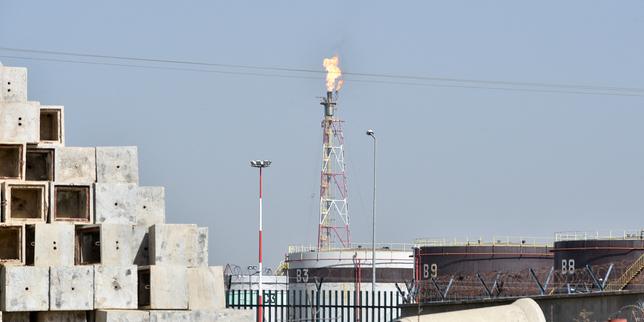
There is also the matter of infrastructure rigidity. Algeria has long positioned itself as the reliable alternative to Russian gas for Europe. The Trans-Med and Medgaz pipelines are running at high capacity. But pipelines have a ceiling. To truly capitalize on a global energy crunch, a nation needs flexible Liquefied Natural Gas (LNG) capabilities. While Algeria is a pioneer in LNG, its aging liquefaction plants require massive reinvestment. The "extra" money from the Hormuz crisis isn't going toward sovereign wealth; it is being diverted into emergency subsidies to prevent bread riots.
The Wheat Trap and Imported Inflation
Algeria is one of the world’s largest importers of wheat. This is the structural flaw in its armor. When tension in the Middle East escalates, it doesn't just affect oil; it triggers a defensive posture in global agricultural markets.
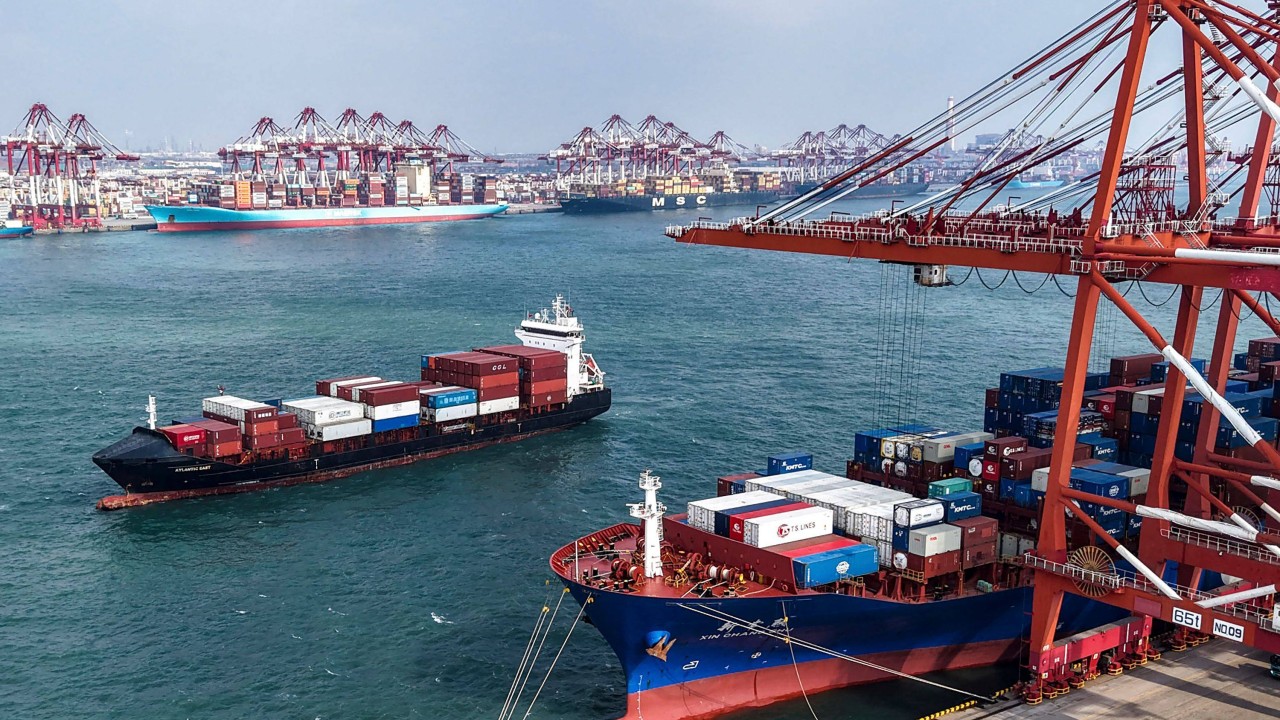
Supply chains are being rerouted. Ships that once took the short path through the Suez are now circumnavigating Africa. This adds weeks to delivery times and thousands of dollars to the final price tag of every ton of grain arriving at the Port of Algiers. The Algerian government spends billions annually on the Office Algérien Interprofessionnel des Céréales (OAIC) to keep the price of semolina and bread fixed.
When the cost of importing that wheat doubles because of maritime insecurity, the state has two choices. It can pass those costs onto the consumer, which is political suicide, or it can swallow the cost, effectively liquidating its oil profits to maintain social stability. Currently, the "profits" from the Strait of Hormuz crisis are doing nothing more than subsidizing the survival of the status quo. It is a zero-sum game played with high-stakes commodities.
European Dependency and the Pivot to Italy
The strategic pivot of 2024 and 2025 has been the deepening of the Algiers-Rome axis. Italy has become the primary gateway for Algerian energy into the European Union. This relationship was born out of necessity following the invasion of Ukraine, but the Hormuz crisis has cemented it.
Europe is terrified of a total closure of the Strait of Hormuz, which would choke off Qatari LNG. If that happens, Algeria becomes the continent’s most vital gas station. This gives Algiers significant diplomatic leverage, but it also places a target on its back. The pressure to increase production is immense, yet the technical reality of Algerian fields suggests that the "easy" gas has already been extracted.
New discoveries in the Berkine Basin and near Hassi Messaoud are promising, but they require Western technology and capital. Foreign investors are notoriously skittish when regional tensions are high. They see the map as a single interconnected theater of risk. To an investor in Houston or London, a flare-up in the Persian Gulf makes the entire MENA (Middle East and North Africa) region look volatile, regardless of the thousands of miles separating Algiers from Tehran.
The Hidden Cost of Defense Spending
National security is the silent drain on the Algerian treasury. As regional instability grows, the military budget expands. Algeria already maintains one of the most powerful and expensive militaries in Africa. The chaos in the Middle East, combined with the simmering tension on its own borders with Mali and Libya, has forced a massive increase in procurement.
Money that could be used to diversify the economy into tech or manufacturing is instead being spent on sophisticated radar systems and border patrols. The logic is defensive, but the economic impact is extractive. For every extra dollar earned from a price spike in oil, a significant percentage is immediately earmarked for the Ministry of National Defense. This is the paradox of the "energy boom"—the more dangerous the world becomes, the more expensive it is for Algeria to simply exist.
Structural Inertia vs Global Volatility
The fundamental problem remains a lack of economic diversification. The Algerian leadership has talked about "moving beyond oil" for decades. Yet, every time a crisis like the one in Hormuz drives prices up, the urgency to reform vanishes. The easy money acts as a narcotic.
Instead of building a manufacturing base that could export to the Sahel or Europe, the state continues to rely on the extraction of raw materials. This leaves the country's fate entirely in the hands of global events it cannot control. If the Strait of Hormuz were to be blocked tomorrow, the global economy would tank. Oil would hit $150 a barrel. Algeria would be "rich" on paper, but it would find itself in a world where it could no longer afford to import the parts needed to keep its oil wells pumping or the food needed to feed its people.
The vulnerability is not just about the Red Sea. It is about the failure to build an economy that can withstand the shockwaves of a fractured world. The current crisis has exposed the fact that high oil prices are no longer a guaranteed win. They are a double-edged sword that cuts deepest into nations that have failed to produce anything other than carbon.
The Logistics of Desperation
Maritime logistics are the new frontline. While the world watches the movements of aircraft carriers, the real damage is being done to the schedules of container ships. Algeria’s ports are not yet the high-efficiency hubs seen in Tangier or Dubai. This inefficiency adds a "bureaucracy tax" on top of the already inflated shipping costs.
Importers in Algiers and Oran are reporting delays of weeks for essential components. Small and medium enterprises (SMEs) are the first to die in this environment. They don't have the cash reserves to weather a three-month delay on a shipment of machine parts. As these businesses fail, the economy becomes even more lopsided, leaning entirely on the state and Sonatrach.
This creates a dangerous feedback loop. The state becomes the sole employer and the sole provider, while the private sector—the only real engine for long-term growth—is starved of the predictability it needs to function. The Hormuz crisis isn't just a geopolitical event; it is a slow-motion wrecking ball for the Algerian middle class.
The Strategy of Forced Neutrality
Algeria has attempted to maintain a strict policy of non-interference. It avoids joining maritime coalitions and keeps its rhetoric focused on international law. This neutrality is intended to protect its shipping and its diplomatic standing. However, in a polarized world, neutrality is becoming an expensive luxury.
Major powers are beginning to demand more than just silence. They want cooperation in securing energy corridors. Algeria’s refusal to take sides in the broader Middle Eastern power struggle is admirable from a sovereignty perspective, but it leaves the country without a powerful protector in the event of a total maritime blockade. It is a lonely path to walk when the global supply chain is on fire.
The focus must shift from the price of oil to the resilience of the local economy. The government needs to use the current surplus to aggressively overhaul the logistics sector and reduce the dependency on food imports. If they don't, the next spike in regional tension won't just be an "impact" to be analyzed—it will be a terminal shock to the system.
Stop looking at the price of Brent crude as a barometer for Algerian success. Look instead at the price of a loaf of bread in a bakery in Constantine. That is where the real war is being won or lost. Would you like me to analyze the specific impact of these maritime delays on the 2026 Algerian agricultural harvest?