The recent elimination of thirteen militants in the rugged terrain of Khyber Pakhtunkhwa is not a isolated victory for the Pakistani military. It is a desperate symptom of a deteriorating border. Security forces engaged these insurgents in the restive district of North Waziristan, a region that has long served as a pressure cooker for regional instability. Intelligence-driven operations resulted in a heavy exchange of fire that left over a dozen fighters dead, but the frequency of these encounters suggests that the militant infrastructure is regenerating faster than the state can dismantle it.
While the tactical success removes immediate threats from the field, it highlights a grim reality on the ground. The border between Pakistan and Afghanistan has become a porous sieve for extremist groups that have found renewed confidence since the shift in power in Kabul. This latest clash is merely one chapter in a much larger, bloodier narrative of a region slipping back into the hands of non-state actors.
The Mirage of Border Control
The fencing of the 2,600-kilometer Durand Line was supposed to be the definitive answer to cross-border incursions. Pakistan invested immense financial and human capital into this physical barrier, yet the recent surge in violence proves that wire and steel are no match for ideological resolve and local complicity. Militants continue to exploit the "nullahs" and hidden mountain passes that no fence can fully bridge.
The thirteen militants killed in the latest operation belonged to factions that have refined their guerrilla tactics over decades. They do not fight for territory in the traditional sense. They fight to exhaust the state's resources and to demoralize the local population. When the military enters these valleys, the insurgents melt into the civilian fabric or retreat across the border. When the military leaves, they return. This cyclical nature of the conflict means that body counts are a poor metric for actual progress.
The TTP Factor and Kabul's Shadow
Central to this instability is the Tehrik-i-Taliban Pakistan (TTP). Despite repeated assurances from the interim Afghan government that their soil will not be used for attacks against neighbors, the evidence on the ground in Khyber Pakhtunkhwa suggests otherwise. The tactical sophistication of recent attacks indicates a level of sanctuary and logistical support that is impossible to maintain without some form of external breathing room.
The relationship between the various militant branches is fluid. They share resources, intelligence, and often the same recruits. By eliminating thirteen fighters, the Pakistani military has disrupted a specific cell, likely preventing a coordinated strike on a nearby town or military checkpost. However, the recruitment pools in the tribal districts remain deep, fueled by economic despair and a feeling of abandonment by the federal government in Islamabad.
Economic Erosion as a Recruitment Tool
You cannot separate the security crisis from the economic collapse of the former Federally Administered Tribal Areas (FATA). When the region was merged with Khyber Pakhtunkhwa, the promise was one of development, schools, and jobs. Those promises have largely gone unfulfilled. In the vacuum of state-led opportunity, the shadow economy of militancy thrives.
A young man in North Waziristan faces a bleak choice. He can struggle in a collapsed agricultural sector or join a militant group that offers a paycheck and a sense of purpose. Until the state addresses the hunger in these valleys, the military will continue to find itself playing a violent game of whack-a-mole. Killing thirteen terrorists is a necessary short-term measure, but it does nothing to stop the fourteenth from picking up a rifle tomorrow.
The Intelligence Gap
Successful operations like the one recently reported rely heavily on "human intelligence." This means someone on the inside or a local villager took a massive risk to tip off the authorities. The fact that these operations are happening more frequently suggests that the military’s intelligence network is active, but it also reveals the density of the militant presence. They are everywhere.
The military's reliance on kinetic force—raids, airstrikes, and direct engagements—often has the unintended consequence of alienating the very people whose help they need. Every time a village becomes a battlefield, the residents lose. Their homes are damaged, their movement is restricted, and their fear of both the militants and the army grows. This creates a "gray zone" where the state's authority is nominal at best.
The Geopolitical Stranglehold
Pakistan finds itself in a strategic bind that few other nations can comprehend. To the west lies an unpredictable Afghanistan; to the east, a hostile India. This dual-front pressure forces the security apparatus to spread its resources thin. The militants in Khyber Pakhtunkhwa know this. They capitalize on the state’s distractions, striking when the focus is elsewhere.
The international community has largely turned its back on this specific theater of the war on terror. With global attention shifted toward Eastern Europe and the Middle East, the simmering fire on the Pakistan-Afghanistan border is treated as a local nuisance. This is a catastrophic miscalculation. The groups operating in these mountains have global ambitions, and their survival in the face of sustained military pressure should be a warning sign to the world.
The Reality of Modern Insurgency
Today's militant is not the cave-dwelling fighter of 2001. They are equipped with modern night-vision gear, encrypted communication tools, and sophisticated propaganda machines. The thirteen men killed in the latest skirmish were likely better equipped than the local police forces they often target. This technological parity makes the job of the Pakistani soldier infinitely more dangerous.
The military’s "Search and Clear" operations are becoming more frequent because the "Clear" part never seems to stick. Once an area is declared safe, the administrative handover to civilian authorities often fails because the civilian government lacks the funds or the courage to maintain a presence. This leaves the door wide open for the militants to crawl back in under the cover of night.
The Cost of the Long War
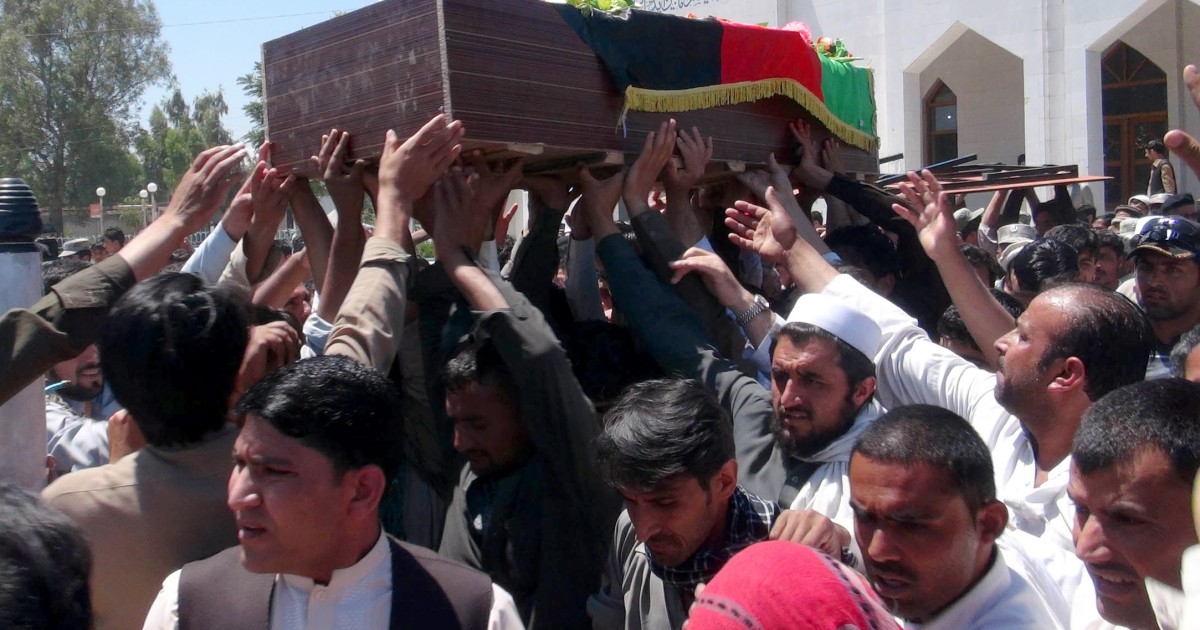
The human toll on the Pakistani military is staggering, though often understated in official press releases. For every thirteen militants killed, there are soldiers returning in caskets to villages across Punjab and Sindh. The fatigue is setting in. A professional army can only sustain this level of domestic counter-insurgency for so long before the strain begins to show in its broader strategic capabilities.
There is also the psychological cost to the nation. The constant drumbeat of "intelligence-based operations" and "terrorists neutralized" has led to a sense of national numbness. People have become accustomed to the violence, treating it as a permanent feature of the geography rather than a crisis that demands a fundamental shift in state policy.
Regional Complicity and Deniability
The diplomatic dance between Islamabad and Kabul has reached a stalemate. Pakistan demands action; Kabul offers platitudes. This friction is exactly what the militants want. As long as there is no unified front against these groups, they will continue to exploit the border as a tactical reset button.
The "Strategic Depth" policy of the past has come back to haunt the present. The very groups that were once seen as assets or manageable entities have evolved into an existential threat to the Pakistani state. Reversing this trend requires more than just military operations; it requires a total overhaul of the nation's security doctrine and a move away from using non-state actors as instruments of foreign policy.
The Next Phase of Conflict
As the snow melts in the high passes of the Hindu Kush, the fighting is expected to intensify. The elimination of thirteen militants is a tactical win, but the strategic tide is still pulling in the wrong direction. The insurgents are no longer hiding; they are challenging the state for the right to govern the lives of the people in the borderlands.
The government must decide if it is willing to commit the massive civilian resources required to truly "win" these areas back. This means more than just soldiers and checkpoints. it means judges, teachers, and engineers who stay, not just visit under armed escort. Without this, the thirteen dead fighters will simply be replaced by thirteen more, and the cycle of blood in Khyber Pakhtunkhwa will continue unabated. The time for celebrating body counts has passed. The time for a comprehensive, sustainable reconstruction of the border regions is decades overdue. The state must act before the border moves to the capital.