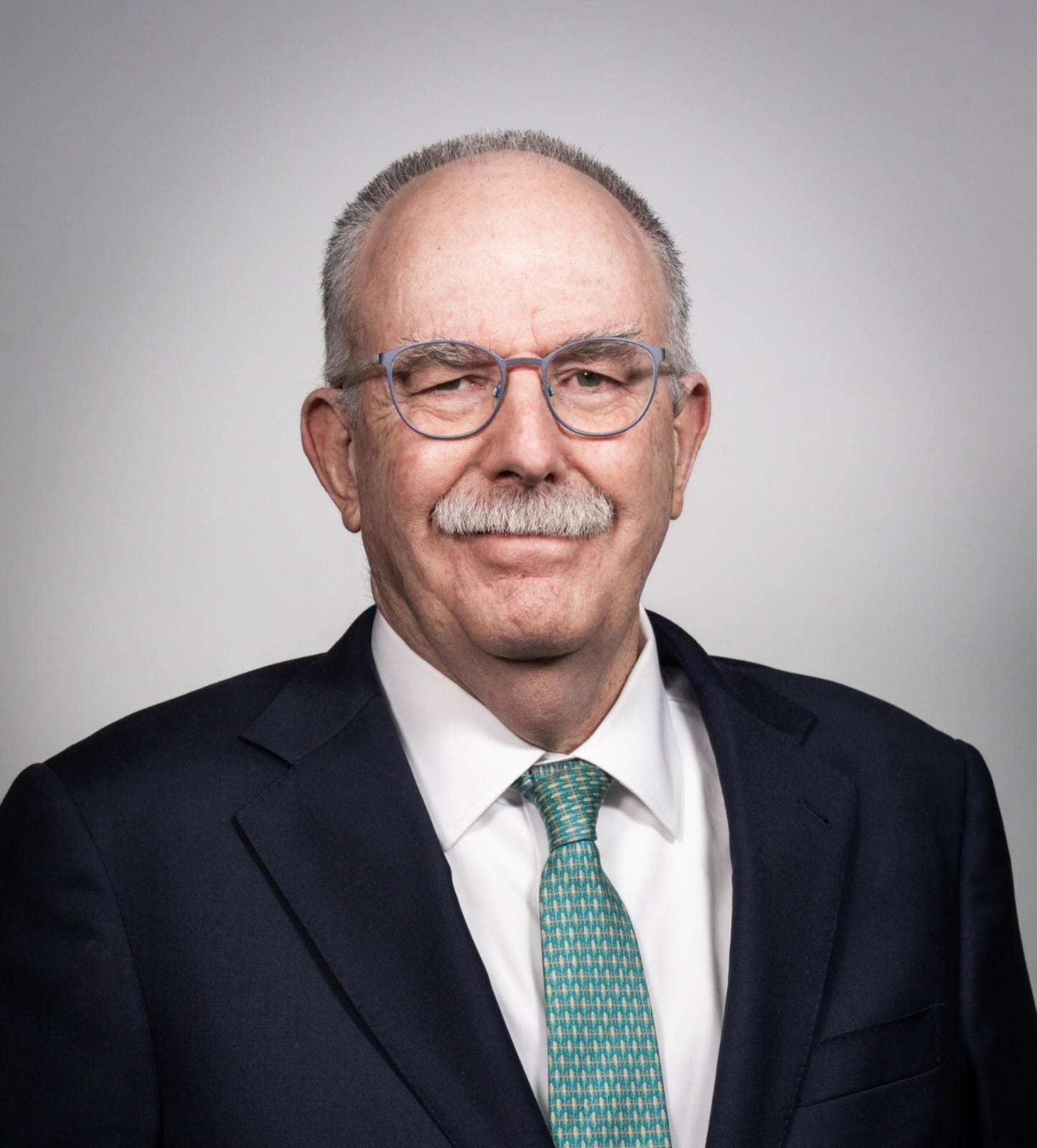
Justice just caught up with 25-year-old Bryan Christopher of El Cajon. He's going to federal prison for a decade. The U.S. Attorney’s Office for the Southern District of California confirmed the sentence recently, following a case that tracked a trail of exploitation from the suburbs of San Diego into Arizona. This wasn't a crime of passion. It was a calculated, predatory business.
The victim was a 15-year-old girl. Christopher didn't just hurt her; he commercialized her. He moved her across state lines, used digital platforms to advertise her, and pocketed the proceeds. When you look at the mechanics of this case, you see the blueprint of modern trafficking. It isn't always about dark alleys or kidnappings. Often, it's about grooming, manipulation, and the cold-blooded use of a minor as a revenue stream.
Ten years is a significant stretch, but for many, it feels like the bare minimum given the wreckage left behind. This case serves as a brutal reminder that trafficking isn't "somewhere else." It's happening in El Cajon. It's happening in Phoenix. It’s happening in the apps on your phone.
The mechanics of a cross state sex trafficking operation
Christopher’s operation relied on the interstate highway system and the anonymity of the internet. By moving the victim between California and Arizona, he attempted to stay ahead of local law enforcement. He was wrong. Federal investigators from Homeland Security Investigations (HSI) and the FBI often step in specifically because these crimes cross state boundaries.
The prosecution highlighted how Christopher used various websites to post "commercial sex advertisements." These sites are the digital storefronts for modern pimps. They provide a layer of insulation that older generations of traffickers didn't have. They can manage "bookings" from a laptop or a smartphone while the victim suffers the physical reality of the crime.
We have to stop thinking of traffickers as the movie version of villains. They often look like the guy next door. Christopher lived in El Cajon, a city of over 100,000 people. He wasn't some shadowy figure from a foreign cartel. He was a local resident. That proximity is exactly what makes grooming so effective. It starts with trust. It ends with a federal indictment.
Why 120 months is a message to other predators
Federal sentencing isn't like state court. There's no "good time" credit that lets you out after serving half your sentence. In the federal system, you do the vast majority of that time. Christopher’s 10-year term is a clear signal from the Department of Justice. They're trying to make the "cost of doing business" too high for traffickers to ignore.
During the sentencing, the court also ordered five years of supervised release. This means even after he leaves a cell in 2036, he’ll be under a microscope. He has to register as a sex offender. His internet usage will be monitored. His every move will be tracked by a probation officer. For a guy who used technology to exploit a child, this is a fitting, albeit delayed, consequence.
The reality is that trafficking cases are notoriously difficult to prosecute. Victims are often terrified. They’ve been brainwashed to believe the trafficker is their only friend or that the police will arrest them instead of the predator. Breaking that cycle of fear takes immense resources. The fact that the U.S. Attorney’s Office secured a guilty plea and a double-digit sentence shows that the evidence was overwhelming.
Red flags that communities in San Diego County often miss
If you live in El Cajon or the surrounding East County area, you might think you’re insulated from this. You're not. San Diego is a major hub for human trafficking because of its proximity to the border, its massive tourism industry, and its interconnected freeway system. Predators look for vulnerabilities. They look for kids who feel misunderstood at home or who are looking for a way to make "easy money."
Traffickers are masters of the "boyfriend loop." They start by showering a girl with attention, gifts, and promises of a better life. Once the emotional bond is tight, the demands start. First, it’s a "favor." Then it’s a "job." Before the victim realizes what’s happened, she’s in a hotel room in another state, and the "boyfriend" has turned into a boss.
- Sudden changes in possessions: If a teenager suddenly has high-end clothes, new hair extensions, or multiple phones without a job, ask questions.
- New "older friends": Traffickers often hang out near malls, bus stops, or schools. They’re looking for the kid standing alone.
- Coded language: Watch for mentions of "the track" or "dates" in text messages.
- Excessive travel: If someone is constantly "staying at a friend's house" but can't give a straight answer about where that is, it's a massive red flag.
How the legal system is shifting its focus toward the buyer
Prosecuting Christopher is only one half of the equation. For every Christopher, there are dozens of "buyers" who paid for access to that 15-year-old girl. Without the demand, the supply chain breaks. Law enforcement agencies are increasingly using "john stings" to target the men who fund this exploitation.
In the San Diego region, the Human Trafficking Task Force has been aggressive. They aren't just going after the pimps anymore. They're arresting the "respectable" businessmen, the fathers, and the neighbors who think buying sex is a victimless crime. It isn't. When the person on the other end of that transaction is a minor, it’s a felony that carries its own set of life-destroying consequences.
Christopher’s conviction is a win, but it’s a small one in a very long war. The victim in this case will spend the rest of her life dealing with the trauma of those weeks or months in California and Arizona. A decade in prison for the perpetrator doesn't erase that, but it does provide a sense of closure and safety for the community.
What you can actually do to help stop trafficking in your neighborhood
Don't just read the news and feel bad. Take actual steps. If you see something that looks wrong, report it. Don't worry about being "wrong." Law enforcement would rather investigate a false alarm than miss a chance to save a child.
Contact the National Human Trafficking Hotline at 1-888-373-7888 or text "HELP" to 233733. Keep that number in your phone. If you see a young person at a gas station or hotel who looks coached, avoids eye contact, or seems under the control of an older individual, make the call.
Educate the young people in your life about digital safety. Traffickers don't need to be on the street corner when they can be in your child's DMs. Explain that anyone asking for provocative photos or offering money for "modeling" is a predator. Honest conversations are the best defense we have against guys like Bryan Christopher.
Stop assuming trafficking only happens in big cities or overseas. El Cajon is a beautiful place, but it has shadows just like anywhere else. By staying vocal, staying observant, and supporting local organizations like the San Diego County Human Trafficking Task Force, we make those shadows a little smaller.
Support local shelters and advocacy groups that provide specialized housing for trafficking survivors. These kids need more than just a bed; they need intensive therapy, legal help, and a path back to a normal life. Justice isn't just about the 10 years a judge handed down in a federal courtroom. It's about what happens to the survivor after the handcuffs click shut.